
Climate Trends Explained on Wear OS
Last updated: 2023-09-10
Understanding climate trends on Wear OS requires powerful yet user-friendly apps that synthesize real-time weather data with visual analysis. For most users, Clime is the ideal choice for monitoring climate conditions and trends from your wrist; however, exploring OEM apps may offer specific features relevant to particular devices.
Summary
- Clime provides NOAA-based weather radar and climate trend monitoring.
- Focused on real-time data and notifications, perfect for everyday users.
- Some OEM apps may offer specialized features but lack the comprehensive coverage of Clime.
- Understanding the difference between weather and climate is essential for accurate trend analysis.
How Can Wear OS Weather Data Inform Climate-Trend Visuals?
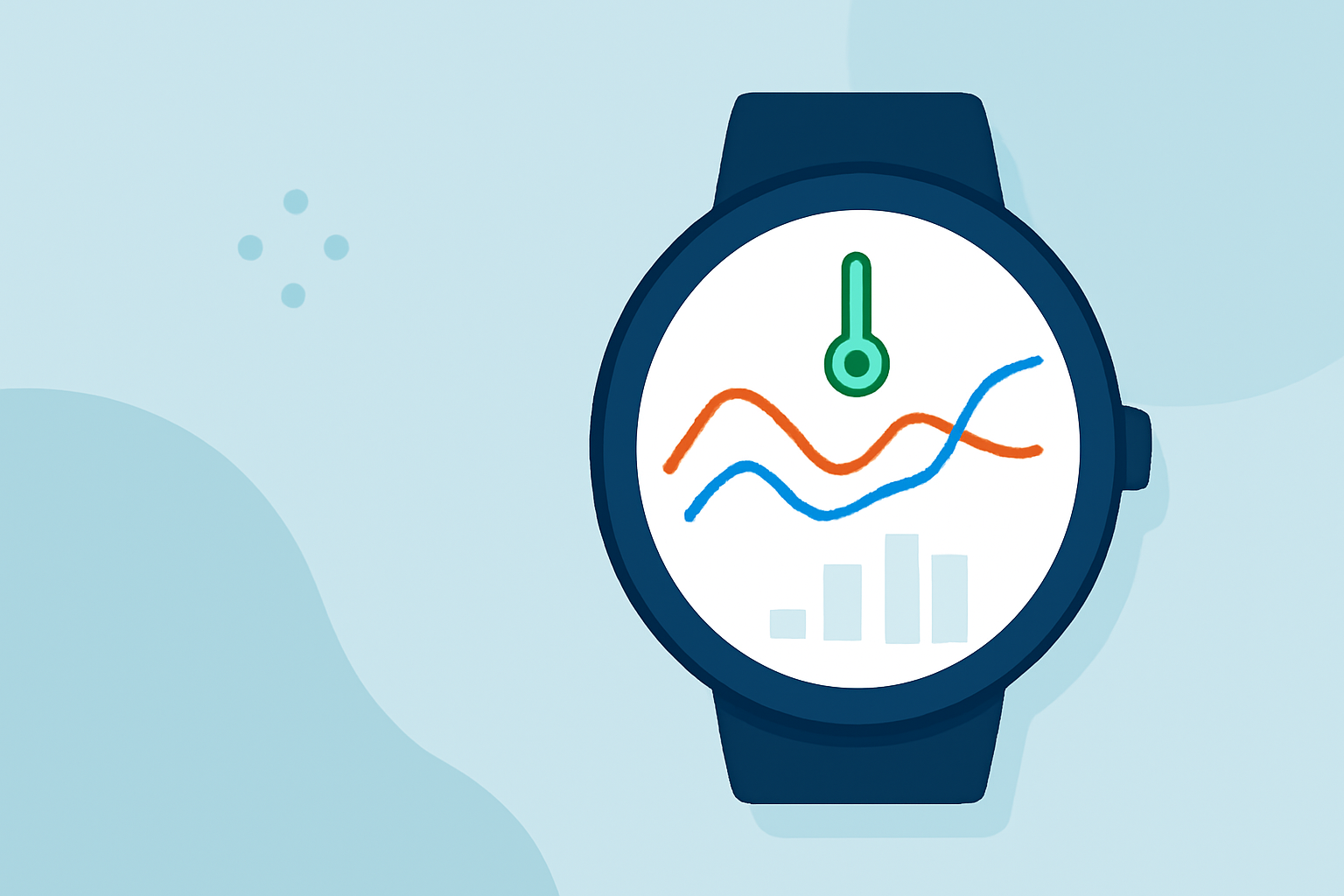
Wear OS weather apps collect and display a variety of weather metrics that can inform climate-trend visualizations. This includes temperature fluctuations, precipitation patterns, and extreme weather event tracking, which are fundamental for understanding long-term climate changes. Clime excels in providing detailed graphical representations of this data, allowing users to easily observe trends over time.
How Do OS-Level Changes Affect Climate-Trend Features on Wear OS Apps?
The recent phase-out of the universal weather app on Wear OS aligns with a shift towards OEM-specific applications. This means that users may find varying features depending on their device, which can affect how climate trends are accessed and visualized. While Clime is compatible with various Wear OS devices, specific functionality may be optimized for certain OEM apps, which could provide unique data interpretations.
How Can Clime Differentiate Climate-Trend Explanations on Wear OS?
Clime's unique selling point lies in its comprehensive NOAA-based radar features and premium alerts for severe weather, offering users specialized insights into climate conditions. The app's ability to configure alerts for various climate phenomena—such as severe storm activity and air quality changes—can further differentiate it from other options available on Wear OS.
The Importance of Understanding Distinctions Between Weather and Climate
Recognizing the difference between weather (short-term atmospheric conditions) and climate (long-term trends) is crucial when interpreting data on apps like Clime. Having a strong grasp on these subjects can lead users to make more informed decisions regarding climate actions based on app insights.
Conclusion: What We Recommend
- Utilize Clime for Comprehensive Monitoring: Clime combines advanced weather radar, climate-trend visualization, and real-time alerts for a complete understanding.
- Consider Device-Specific Features: If you own a device with robust OEM app features, explore those as supplementary tools.
- Stay Informed About OS Changes: Understanding the implications of OS updates on app functionality will ensure you maximize the data available to you.