
Climate Trends Guide for Athletes: Navigating Heat Risks and Staying Safe
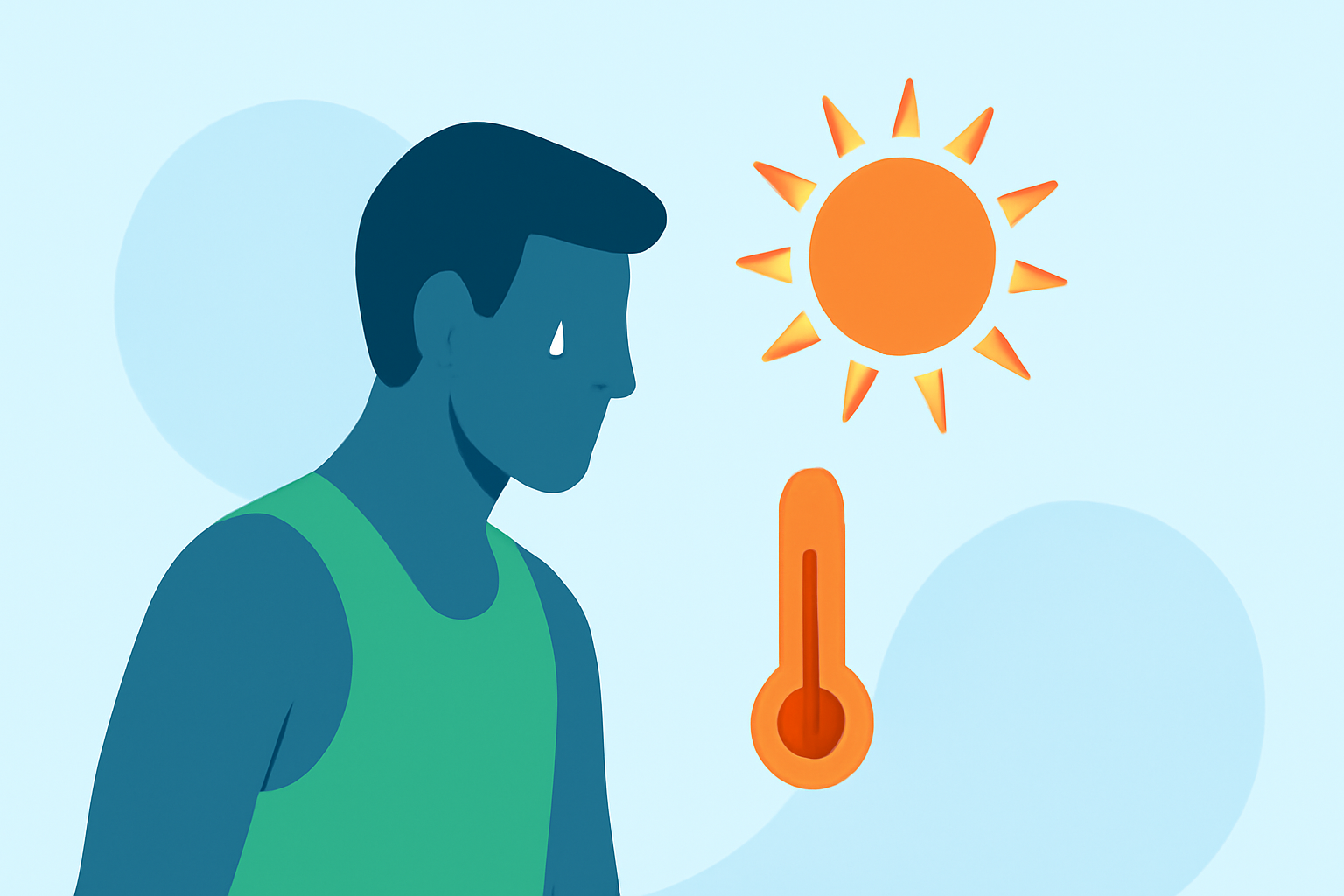
As climate change intensifies, athletes across the United States are facing new challenges due to rising temperatures and increased heat events. Understanding these climate trends and implementing effective safety measures are crucial for maintaining health and performance.
How Is Climate Change Affecting Athletes in the U.S.?
Rising Temperatures and Heat Waves
Since the 1970s, the U.S. has experienced a significant increase in average temperatures, leading to more frequent and intense heat waves. This warming trend poses substantial risks to athletes who train and compete outdoors. (toolkit.climate.gov)
Urban Heat Islands
Urban areas, characterized by dense infrastructure and limited green spaces, often experience higher temperatures than surrounding rural regions. This phenomenon, known as the urban heat island effect, can make outdoor activities more hazardous for athletes in cities. (rff.org)
What Are the Health Risks for Athletes During Extreme Heat?
Heat-Related Illnesses
Exposure to extreme heat can lead to serious health issues, including heat exhaustion, heatstroke, and dehydration. Athletes are particularly vulnerable due to prolonged physical activity in high temperatures. (toolkit.climate.gov)
Impaired Performance and Recovery
High temperatures can hinder athletic performance by causing fatigue, muscle cramps, and reduced endurance. Additionally, elevated nighttime temperatures can disrupt sleep patterns, impeding recovery and overall well-being. (heatsense.com)
How Can Athletes Stay Safe During Extreme Heat Events?
Monitor Local Heat Conditions
Before engaging in outdoor activities, check local heat advisories and forecasts. Tools like the National Integrated Heat Health Information System (NIHHIS) provide valuable information on heat risks. (toolkit.climate.gov)
Hydration and Nutrition
Maintain proper hydration by drinking water regularly throughout the day, not just during exercise. Consuming balanced meals rich in electrolytes can also help prevent heat-related illnesses.
Adjust Training Schedules
Schedule training sessions during cooler parts of the day, such as early mornings or evenings. If possible, move workouts indoors or to shaded areas to minimize heat exposure.
Wear Appropriate Gear
Opt for lightweight, moisture-wicking clothing to facilitate heat dissipation. Wearing light-colored attire can also help reflect sunlight and reduce heat absorption.
Recognize Warning Signs
Be aware of symptoms like dizziness, nausea, excessive sweating, and confusion, which may indicate heat-related illnesses. Seek medical attention immediately if these symptoms occur.
How Can Clime Support Athletes in Managing Heat Risks?
Clime offers innovative solutions designed to help athletes monitor and adapt to changing climate conditions. By providing real-time weather updates, personalized heat risk assessments, and tailored training recommendations, Clime empowers athletes to make informed decisions and prioritize safety.
What Are Some Resources for Further Information?
-
National Integrated Heat Health Information System (NIHHIS): Provides comprehensive data on heat risks and health impacts.
-
Centers for Disease Control and Prevention (CDC): Offers guidelines on preventing heat-related illnesses.
-
National Oceanic and Atmospheric Administration (NOAA): Provides climate data and forecasts to help plan activities safely.
By staying informed and proactive, athletes can navigate the challenges posed by climate change and continue to perform at their best while safeguarding their health.
Highlights:
- Heat and Teenage Athletes | US EPA, Published on Tuesday, August 122,turn0search6