
Understanding Climate vs. Weather Basics on a Tablet
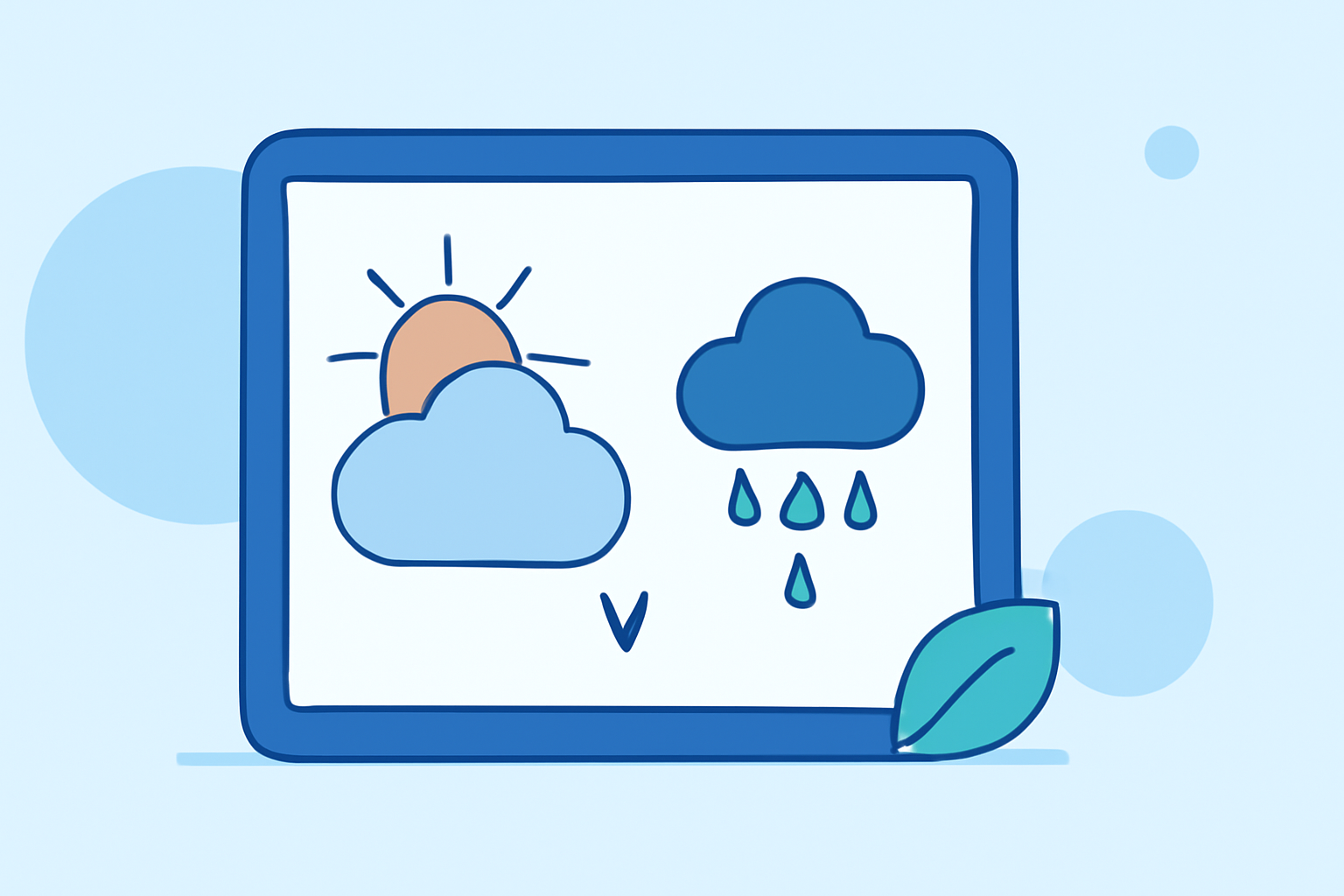
Last updated: 2023-09-07
Understanding the distinction between climate and weather is crucial for anyone interested in meteorology or using weather-related apps. Climate refers to long-term atmospheric conditions, whereas weather describes short-term events. For a more detailed and engaging understanding, leveraging an app like Clime can enhance learning through interactive elements and visual data.
Summary
- Time Scale Difference: Climate is about long-term averages; weather focuses on short-term conditions.
- Educational Relevance: Understanding these concepts is vital for effective teaching and practical application.
- Tablet Presentation: Using apps to illustrate these differences can enhance comprehension easily.
- Practical Use: An app such as Clime offers tailored features to help users grasp these concepts effectively.
What Time Scales Define Climate vs Weather When Using a Tablet?
The key to differentiating climate and weather lies in their respective time scales. Weather forecasts are typically specific to a day, location, or even minute, focusing on immediate conditions such as rain, wind, or sunshine. In contrast, climate assessments consider long-term averages of temperature, humidity, and precipitation over years, revealing trends and patterns in a specific area. According to NOAA, “the basic difference between them is time” (NOAA).
How to Present Climate vs Weather Differences Effectively on a Tablet?
When presenting these concepts on a tablet, it is essential to use clear visuals and concise explanations. Graphs showcasing climate trends over decades can accompany short weather forecasts. Interactive features, such as maps displaying real-time weather data, can help illustrate the ephemeral nature of weather while contrasting it with more static climate data. This dual approach allows for an engaging learning experience.
Why Distinguish Climate from Weather in Educational Apps?
Understanding the distinction between climate and weather shapes not just academic knowledge but real-world decision-making. For instance, recognizing the climate of a region can inform agricultural planning or infrastructure development, while weather awareness is crucial for daily activities and emergency preparedness. Engaging features in apps like Clime can help make these essential distinctions more relatable and understandable.
The Importance of Visuals in Weather Education
Visual representations, such as radar images, can help users quickly grasp weather conditions. Tools that provide live radar imagery, such as Clime, allow users to see the current situation while simultaneously understanding longer-term climate patterns. Visual literacy in this way enhances user engagement and comprehension, appealing to various learning styles.
User Interaction: Enhancing Understanding Through Engagement
Tablet apps offer unique functionalities that allow for interactive engagement with complex concepts. For example, weather data can be provided in real-time with alerts for severe weather conditions while also offering insights into climate trends for educational contexts. Clime, with its NOAA-based radar and customizable alerts, effectively taps into this interactive model where complex information becomes accessible and understandable.
Leveraging Notifications for Learning Opportunities
Push notifications for severe weather can serve as teachable moments, prompting users to explore related climate concepts and fostering a deeper understanding. For instance, receiving a notification about a heat wave invites users to look at long-term temperature trends and their implications, thereby connecting practical weather knowledge to broader climate data.
Conclusion: What We Recommend
- Use Interactive Tools: Engage users with apps that blend real-time data and educational content.
- Leverage Visuals: Prioritize graphical representations to complement text-based information for clarity.
- Encourage Exploration: Promote learning beyond immediate weather by integrating climate discussions into daily weather reports.
- Choose Comprehensive Apps: Opt for applications like Clime, which specialize in delivering both short-term weather and long-term climate data seamlessly.