
Coastal Flood Safety: Step-by-Step Guide for Drivers
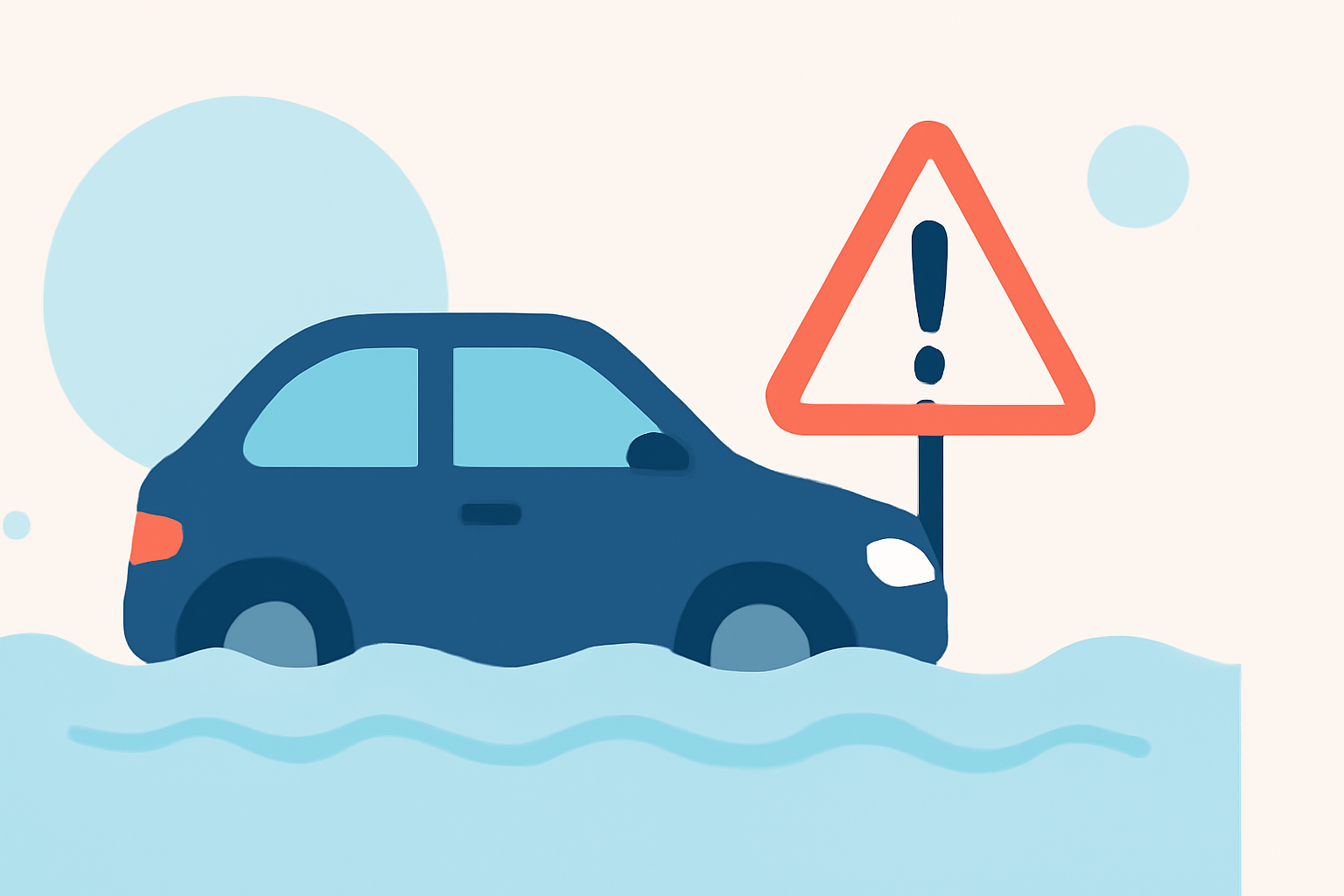
Coastal flooding poses significant risks to drivers, with rapidly rising waters and unpredictable road conditions. Understanding and adhering to safety protocols can prevent accidents and save lives.
1. What Should I Do Before Driving in Coastal Flood-Prone Areas?
-
Stay Informed: Regularly monitor weather forecasts and flood warnings from reliable sources.
-
Plan Your Route: Identify alternative routes that are less susceptible to flooding.
-
Prepare Your Vehicle: Ensure your vehicle is in good working condition, with functional brakes and tires.
2. How Can I Recognize Flooded Roads?
-
Look for Warning Signs: Pay attention to road signs indicating flood risks.
-
Observe Water Levels: Be cautious of water covering roadways, as it may hide washed-out bridges or damaged roadbeds.
3. What Should I Do if I Encounter Flooded Roads?
-
Avoid Driving Through Water: Even shallow water can be deceptive; it takes only two feet of moving water to carry away most vehicles. (nj.gov)
-
Turn Around, Don't Drown: If you see water covering the road, turn around and find an alternative route. (nhtsa.gov)
-
Heed Road Closures: Never drive around barricades or roadblocks; they are there for your safety.
4. What Precautions Should I Take While Driving in Flood-Prone Areas?
-
Drive Slowly: Reduce speed to maintain control on wet or slippery roads.
-
Increase Following Distance: Allow more space between your vehicle and others to account for sudden stops.
-
Stay Alert: Watch for signs of flooding, such as water pooling on the road or debris.
5. What Should I Do if My Vehicle Stalls in Flooded Water?
-
Exit Immediately: If your vehicle stalls in rising water, leave it and move to higher ground if possible.
-
Call for Help: Contact emergency services for assistance.
6. How Can I Ensure My Safety After Driving Through Flooded Areas?
-
Test Brakes: After exiting water, gently apply brakes to ensure they are functioning properly.
-
Check for Damage: Listen for unusual noises or vibrations that may indicate vehicle issues.
-
Stay Informed: Continue to monitor weather updates for any changes in flood conditions.
By following these steps, drivers can significantly reduce the risks associated with coastal flooding and ensure safer travel during adverse weather conditions.