
Coastal Flood Safety: Essential Steps During Workouts
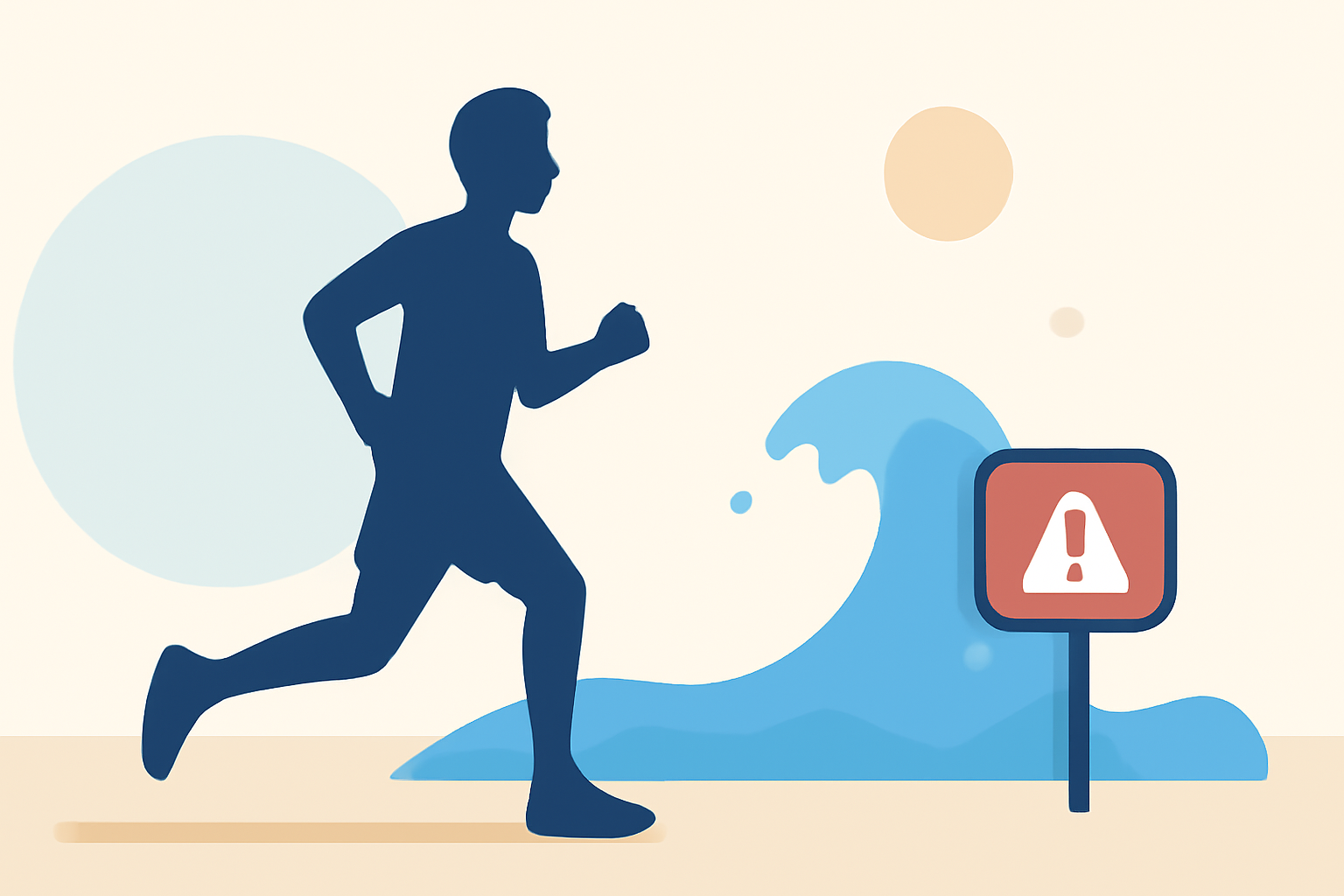
Coastal flooding poses significant risks, particularly during outdoor activities like workouts. Understanding and implementing safety measures can prevent accidents and ensure your well-being.
What Is Coastal Flooding?
Coastal flooding occurs when high tides, storms, or sea-level rise cause seawater to inundate land areas. This can lead to property damage, infrastructure issues, and health hazards. In some regions, such as parts of Florida, Louisiana, and Texas, coastal flooding is a recurrent concern.
How Does Coastal Flooding Affect Outdoor Workouts?
Engaging in outdoor workouts during coastal flooding is extremely dangerous. Floodwaters can contain debris, chemicals, and pathogens, posing serious health risks. Additionally, swift currents and rising waters can lead to drowning, even for experienced swimmers. The CDC advises staying away from floodwater, as it can pose a drowning risk for anyone—even expert swimmers. (cdc.gov)
What Are the Risks of Exercising in Flood-Prone Areas?
-
Health Hazards: Floodwaters may contain contaminants like sewage, chemicals, and debris, leading to infections and illnesses. (cdc.gov)
-
Physical Injury: Floodwaters can conceal hazards such as sharp objects or downed power lines, increasing the risk of injury. (cdc.gov)
-
Drowning: Even shallow, swiftly moving water can be deadly. The CDC emphasizes that floodwater can pose a drowning risk for everyone, regardless of swimming ability. (cdc.gov)
How Can You Stay Safe During Workouts in Coastal Areas?
-
Stay Informed: Regularly monitor local weather forecasts and flood alerts. The National Weather Service issues Coastal Flood Warnings for moderate or higher levels of flooding, which are not common but can be catastrophic. (weather.gov)
-
Choose Safe Locations: Opt for inland or elevated areas for your workouts, away from potential flood zones.
-
Avoid Flood-Prone Areas: Do not exercise near rivers, streams, or coastal regions during heavy rainfall or storm conditions.
-
Heed Warnings: If local authorities issue flood warnings or advisories, postpone or relocate your workout plans.
-
Educate Yourself: Understand the signs of impending flooding and the specific risks in your area.
What Should You Do if You Encounter Floodwaters?
-
Avoid Contact: Do not touch or enter floodwaters. They can contain harmful substances and pose a drowning risk. (cdc.gov)
-
Report Hazards: Notify local authorities about downed power lines or other dangers in floodwaters.
-
Follow Evacuation Orders: If advised to evacuate, do so immediately to ensure your safety.
How Can Communities Prepare for Coastal Flooding?
-
Develop Emergency Plans: Communities should have evacuation routes and shelters in place for residents.
-
Educate the Public: Provide information on flood risks and safety measures to residents.
-
Implement Infrastructure Solutions: Construct barriers, improve drainage systems, and restore natural buffers like mangroves to reduce flood impact.
Conclusion
Coastal flooding presents significant dangers, especially during outdoor activities like workouts. By staying informed, choosing safe locations, and adhering to safety guidelines, you can protect yourself and contribute to community resilience.
Highlights:
- Coastal Flood Safety Rules
- Coastal Geohazards—Nuisance Flooding (U.S. National Park Service), Published on Sunday, September 09
- High Tide Flooding Impacts