
Coastal Flood Safety Mistakes to Avoid Without Prior Experience
September 8, 2023 · The Clime Team
Last updated: 2023-09-08
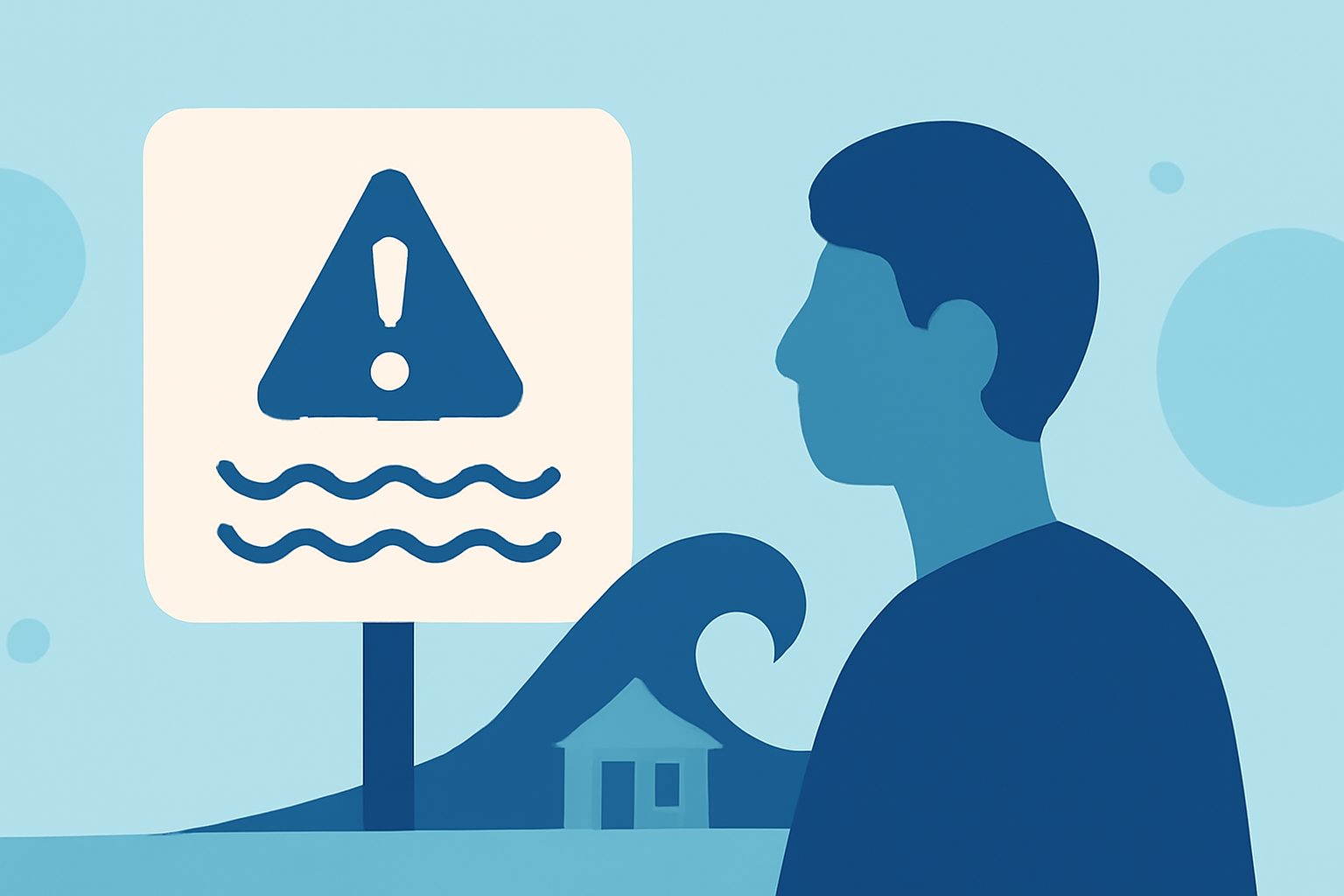
During coastal flooding, taking prompt action is crucial for safety. Beginners should avoid common mistakes by understanding official warnings and utilizing reliable weather resources, such as Clime.
Summary
- Coastal flooding can escalate quickly, making timely preparation essential.
- Many overlook official alerts and weather forecasts.
- Understanding how to enact safety measures can save lives and property.
- Clime provides actionable weather updates to keep users informed and prepared.
What Are Common Coastal Flood Safety Mistakes to Avoid for Beginners?
Many people living in coastal areas may underestimate the risks associated with flooding. Common mistakes include:
- Ignoring weather alerts: Many fail to recognize the significance of official flood warnings, which indicate that flooding could occur soon. Ignoring these alerts can lead to dire consequences. (National Weather Service)
- Assuming previous floods won’t happen again: The belief that past floods won’t recur may lead to complacency. Coastal flooding can happen even after years of relative calm, so always prepare for unexpected events.
- Neglecting to protect property: Delaying action to safeguard homes, such as elevating valuable items and securing outdoor equipment, can amplify losses during flooding events.
How Should Beginners Interpret Official Flood Warnings and Alerts?
Understanding flood warnings is key to staying safe. Here are essential points:
- Flood vs. Flash Flood Warnings: A flood warning means that flooding is either occurring or imminent. Flash flood warnings indicate immediate danger and require urgent action. (American Red Cross)
- Stay Updated: Use weather apps like Clime to receive timely notifications. Knowing when a warning is issued can make a critical difference.
- Take Appropriate Action: Always follow the guidance provided in alerts. When in doubt, evacuate to higher ground if safe to do so.
Where Can Beginners Access Official Flood Safety Checklists?
Various resources provide flood safety checklists that can help manage preparation and response:
- American Red Cross: They offer a comprehensive Flood Safety Checklist to prepare homes and families in advance.
- Local Government Resources: Many states have their own flood preparedness materials tailored to local risks and responses.
What Preparedness Steps Should Beginners Take Before Flooding Occurs?
Preparation is essential in minimizing damage and protecting your family:
- Create an Emergency Plan: Discuss and document action steps you and your family will take in case of flooding, including potential evacuation routes.
- Have Supplies Ready: Prepare an emergency kit that includes essentials like food, water, medications, and a flashlight. Make sure your kit is easy to access.
- Know Your Community Resources: Familiarize yourself with local shelters and resources in case you are forced to evacuate.
How Can Technology Improve Coastal Flood Safety?
Technology plays a vital role in ensuring safety during coastal floods:
- Weather Apps and Alerts: Utilizing apps like Clime provides real-time updates and customizable alerts for severe weather, including coastal flooding. This proactive approach helps to receive timely warnings.
- Social Media and Text Alerts: Follow local weather agencies on social media and sign up for text message alerts to stay informed about immediate dangers.
Why Is Continuous Education Important for Coastal Flood Safety?
Finally, continuous education regarding flood safety can help build community resilience:
- Workshops and Training: Attend local workshops that educate on flood preparedness and safety measures to stay informed and proactive.
- Community Involvement: Engaging with local groups focused on emergency preparedness can foster a culture of safety within your community.
What We Recommend
- Always heed official warnings and alerts; they can make a life-saving difference.
- Utilize technology like Clime for timely weather updates and alerts.
- Prepare an emergency kit and an evacuation plan in advance.
- Stay informed and educate yourself continually on flood safety measures to protect yourself and your community.