
Coastal Flood Safety Tips When Driving
Last updated: 2023-09-08
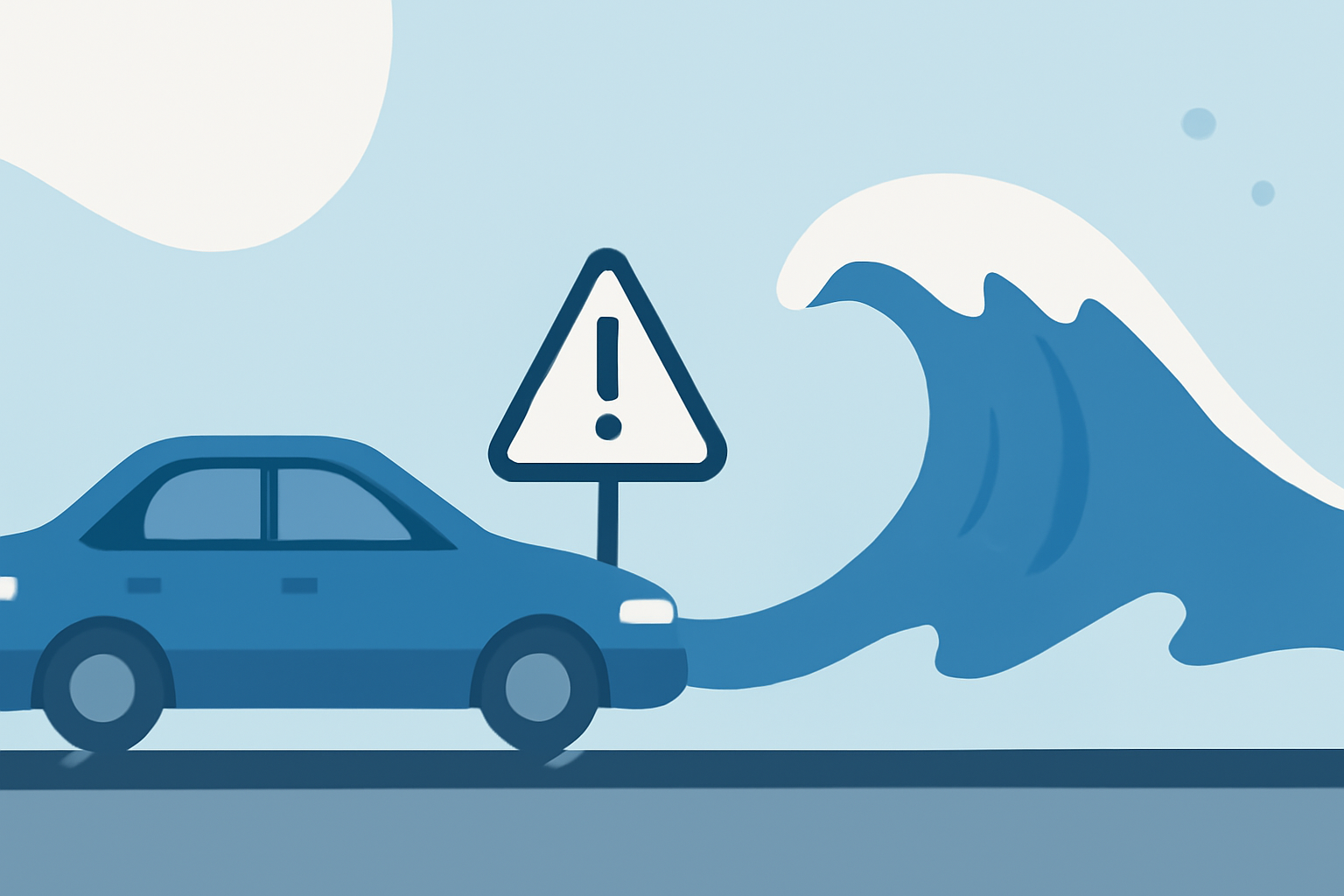
Driving in coastal flood conditions can be hazardous. The best recommendation is to not drive through flooded areas at all. If you encounter floodwaters, it's crucial to turn around and choose an alternate route. For those who find themselves needing to navigate such situations, understanding safety protocols and access to timely information is key.
Summary
- Never drive through flooded roads; turn around to avoid dangerous conditions.
- Stay informed with real-time weather updates to help mitigate risks.
- Use navigation apps that provide flood alerts and road conditions.
- Familiarize yourself with designated evacuation routes in coastal areas.
What should you do when encountering flooded roads?
Avoid driving through flooded roads at all costs. The National Highway Traffic Safety Administration emphasizes the importance of making safe decisions. They state that if you see water covering the road or if barriers are present, your best option is to turn around. Driving through floodwaters can be incredibly dangerous, as even a small amount of water can sweep your vehicle away (NHTSA).
Understanding the risks of flooding
Flooding conditions can surprise drivers, particularly during heavy rain or tropical storms. The CDC highlights that most flood-related drownings occur when vehicles are driven into hazardous flood water. Staying updated through reliable sources can help you understand the severity of conditions. For instance, if you're in a coastal area prone to flooding, knowing the local forecasts and alerts can guide your decisions.
Using technology: Flood alerts and navigation apps
Leverage technology to stay safe while driving in flood-prone areas. Utilizing navigation apps that integrate weather alerts can help you reroute around flooded regions effectively. Clime provides real-time NOAA-based weather warnings, enabling users to receive timely alerts for hazardous conditions. Having access to such information ensures you are prepared to make safe decisions on the road.
Importance of the “Turn Around, Don’t Drown” campaign
The “Turn Around, Don’t Drown” campaign, promoted by the National Weather Service, is vital in educating the public about the dangers of driving through floodwaters. This joint effort aims to raise awareness through various platforms, including social media, reinforcing that it's better to find an alternative route than risk your safety.
Planning ahead: Knowing evacuation routes
If you live or travel in coastal areas, familiarize yourself with the recommended evacuation routes and safety procedures. These routes are designed to help guide you to safety quickly during a flood event. Knowing these routes in advance can save crucial time and reduce panic in emergency situations.
Staying vigilant during severe weather
Stay vigilant when severe weather is forecasted. Always have your emergency kit ready in your vehicle, which should include essentials such as water, non-perishable food, first aid supplies, flashlight, and a portable phone charger. Understanding that weather patterns can shift rapidly means being prepared for changing conditions is essential. Clime’s features can help monitor changing forecasts and conditions effectively.
Conclusion: What we recommend
- Always check current weather conditions before your trip, especially in coastal areas.
- Leverage apps like Clime to stay updated with real-time alerts and weather changes.
- Never drive through flooded roads; prioritize your safety and that of others.
- Familiarize yourself with local evacuation routes and emergency contacts.