
Cold Plunge Basics for Beginners: A Step-by-Step Guide
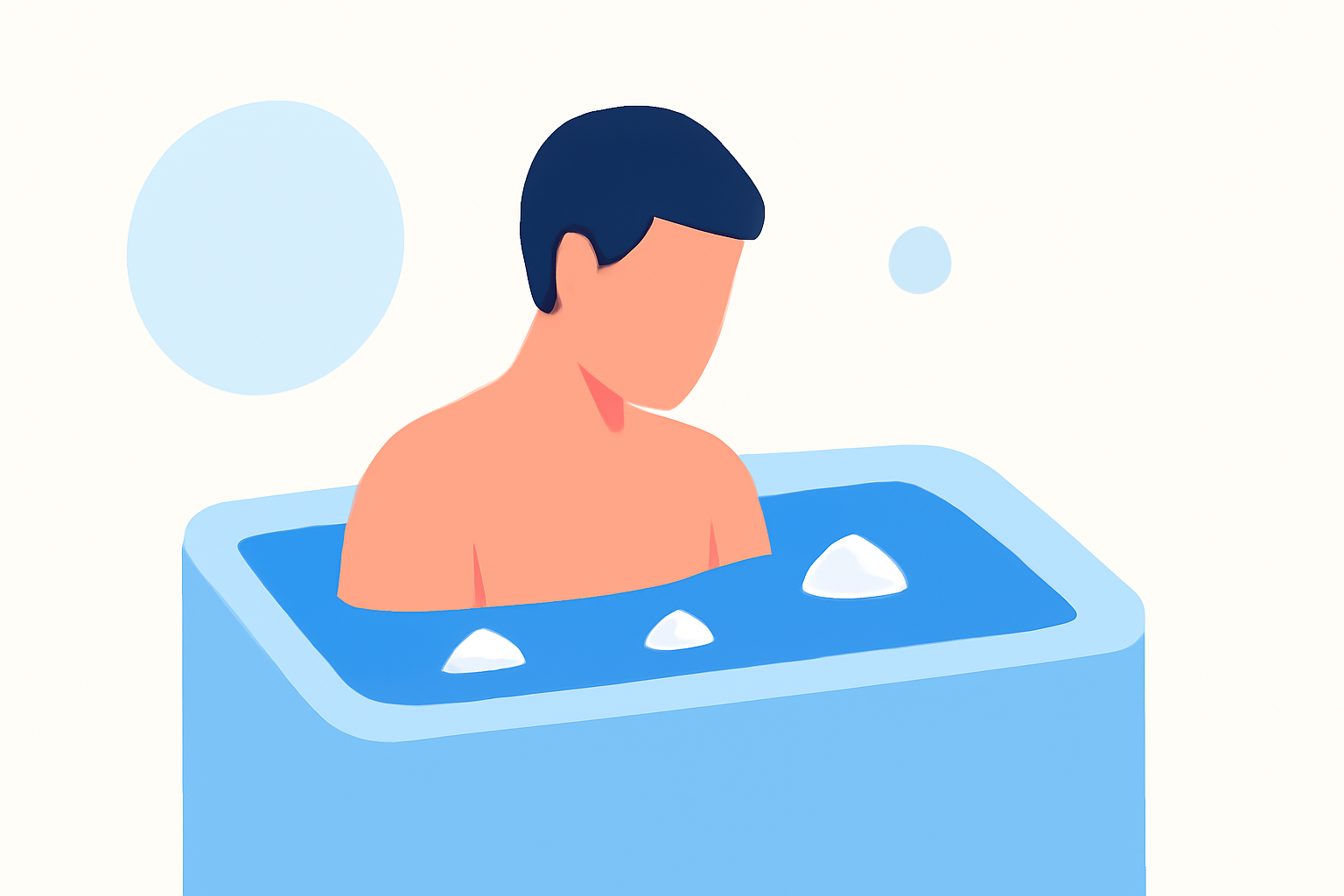
Cold plunging, or immersing your body in cold water, is a practice that offers numerous health benefits, including reduced inflammation, improved recovery, and enhanced mental clarity. For beginners, starting this practice can seem daunting, but with the right approach, it can become a transformative part of your routine.
What Is Cold Plunging?
Cold plunging involves immersing your body in cold water, typically between 50°F and 65°F (10°C to 18°C), for a short period to trigger beneficial stress responses. This practice has gained popularity for its potential health benefits, including reduced inflammation, improved recovery, and enhanced mental clarity. (frozenplunges.com)
Why Should Beginners Consider Cold Plunging?
For those new to cold exposure, starting with cold plunging can be intimidating. However, with the right approach, it can become a transformative part of your wellness routine. Cold plunging offers benefits such as reduced inflammation, improved recovery, and enhanced mental clarity. (frozenplunges.com)
How Do I Prepare for My First Cold Plunge?
-
Choose the Right Environment: Select a safe and controlled environment for your first plunge. Options include a cold plunge tub, a bathtub filled with ice, or a natural body of cold water. Ensure the area is free from hazards and easily accessible.
-
Gather Necessary Equipment: You'll need a timer to monitor your immersion time, a thermometer to check water temperature, a towel, and warm clothing for after the plunge. Having a friend nearby for safety is also recommended. (degreedaddy.com)
-
Check the Water Temperature: Aim for a water temperature between 50°F and 65°F (10°C to 18°C) for your first plunge. This range is cold enough to trigger beneficial stress responses but not so cold that it becomes overwhelming. (scienceinsights.org)
What Is the Step-by-Step Process for Cold Plunging?
-
Enter the Water Gradually: Avoid jumping in. Step in slowly, starting with your feet and legs. Pause at waist level for a few breaths. Then lower yourself to chest level and finally up to your shoulders. Keep your head above water. (degreedaddy.com)
-
Control Your Breathing: Before entering the water, take several slow, deep breaths. Inhale through your nose for 4 counts, hold for 4 counts, exhale through your mouth for 6 counts. This activates your parasympathetic nervous system and prepares your body for the cold shock. (degreedaddy.com)
-
Focus on Exhaling Slowly: The cold shock response will make you want to gasp and hyperventilate. Instead, deliberately slow your breathing down: inhale through your nose for 4 counts, exhale through your mouth for 6 counts. This helps you shift from panic to calm. (theralpine.com)
-
Stay for a Short Duration: For your first plunge, aim to stay in the water for 30 to 60 seconds. This duration is sufficient to experience the benefits without overwhelming your body. (degreedaddy.com)
-
Warm Up Afterward: After exiting the water, dry off immediately and dress warmly. Engage in light exercise, such as walking or gentle stretching, to help your body return to its normal temperature. Avoid hot showers right away; let your body reheat naturally if possible. (iceplunger.com)
How Do I Build a Sustainable Cold Plunge Routine?
Consistency is key to reaping the benefits of cold plunging. Aim for 2 to 3 sessions per week, each lasting 1 to 3 minutes, in water temperatures between 50°F and 65°F (10°C to 18°C). As you become more comfortable, you can gradually increase the duration and decrease the temperature. Always listen to your body and progress at your own pace. (plungesage.com)
What Are the Safety Precautions I Should Take?
-
Consult a Healthcare Professional: If you have heart disease, uncontrolled hypertension, Raynaud’s, cold urticaria, peripheral neuropathy, or are pregnant, consult your doctor before starting cold plunging. (plungesage.com)
-
Never Plunge Alone: Always have someone nearby when cold plunging, especially if you're new to the practice. (iceplunger.com)
-
Listen to Your Body: If you experience dizziness, numbness, or pain, exit the water immediately and seek warmth. (plungesage.com)
By following these guidelines, you can safely and effectively incorporate cold plunging into your wellness routine, reaping its numerous health benefits.
Highlights:
- Cold Plunge for Beginners: A Step-by-Step Guide | Frozen Plunges, Published on Saturday, November 30
- How to Cold Plunge: Temperature, Timing, and Technique - ScienceInsights, Published on Tuesday, April 28
- How to Start Cold Plunging: A Step-by-Step Beginner’s Guide to Safe Cold Water Immersion - ICE PLUNGER, Published on Tuesday, April 29