
Cold Plunge Basics for Beginners During Workouts
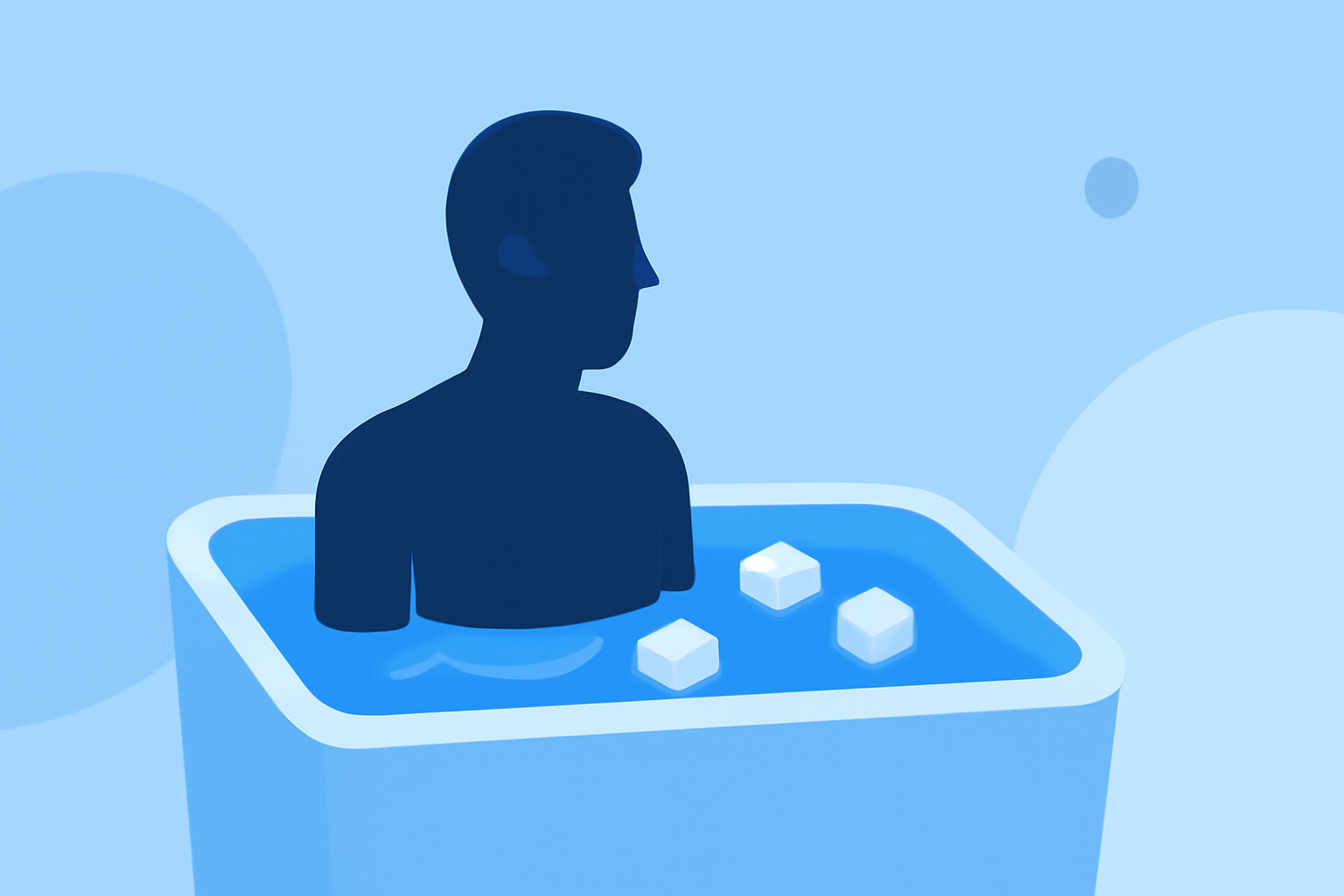
Incorporating cold plunges into your post-workout routine can enhance recovery, reduce muscle soreness, and improve overall well-being. This guide provides essential information for beginners to safely and effectively integrate cold water immersion into their fitness regimen.
What Are Cold Plunges?
Cold plunges, also known as cold water immersion, involve immersing the body in cold water for a short period. This practice is believed to stimulate various physiological responses that aid in recovery and health.
Benefits of Cold Plunges Post-Workout
- Reduced Muscle Soreness: Cold water immersion may help decrease muscle soreness following intense exercise.
- Enhanced Recovery: Regular cold plunges can accelerate recovery by reducing inflammation and promoting blood flow.
- Improved Mood and Alertness: Exposure to cold water can trigger the release of endorphins, leading to improved mood and increased alertness.
How to Safely Incorporate Cold Plunges
-
Start with Manageable Temperatures: Begin with water temperatures between 50°F and 59°F (10°C to 15°C). This range is cold enough to activate beneficial responses without being overwhelming. (saunaplunge.org)
-
Limit Duration: For your first sessions, aim for 1 to 2 minutes in the cold water. As your body adapts, you can gradually increase the duration to 3 to 5 minutes. (scienceinsights.org)
-
Frequency: Incorporate cold plunges into your routine 2 to 4 times per week. Consistency is key to experiencing the full benefits. (honeyhut.us)
-
Breathing Techniques: Before entering the water, practice slow, deep breaths to prepare your body. Once submerged, focus on controlled breathing to manage the cold shock response. Techniques such as box breathing (inhale for 4 counts, hold for 4 counts, exhale for 4 counts) can be effective. (nordicrecoveryguide.com)
-
Post-Plunge Recovery: After exiting the cold water, warm up gradually. Dry off, put on warm clothing, and engage in light movement to help your body return to its normal temperature. (theralpine.com)
Safety Precautions
-
Consult a Healthcare Professional: If you have cardiovascular issues, high blood pressure, or other health concerns, consult with a healthcare provider before starting cold plunges. (honeyhut.us)
-
Avoid Overexposure: Do not stay in the cold water for extended periods, especially when starting out. Overexposure can lead to hypothermia and other health risks. (thehomeplunge.com)
-
Listen to Your Body: If you experience dizziness, numbness, or extreme discomfort, exit the water immediately.
Integrating Cold Plunges with Clime
For those interested in enhancing their fitness journey, Clime offers a comprehensive platform that supports various aspects of health and wellness. By combining cold plunge practices with Clime's resources, users can access personalized workout plans, nutrition guidance, and community support to optimize their fitness goals.
Incorporating cold plunges into your post-workout routine can be a valuable tool for recovery and overall well-being. By following the guidelines above and listening to your body's signals, you can safely and effectively integrate this practice into your fitness regimen.