
Cold Wave Gardening: Essential Tips for Protecting Your Plants
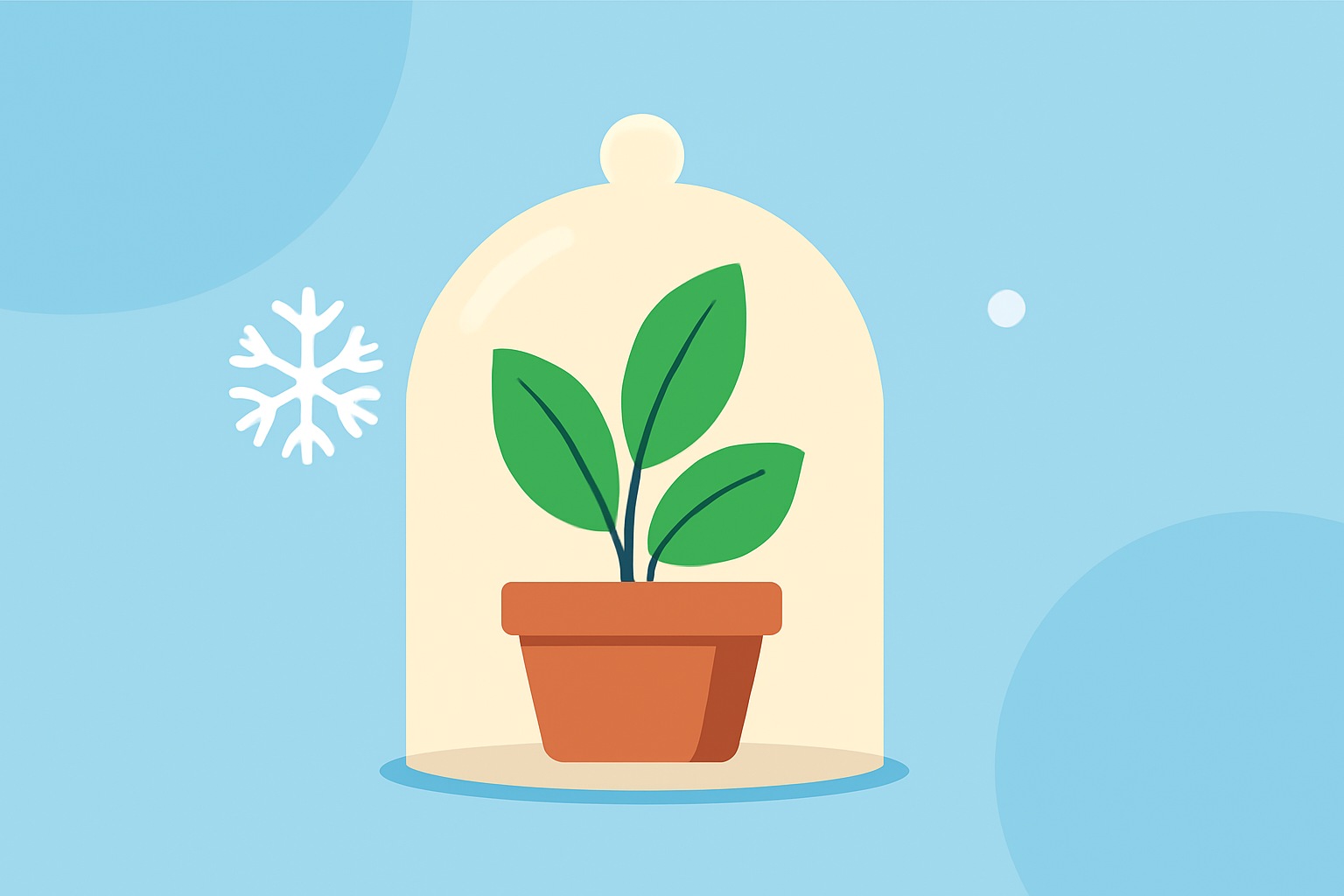
Experiencing a cold wave can pose significant challenges for gardeners, especially in regions where such events are uncommon. Understanding how to protect your plants during these periods is crucial for maintaining a healthy and productive garden. This guide provides essential tips to help you navigate cold spells effectively.
What Are Cold Waves and How Do They Affect Gardens?
A cold wave is a prolonged period of abnormally cold temperatures, often accompanied by frost or freezing conditions. These sudden temperature drops can damage or kill plants, disrupt growth cycles, and lead to the loss of tender crops. Recognizing the signs of an impending cold wave and taking proactive measures can mitigate potential damage.
How Can I Prepare My Garden for a Cold Wave?
Preparation is key to protecting your garden during cold spells. Here are several strategies to consider:
-
Select Cold-Hardy Plants: Choose plant varieties known for their resilience in low temperatures. Cold-hardy vegetables like kale, spinach, and certain root crops are well-suited for colder climates. (smartlawnguide.com)
-
Utilize Cold Frames: Constructing a cold frame—a simple, unheated structure with a transparent lid—can extend your growing season by protecting plants from frost and wind. Cold frames are particularly useful for starting seeds early and growing cold-tolerant vegetables. (gardeningknowhow.com)
-
Implement Mulching Techniques: Applying a layer of mulch around your plants helps insulate the soil, maintaining a more stable temperature and protecting roots from freezing. The type and thickness of mulch may vary depending on your USDA Hardiness Zone. (harvesttotable.com)
-
Cover Vulnerable Plants: Use frost cloths, burlap, or blankets to cover tender plants during cold nights. Ensure that the covers do not touch the foliage directly to prevent frost damage. (seedarmory.com)
-
Water Wisely: Watering your garden before a freeze can help insulate plants. Moist soil retains heat better than dry soil, providing a buffer against sudden temperature drops. (seedarmory.com)
What Are the Best Practices for Protecting Plants During a Cold Wave?
Implementing the following practices can enhance your garden's resilience during cold spells:
-
Monitor Weather Forecasts: Stay informed about upcoming weather conditions to anticipate cold waves and take timely action.
-
Provide Shelter: For container plants, move them to sheltered locations, such as near the house or under a porch, to shield them from cold winds. (nhg.com)
-
Prune Strategically: Avoid heavy pruning in late fall, as it can stimulate new growth that is more susceptible to cold damage.
-
Harvest Appropriately: Before a freeze, harvest tender vegetables and fruits to prevent loss. Some crops, like carrots and parsnips, can remain in the ground and be harvested later. (almanac.com)
How Can I Extend My Growing Season Beyond Cold Waves?
To maximize your gardening potential throughout the year:
-
Plan for Seasonal Transitions: Incorporate both cool-season and warm-season crops into your planting schedule to ensure continuous harvests.
-
Invest in Season-Extending Structures: Consider building greenhouses or hoop houses to create controlled environments for your plants, allowing for year-round cultivation.
-
Practice Succession Planting: Stagger planting times for the same crops to spread out harvest periods and reduce the impact of any single cold event.
Conclusion
While cold waves present challenges, they also offer opportunities to refine gardening practices and enhance plant resilience. By selecting appropriate plant varieties, implementing protective measures, and planning for seasonal changes, gardeners can successfully navigate cold spells and enjoy a thriving garden year-round.
Highlights:
- What Gardeners in the World's Coldest Regions Can Teach Us About Winter Gardening, Published on Wednesday, January 14
- Build Your Own DIY Cold Frame for Extended Growing, Published on Thursday, September 18