
Cold Wave Safety: Essential Guidelines for Protecting Yourself During Extreme Cold
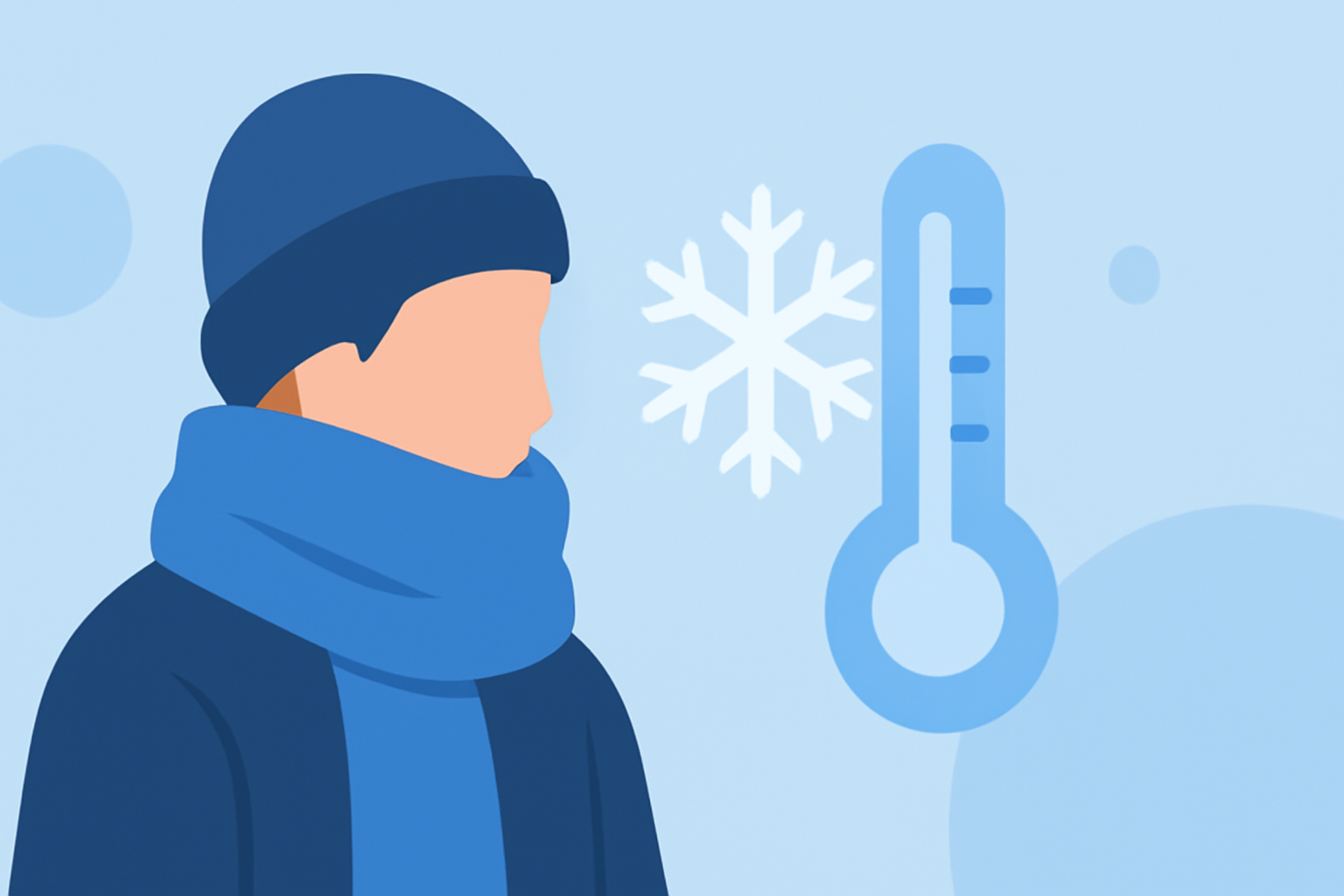
Cold waves, characterized by a rapid and sustained drop in temperature, pose significant health risks, including hypothermia and frostbite. Understanding how to prepare for and respond to these conditions is crucial for your safety.
What Is a Cold Wave?
A cold wave is a prolonged period of excessively cold weather, often accompanied by strong winds and low temperatures. These conditions can lead to dangerous health issues and disrupt daily activities.
How Can I Prepare for a Cold Wave?
-
Stay Informed: Regularly monitor weather forecasts to anticipate cold waves.
-
Home Preparation: Insulate pipes, seal gaps in windows and doors, and ensure your heating system is functioning properly.
-
Emergency Kit: Assemble a kit with essentials like non-perishable food, water, medications, flashlights, batteries, and warm clothing.
What Should I Wear During Extreme Cold?
-
Layering: Dress in multiple layers to trap heat.
-
Outerwear: Use a water-resistant coat and boots to protect against wind and moisture.
-
Accessories: Wear a hat, scarf, and mittens to cover exposed skin.
How Can I Stay Safe Outdoors?
-
Limit Exposure: Stay indoors during extreme cold; if you must go out, keep trips brief.
-
Avoid Ice: Stay off ice-covered surfaces to prevent falls.
-
Stay Dry: Wet clothing increases heat loss; keep dry to maintain body heat.
What Are the Signs of Hypothermia and Frostbite?
-
Hypothermia: Shivering, confusion, slurred speech, and drowsiness.
-
Frostbite: Numbness, white or grayish-yellow skin, and hard or waxy skin.
What Should I Do if I Experience Hypothermia or Frostbite?
-
Hypothermia: Seek medical attention immediately; warm the person gradually.
-
Frostbite: Get indoors; do not rub the affected area; seek medical care promptly.
How Can I Stay Safe During a Power Outage?
-
Alternative Heat Sources: Use battery-powered heaters or fireplaces safely.
-
Food Safety: Keep refrigerator and freezer doors closed to preserve food.
-
Carbon Monoxide: Never use generators or grills indoors.
How Can I Protect My Home During a Cold Wave?
-
Pipe Insulation: Wrap pipes to prevent freezing.
-
Drip Faucets: Let faucets drip to keep water moving.
-
Open Cabinets: Open kitchen and bathroom cabinet doors to allow warmer air to circulate around plumbing.
What Are the Risks of Shoveling Snow?
Shoveling snow can be physically demanding and may increase the risk of heart issues, especially in cold weather. It's advisable to take frequent breaks and avoid overexertion. (axios.com)
How Can I Protect My Pets During a Cold Wave?
-
Indoor Shelter: Keep pets indoors during extreme cold.
-
Warm Bedding: Provide warm bedding and shelter.
-
Limit Outdoor Time: Keep outdoor excursions brief and monitor for signs of cold stress.
How Can I Stay Informed During a Cold Wave?
-
Weather Alerts: Sign up for local weather alerts.
-
Emergency Services: Follow guidance from local authorities and emergency services.
By understanding the risks associated with cold waves and taking proactive measures, you can significantly reduce the dangers posed by extreme cold weather.
Highlights:
- Snow survival 101: How to stay safe during a winter storm, Published on Wednesday, January 21