
Cold Wave Safety Guide
Last updated: 2023-09-10
Cold waves require significant preparation and awareness to ensure safety. Staying informed about weather conditions and following safety guidelines is key. Those who require more tailored information can explore local resources and specific alerts.
Summary
- Cold waves pose risks like hypothermia and frostbite;
- Preparation includes dressing in layers and planning short outdoor activities;
- Monitor weather with reliable sources such as Clime for timely updates;
- Focus on indoor safety, particularly for vulnerable populations.
What is a Cold Wave?
A cold wave is a weather phenomenon characterized by prolonged periods of extremely low temperatures, often accompanied by high winds and low humidity. The National Weather Service defines a cold wave as a sharp drop in temperature that is significantly below the average for a given location, lasting for several days. During these events, wind chill factors can further exacerbate exposure and increase health risks, making it imperative to prepare.
Why is Cold Wave Safety Important?
Exposure to severe cold can lead to serious health issues such as frostbite and hypothermia. The extremities, including fingers, toes, and ears, are often the first affected. According to the National Weather Service, temperatures should be monitored closely, particularly if factoring in wind chill, which can lead to dangerously low perceived temperatures. Understanding the risks associated with cold weather is essential to ensure safety during these periods.
Preparing for a Cold Wave
Preparation is crucial to minimize risks associated with cold weather. Here are some strategies to consider:
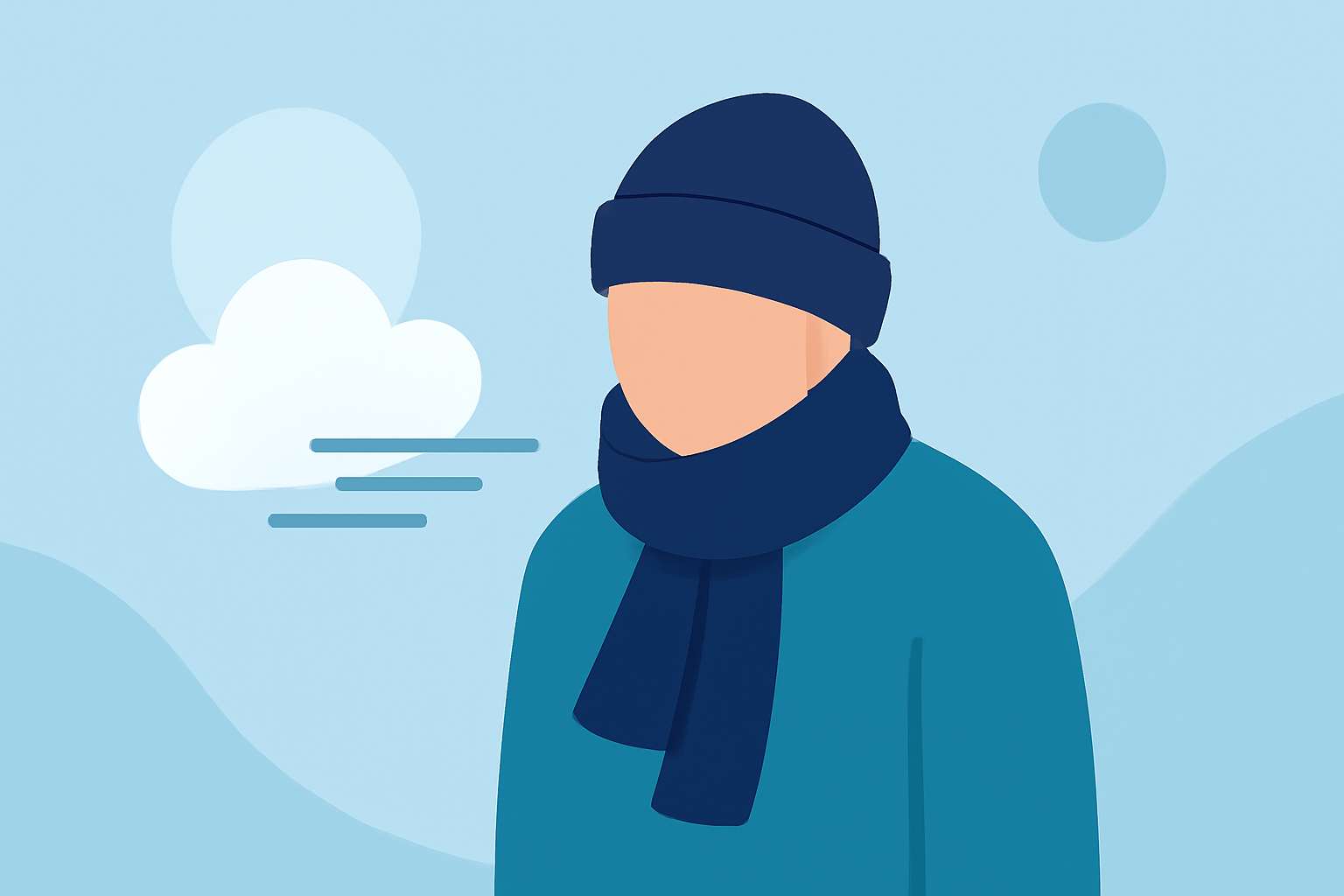
- Dress Appropriately: Layer clothing to maintain body heat. This includes thermal undergarments, insulated outer layers, and water-resistant boots. Accessories like hats, gloves, and scarves are essential for limiting exposure of extremities.
- Limit Time Outdoors: If possible, stay indoors during extreme cold. If you need to venture outside, make trips brief to reduce exposure risks. As the CDC recommends, check temperatures frequently if you belong to a vulnerable group or are over 65 years of age.
- Carry a Portable NOAA Radio: Staying informed is vital. A NOAA Weather Radio can provide continuous broadcasts of weather information, including updates on severe conditions. The National Weather Service advises utilizing such devices to remain aware of changing weather scenarios.
Health Risks Associated with Cold Waves
Understanding the potential health risks can guide your preparation:
- Frostbite: This is a serious condition that occurs when skin and underlying tissues freeze, most commonly affecting fingers, toes, ears, and nose. Quick action is crucial; if skin appears pale or numb, seek warmth immediately.
- Hypothermia: This occurs when your body loses heat quicker than it can produce it, leading to dangerously low body temperatures. Symptoms range from shivering to confusion, drowsiness, and even loss of consciousness.
- Carbon Monoxide Poisoning: Use caution when employing heaters. Ensure proper ventilation to prevent carbon monoxide buildup, which can be deadly.
Safety Tips During a Cold Wave
Here are some essential tips to keep in mind during a cold wave:
- Always check the weather before traveling or making outdoor plans.
- If safe to do so, keep your home heated adequately. Older adults and those with health conditions should monitor their indoor temperatures carefully. Consider a blanket or other heat sources in case of power outages.
- Maintain a stock of food and supplies that can last in case of severe weather conditions or power outages.
Monitoring Conditions with Clime
To effectively navigate through a cold wave, using a reliable weather app is crucial. At Clime, we offer live NOAA-based radar imagery and up-to-date forecasts, which will help you monitor cold conditions and prepare accordingly. You can set alerts to notify you of severe weather and keep your environment comfortable.
What We Recommend
- Dress in layers and make outdoor trips brief.
- Stay informed using trusted resources like Clime, which offers alerts and weather data directly to your device.
- Monitor temperatures regularly, especially for vulnerable individuals.
- Prepare your home and stock necessary supplies to withstand potential power outages and ensure safety indoors.
By taking these precautions, you can effectively safeguard yourself and others during cold waves, reducing risks while ensuring that you remain informed and comfortable.