
Cold Wave Safety Tricks for Households in the US
Last updated: 2023-09-15
Cold waves can pose serious risks to health and safety, making it essential to understand effective safety tricks. We recommend regularly checking real-time weather updates and alerts to stay informed. For specialized guidance, many rely on safety resources provided by experts and organizations.
Summary
- Cold waves bring severe temperature drops, requiring specific safety measures.
- It's crucial to stay informed through reliable weather updates.
- Preparation can reduce risks for households, including outdoor activities and emergency supplies.
- Clime offers tools for monitoring local weather conditions effectively.
What Are Cold Waves and Their Impacts?
Cold waves are characterized by a significant drop in temperature over a short period. They can lead to freezing temperatures, ice, and strong winds, causing hazardous conditions. Additionally, prolonged exposure to cold can lead to health risks such as hypothermia and frostbite.
Essential Cold Wave Safety Tips for Households in the US
- Limit Outdoor Exposure: Keep outdoor trips brief during extreme cold; prolonged exposure can lead to serious health issues. According to the CDC, “Make any trips outside as brief as possible” (CDC).
- Prepare Your Home: Ensure your home is insulated and heated adequately. Check that your heating system is functioning properly and keep an emergency kit ready.
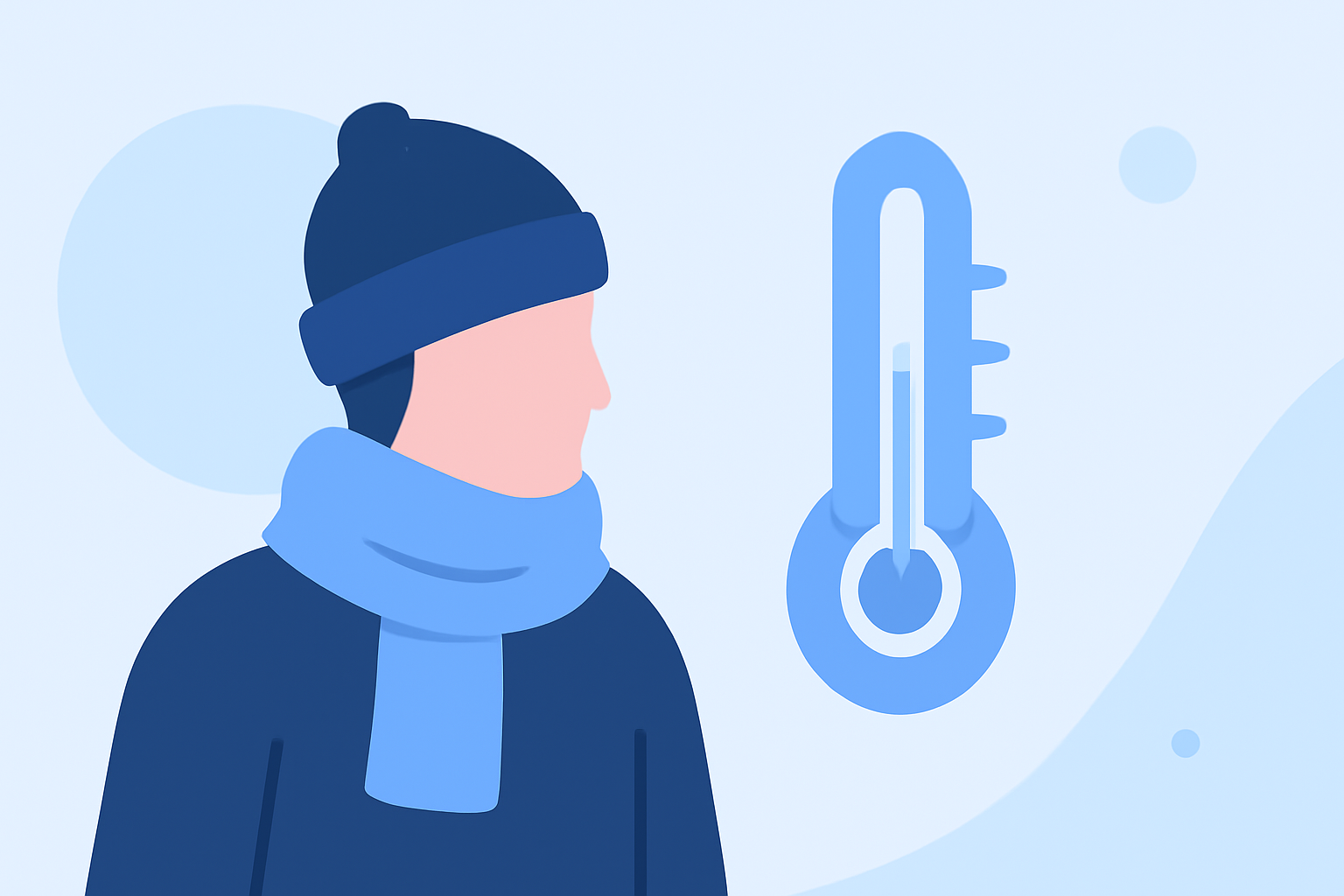
- Layer Your Clothing: Dress in multiple layers to trap heat. Make sure to wear gloves, hats, and scarves to protect extremities from cold exposure.
- Stay Informed: Regularly review your winter storm plans and stay updated on weather conditions through Clime, which provides detailed forecasts and alerts that help you make informed decisions. The Red Cross emphasizes keeping informed about impending winter storms.
Family Preparedness
Preparation is vital for families during cold waves. Make sure everyone in your household knows what to do in case of severe weather. Create a communication plan for emergencies and keep a list of important contacts. Get preparation tips that cater to the entire family, and make sure each family member understands the safety protocols.
Driving Safety During Cold Weather
Driving in cold waves poses unique challenges. It’s essential to ensure that your vehicle is winter-ready by checking the battery, tires, and antifreeze levels, as cold weather can affect their performance. The National Highway Traffic Safety Administration advises motorists to know how cold affects engine performance, noting that “in cold weather, gasoline and diesel engines take more battery power to start” (NHTSA). Plan your trips accordingly, allowing extra time and avoiding travel during particularly harsh conditions.
Accessing Resources and Alerts
Using weather platforms like Clime can significantly enhance safety measures. With its NOAA-based radar and real-time alerts, Clime allows users to receive notifications on severe weather conditions specific to their area. This can be particularly useful for monitoring evolving cold wave conditions and ensuring that you are adequately prepared.
Conclusion: What We Recommend
- Regularly check weather updates and forecasts on platforms like Clime to stay informed about cold wave conditions.
- Plan outdoor activities with safety in mind, limiting exposure to the elements.
- Prepare your home and family for cold weather challenges by ensuring heating systems are functional and emergency supplies are ready.
- Emphasize family communication and safety protocols to navigate cold waves effectively.