
Getting Started with Cold Weather Basics for Travelers
Traveling in cold conditions requires careful preparation to ensure safety and comfort. Here's a guide to help you navigate cold weather effectively.
How Should I Dress for Cold Weather?
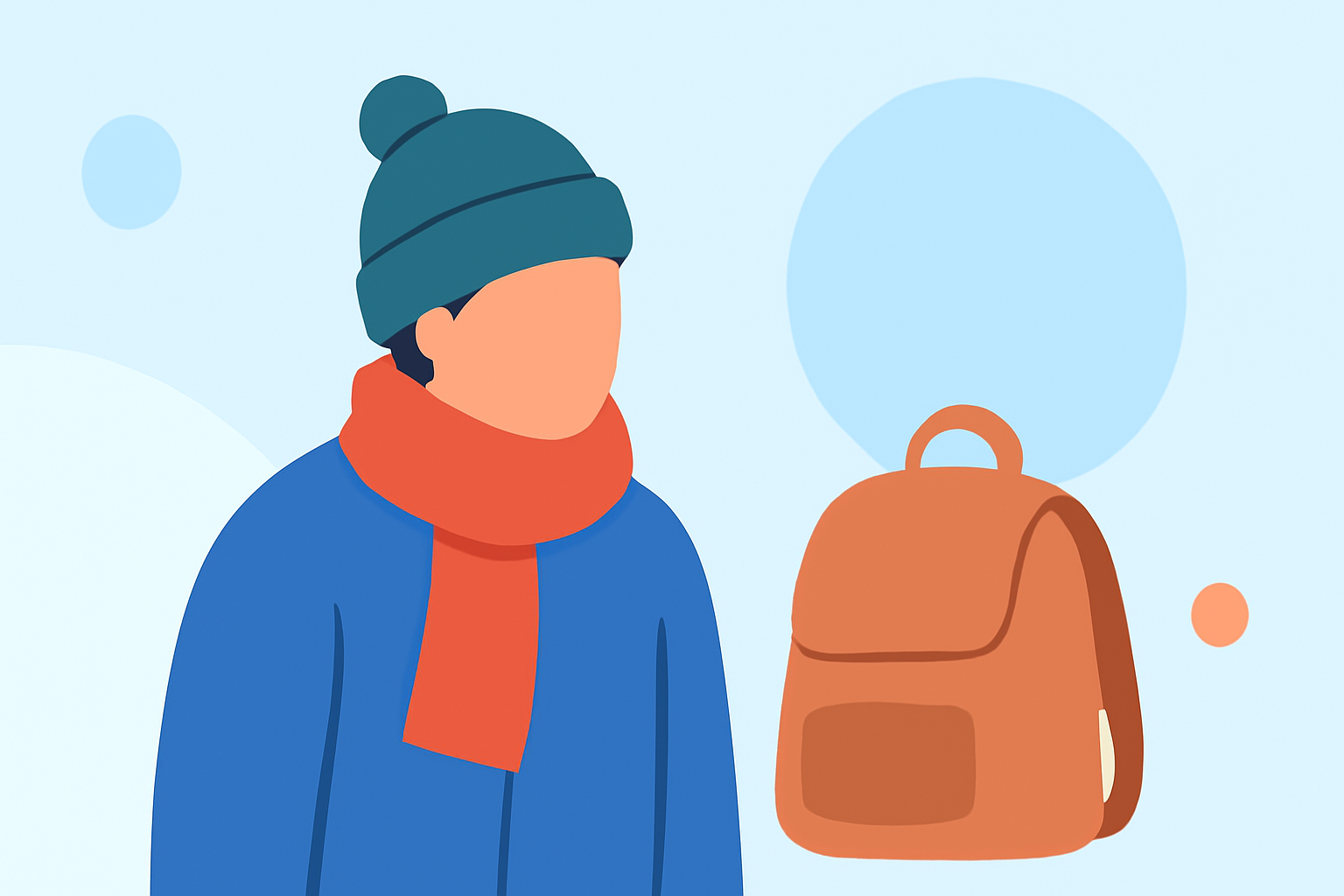
Layering is key to staying warm. Start with a moisture-wicking base layer, add an insulating middle layer, and finish with a waterproof, windproof outer layer. Don't forget a warm hat, insulated gloves, and a scarf to protect exposed skin. Mittens often provide better warmth than gloves. (weather.gov)
What Should I Include in My Emergency Kit?
Equip your vehicle with an emergency kit containing:
- A flashlight with extra batteries
- Non-perishable food and water
- First aid supplies
- Warm blankets or sleeping bags
- A battery-powered or hand-crank radio
- Extra clothing and sturdy boots
- A fully charged mobile phone
Regularly check and update your kit to ensure all items are in working order. (weather.gov)
How Can I Prepare My Vehicle for Cold Weather?
Before traveling, ensure your vehicle is winter-ready by:
- Checking tire pressure and tread depth
- Inspecting the battery and charging system
- Ensuring the heater and defroster are functioning
- Maintaining a full gas tank to prevent fuel line freeze-up
- Equipping your car with snow chains if necessary
Regular maintenance can prevent breakdowns in cold conditions. (weather.gov)
What Are the Signs of Hypothermia?
Hypothermia occurs when the body loses heat faster than it can produce it, leading to a dangerously low body temperature. Signs include uncontrollable shivering, slurred speech, drowsiness, exhaustion, and memory lapses. If you notice these symptoms, seek warmth immediately and contact medical professionals. (weather.gov)
How Can I Stay Safe During a Winter Storm?
If caught outside in a winter storm:
- Seek shelter immediately.
- Cover all exposed skin to prevent frostbite.
- Avoid overexertion, as it can lead to exhaustion and increase the risk of hypothermia.
In your vehicle:
- Stay inside and run the engine for heat periodically.
- Keep the exhaust pipe clear of snow to prevent carbon monoxide buildup.
- Signal for help by tying a colored cloth to your antenna or door.
Inside your home:
- Close off unneeded rooms to conserve heat.
- Use blankets and warm clothing to stay comfortable.
- Avoid using unvented heating sources to prevent carbon monoxide poisoning.
Always stay informed about weather conditions and heed any warnings or advisories issued by local authorities. (weather.gov)
By following these guidelines, you can enhance your safety and comfort while traveling in cold weather.
Highlights:
- Prepare for Cold Weather
- During Extremely Cold Weather
- Snow, Ice, and Cold