
Cold Weather Workout Safety: Essential Guidelines
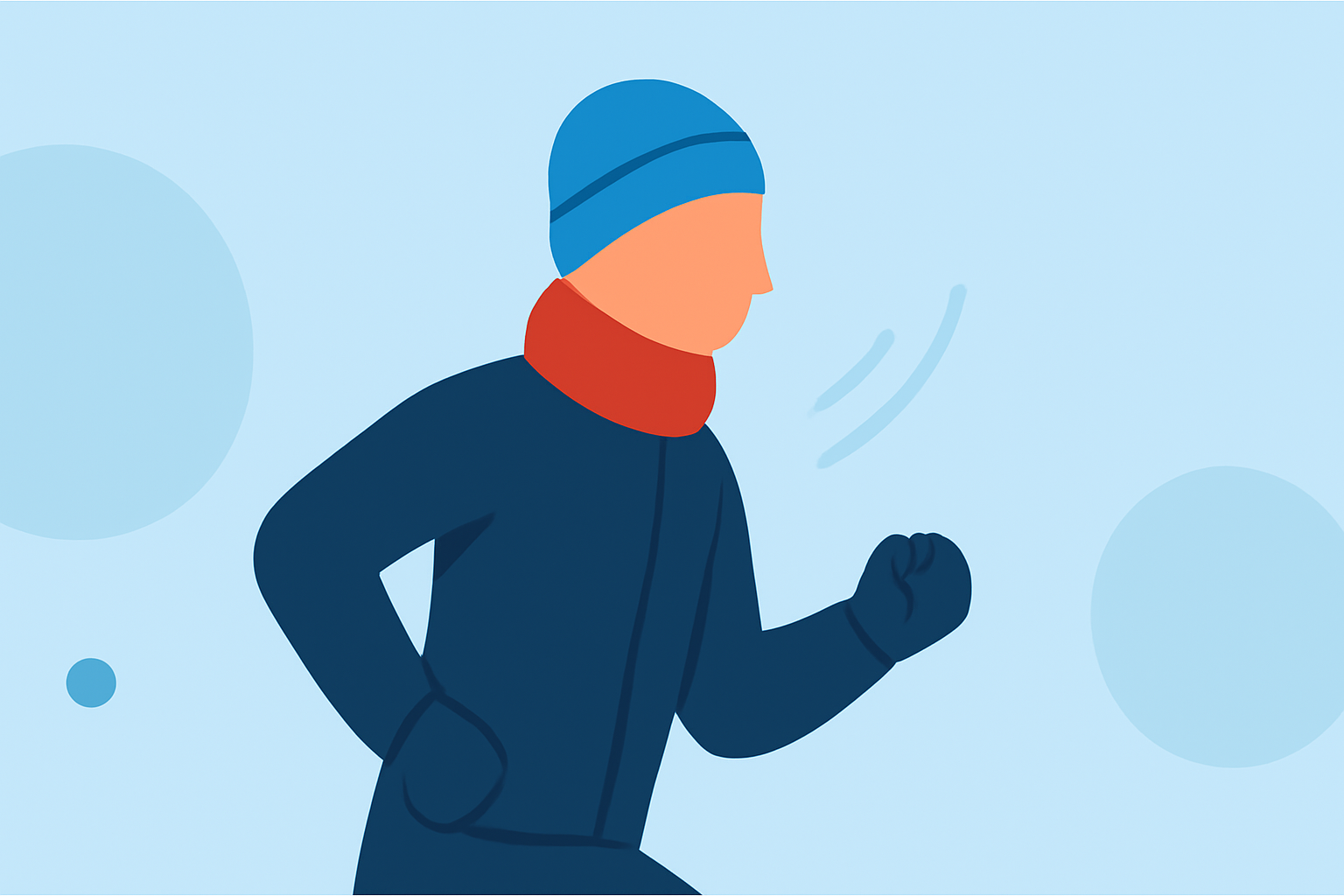
Exercising in cold weather can be invigorating, but it requires careful preparation to ensure safety and effectiveness. Understanding the risks and implementing appropriate strategies can help you maintain your fitness routine without compromising your health.
Why Is Cold Weather Exercise Risky?
Cold temperatures can cause muscles to stiffen, increasing the risk of strains and sprains. Additionally, cold air can constrict blood vessels, placing extra strain on the heart. For individuals with existing health conditions, such as asthma or heart disease, exercising in cold weather may exacerbate symptoms. (sportsmedicine.mayoclinic.org)
How Should You Prepare for Cold Weather Workouts?
-
Check the Weather Forecast: Before heading out, assess the temperature, wind chill, and potential precipitation. If conditions are extreme—such as temperatures below zero degrees Fahrenheit or severe wind chills—it may be safer to opt for indoor activities. (newsnetwork.mayoclinic.org)
-
Warm Up Thoroughly: Cold muscles are more susceptible to injury. Engage in a comprehensive warm-up that includes dynamic stretches and light aerobic exercises to prepare your body for more intense activity. (sciencealert.com)
-
Dress in Layers: Layering allows you to adjust your clothing as needed to regulate body temperature. Start with a moisture-wicking base layer to keep sweat away from your skin, add an insulating middle layer for warmth, and finish with a waterproof, windproof outer layer to protect against the elements. (mhsaa.com)
-
Protect Extremities: Wear a hat, gloves, and warm socks to shield your head, hands, and feet from the cold. These areas are particularly vulnerable to frostbite and should be adequately covered. (mhsaa.com)
What Are the Signs of Cold-Related Health Issues?
Be vigilant for symptoms of hypothermia and frostbite, which can occur even in temperatures above freezing. Signs of hypothermia include shivering, confusion, slurred speech, and fatigue. Frostbite symptoms may involve numbness, pale skin, and a hard or waxy appearance in affected areas. If you experience any of these symptoms, seek shelter and medical attention immediately. (cdc.gov)
How Can You Safely Exercise in Cold Weather?
-
Stay Hydrated: Cold air can be dehydrating. Drink water before, during, and after your workout to maintain hydration levels. (texasheart.org)
-
Avoid Alcohol: Alcohol can impair judgment and increase heat loss, making you more susceptible to cold-related injuries. (texasheart.org)
-
Listen to Your Body: Pay attention to how you feel during your workout. If you experience discomfort, dizziness, or excessive fatigue, stop exercising and seek warmth.
When Should You Consider Indoor Alternatives?
If the weather conditions are severe—such as heavy snow, ice, or extreme cold—it may be best to postpone outdoor workouts and opt for indoor exercises. This approach ensures your safety while still allowing you to maintain your fitness regimen. (newsnetwork.mayoclinic.org)
By following these guidelines, you can enjoy the benefits of exercising in cold weather while minimizing potential risks. Always prioritize your health and safety, and consult with a healthcare professional if you have any concerns about exercising in cold conditions.
Highlights:
- Cold Weather Workouts: Injury Risk and Safety Tips - Men's Journal, Published on Sunday, January 11
- 7 Expert Tips to Help You Exercise Safely in The Winter Cold : ScienceAlert, Published on Thursday, January 08
- Tips for cold-weather training - Mayo Clinic Health System, Published on Tuesday, January 31