
Common Air Purifier Questions Answered
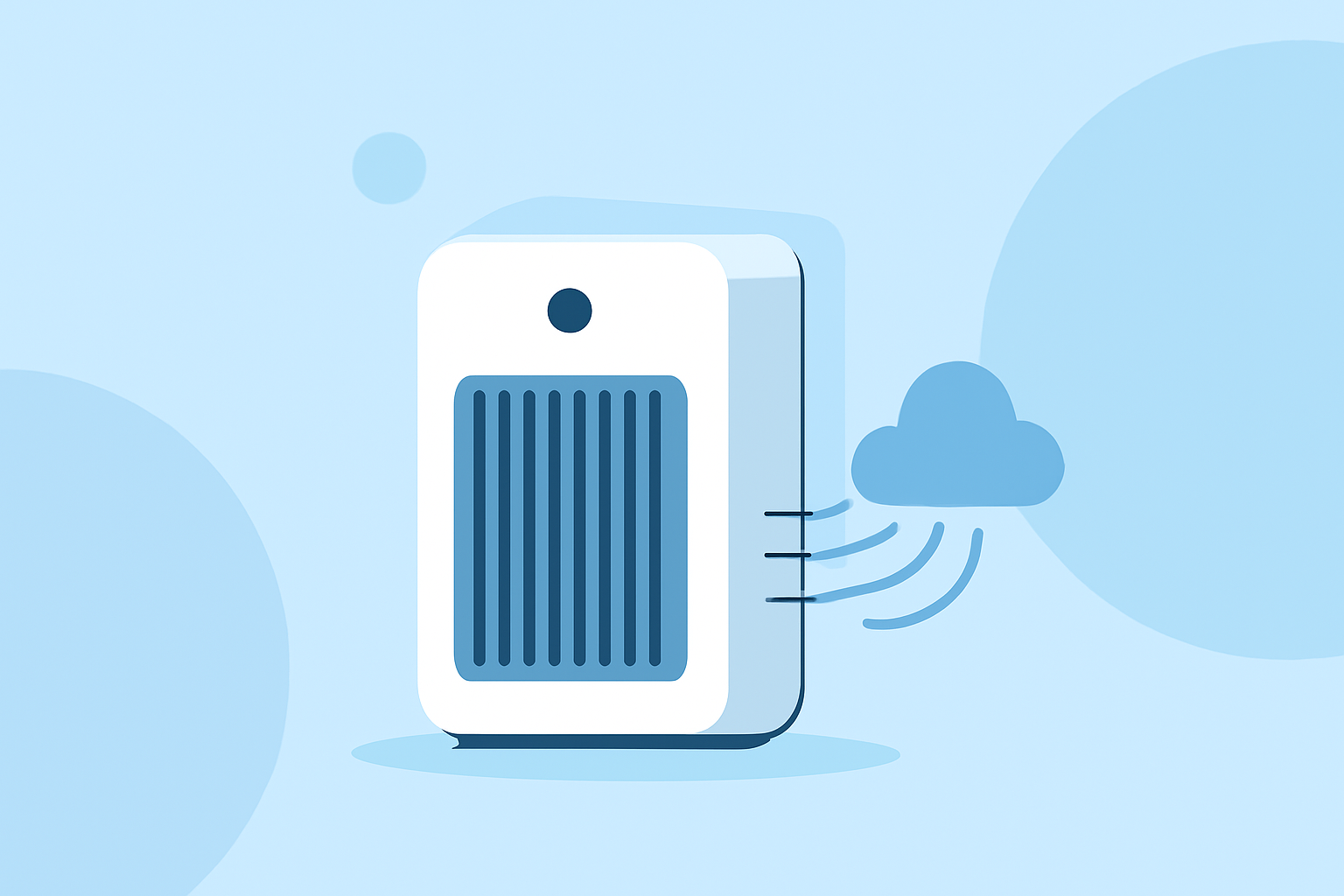
Air purifiers are devices designed to enhance indoor air quality by removing contaminants such as dust, pollen, pet dander, smoke, and volatile organic compounds (VOCs). They are particularly beneficial for individuals with allergies, asthma, or respiratory conditions.
How Do Air Purifiers Work?
Air purifiers operate by drawing in air from the surrounding environment and passing it through a series of filters that capture airborne pollutants. The cleaned air is then circulated back into the room. The effectiveness of an air purifier depends on factors such as the type of filter used, the size of the room, and the specific contaminants present. (healthline.com)
What Are the Different Types of Air Purifiers?
Air purifiers come in various types, each utilizing different technologies to clean the air:
-
HEPA (High-Efficiency Particulate Air) Filters: These filters capture at least 99.97% of airborne particles as small as 0.3 microns, including dust, pollen, and pet dander. (hepa.info)
-
Activated Carbon Filters: These filters adsorb gases, odors, and VOCs, improving air quality by removing unpleasant smells and chemical vapors.
-
UV-C Light Purifiers: These devices use ultraviolet light to kill bacteria and viruses, though they are often used in conjunction with other filters for comprehensive air purification.
What Are the Benefits of Using an Air Purifier?
Utilizing an air purifier can lead to several health and comfort benefits:
-
Allergen Reduction: Air purifiers can help reduce airborne allergens, providing relief for individuals with allergies or asthma. (webmd.com)
-
Odor Elimination: They can remove odors from cooking, pets, and smoke, creating a more pleasant indoor environment.
-
Improved Sleep Quality: Cleaner air can contribute to better sleep by reducing irritants that may disrupt rest.
-
Enhanced Respiratory Health: By filtering out pollutants, air purifiers can support overall lung health and reduce the risk of respiratory issues.
How Do I Choose the Right Air Purifier for My Home?
When selecting an air purifier, consider the following factors:
-
Room Size: Ensure the purifier is suitable for the room's square footage.
-
Filter Type: Choose a purifier with filters that address your specific concerns, such as HEPA filters for allergens or activated carbon filters for odors.
-
Maintenance Requirements: Consider the ease of cleaning or replacing filters to maintain optimal performance.
-
Noise Level: Select a model that operates quietly, especially if it will be used in bedrooms or other quiet areas.
Are There Any Limitations to Air Purifiers?
While air purifiers are effective at removing airborne contaminants, they may not eliminate all pollutants, such as those that have settled on surfaces. Regular cleaning and proper ventilation are also important for maintaining indoor air quality. (healthline.com)
Incorporating an air purifier into your home can significantly improve indoor air quality, leading to a healthier and more comfortable living environment.
Highlights:
- Can you clean and reuse your air purifier filter? I asked the experts, Published on Thursday, November 06