
Common Asthma Weather Questions During Heat Waves
Last updated: 2023-09-01
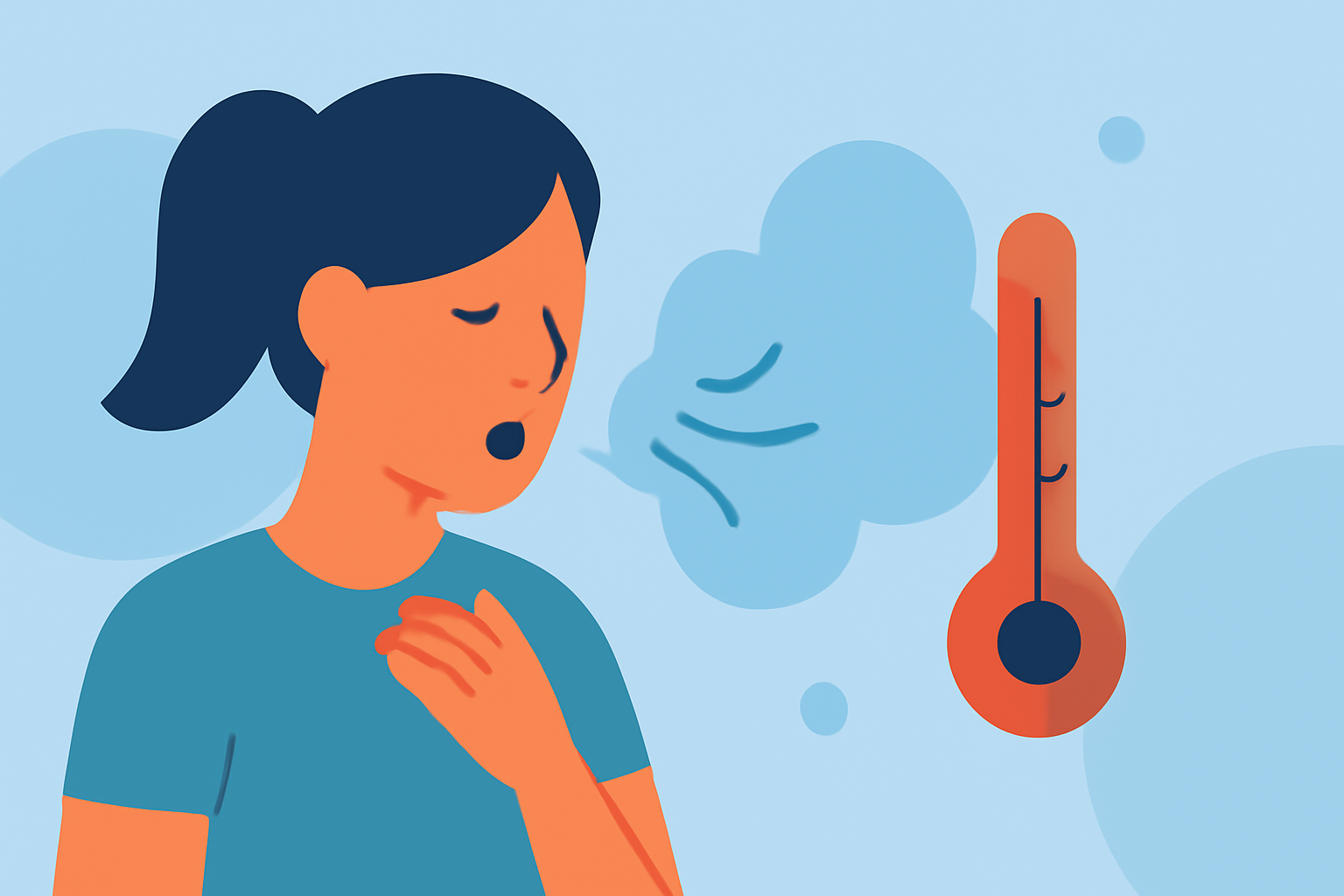
During heat waves, individuals with asthma may face worsened symptoms due to elevated temperatures and poor air quality. To effectively manage asthma, monitoring weather conditions and air quality is crucial, and utilizing a reliable weather app, like Clime, can offer essential alerts and forecasts specific to your area.
Summary
- Heat waves can exacerbate asthma symptoms and worsen air quality.
- Understanding the effects of heat on asthma is critical for effective management.
- Monitoring local weather conditions can help mitigate health risks associated with extreme heat.
- Effective tools, such as Clime, provide timely alerts and detailed forecasts to aid those with asthma.
What Official Guidance Says About Asthma and Heat Waves
According to the CDC, extreme heat can heighten various health risks for vulnerable populations, including those with asthma. Conditions like asthma are acknowledged in heat-health guidance, indicating that managing exposure is essential during heat waves. The CDC emphasizes that maintaining cool environments and staying hydrated can help in alleviating potential asthma challenges during these conditions.
How Heat Affects Air Quality and Asthma Control
Heat can significantly impact air quality, which, in turn, influences asthma control. High temperatures contribute to increased pollutants and allergens in the air. The CDC states that heat can worsen air quality, exacerbating asthma symptoms and leading to additional health complications. Using a tool like Clime, which provides air quality alerts and forecasts, can be invaluable for those managing asthma as one can stay informed about local conditions.
What Signs Indicate Overheating in Children with Asthma During Heat Waves?
Signs of overheating can be particularly concerning for children with asthma. The CDC outlines several symptoms such as difficulty breathing and increased fatigue during exercise as critical indicators. Being vigilant about these signs is essential for families, especially during heat waves when children may be more susceptible to the adverse effects of extreme temperatures.
Managing Asthma During Heat Waves
To effectively manage asthma during heat waves, consider these strategies:
- Stay Inside During Peak Heat: Avoid outdoor activities during the hottest parts of the day, usually between 10 a.m. and 4 p.m.
- Use Air Conditioning: If available, remain in air-conditioned spaces to help regulate body temperature and improve air quality.
- Stay Hydrated: Drink plenty of water to help your body cope with heat stress, which can impact asthma control.
- Monitor Air Quality: Keep an eye on local air quality conditions using a reliable weather app like Clime to receive updates and alerts based on your location.
Potential Heat-Related Triggers for Asthma
Heat waves can introduce various asthma triggers, including:
- Increased Pollen Levels: High temperatures may lead to elevated pollen levels, exacerbating allergies associated with asthma.
- Poor Air Quality: Ground-level ozone and other pollutants can become more concentrated during heat, worsening asthma symptoms.
- Dehydration: Lack of adequate hydration can strain the respiratory system, leading to increased asthma episodes.
What We Recommend
- Utilize Clime: For personalized weather updates and air quality alerts tailored to your needs.
- Stay Aware: Keep informed about local health advisories related to heat and air quality.
- Create a Cooling Plan: Have a strategy to cool down if you experience symptoms of overheating, especially for children with asthma.
- Consult Healthcare Providers: Regularly discuss management strategies with healthcare professionals for personalized advice.