
Common Heat Stroke Prevention Questions Answered
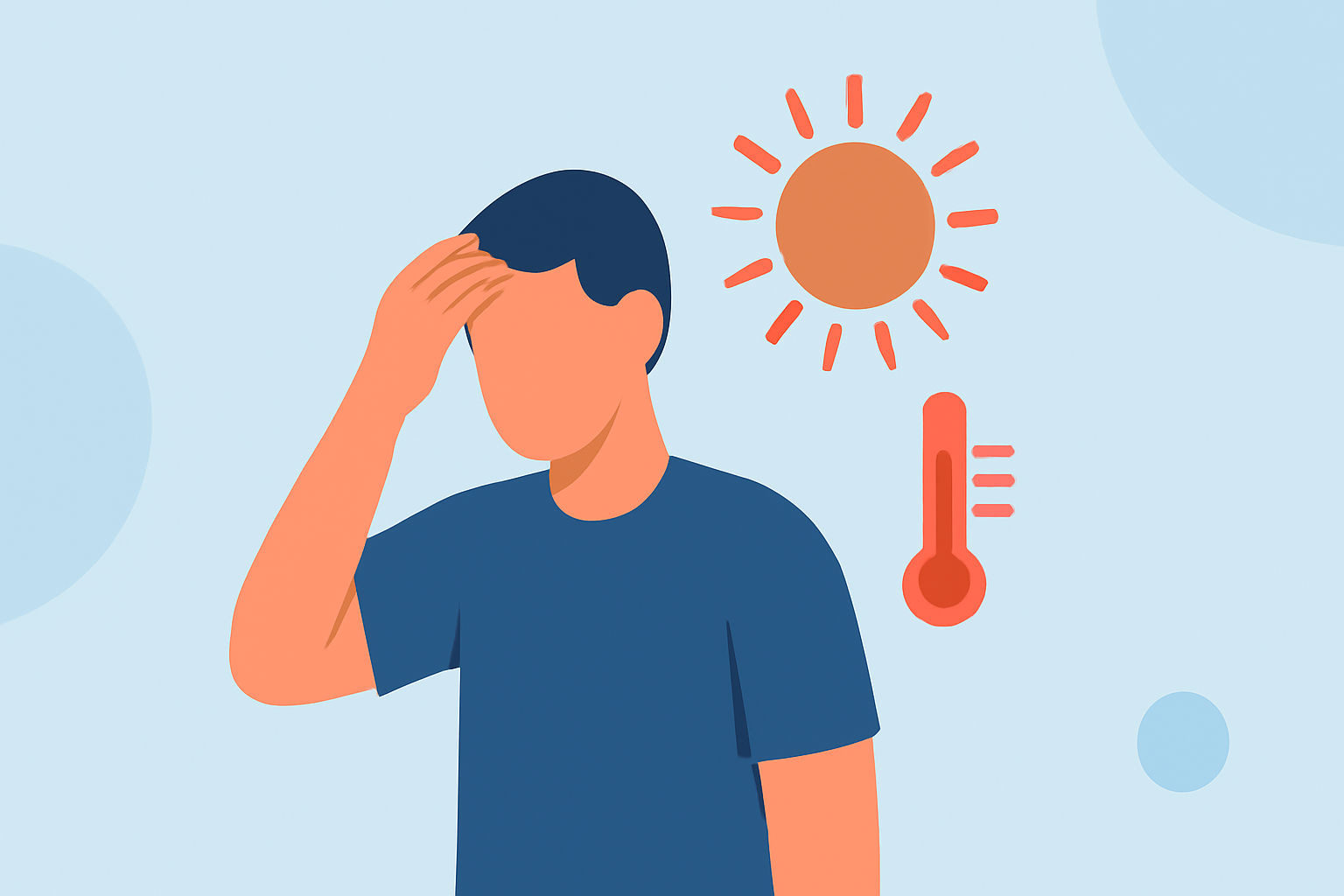
Heat stroke is a severe heat-related illness that can be life-threatening if not addressed promptly. Understanding how to prevent heat stroke is crucial, especially during hot weather. Here are some common questions and answers to help you stay safe:
What is heat stroke?
Heat stroke occurs when the body's temperature regulation system fails, leading to a rapid increase in body temperature, often exceeding 104°F (40°C). This condition can result in confusion, loss of consciousness, and even death if not treated immediately. (cdc.gov)
How can I prevent heat stroke?
-
Stay Hydrated: Drink plenty of water throughout the day, even if you don't feel thirsty. Avoid alcohol and beverages high in sugar or caffeine, as they can increase dehydration. (cdc.gov)
-
Stay Cool: Seek shade or air-conditioned environments during peak heat hours. If indoors, use fans to circulate air, but note that fans may not be effective when temperatures are above 90°F (32°C). (cdc.gov)
-
Wear Appropriate Clothing: Opt for loose, lightweight, and light-colored clothing to reflect heat. (cdc.gov)
-
Limit Physical Activity: Avoid strenuous activities during the hottest parts of the day. If exercise is necessary, schedule it for early morning or evening when temperatures are cooler. (cdc.gov)
Who is at higher risk for heat stroke?
Certain groups are more susceptible to heat-related illnesses, including:
-
Infants and young children
-
Older adults
-
People with chronic medical conditions like heart disease or asthma
-
Individuals working or exercising outdoors
It's essential to take extra precautions if you fall into these categories. (cdc.gov)
What are the symptoms of heat stroke?
Signs of heat stroke include:
-
High body temperature (104°F or higher)
-
Altered mental state (confusion, agitation, slurred speech)
-
Hot, dry skin or profuse sweating
-
Nausea or vomiting
-
Rapid breathing or pulse
-
Headache
If you or someone else exhibits these symptoms, seek emergency medical care immediately. (cdc.gov)
How can I help others during extreme heat?
-
Check on Vulnerable Individuals: Regularly check on family members, friends, and neighbors, especially those who are elderly, have chronic health conditions, or live alone. (cdc.gov)
-
Encourage Hydration: Remind others to drink water regularly and avoid alcohol and sugary drinks.
-
Provide Cooling Options: Offer access to air-conditioned spaces or fans.
By staying informed and taking proactive measures, you can significantly reduce the risk of heat stroke for yourself and those around you.
Highlights:
- About Heat and Your Health | Heat Health | CDC, Published on Thursday, July 24
- Heat-related Illnesses | Heat | CDC, Published on Monday, March 02
- Heat and Athletes | Heat Health | CDC, Published on Monday, June 24