
Common Hurricane Generator Prep Questions in Under 5 Minutes
September 5, 2023 · The Clime Team
Last updated: 2023-09-05
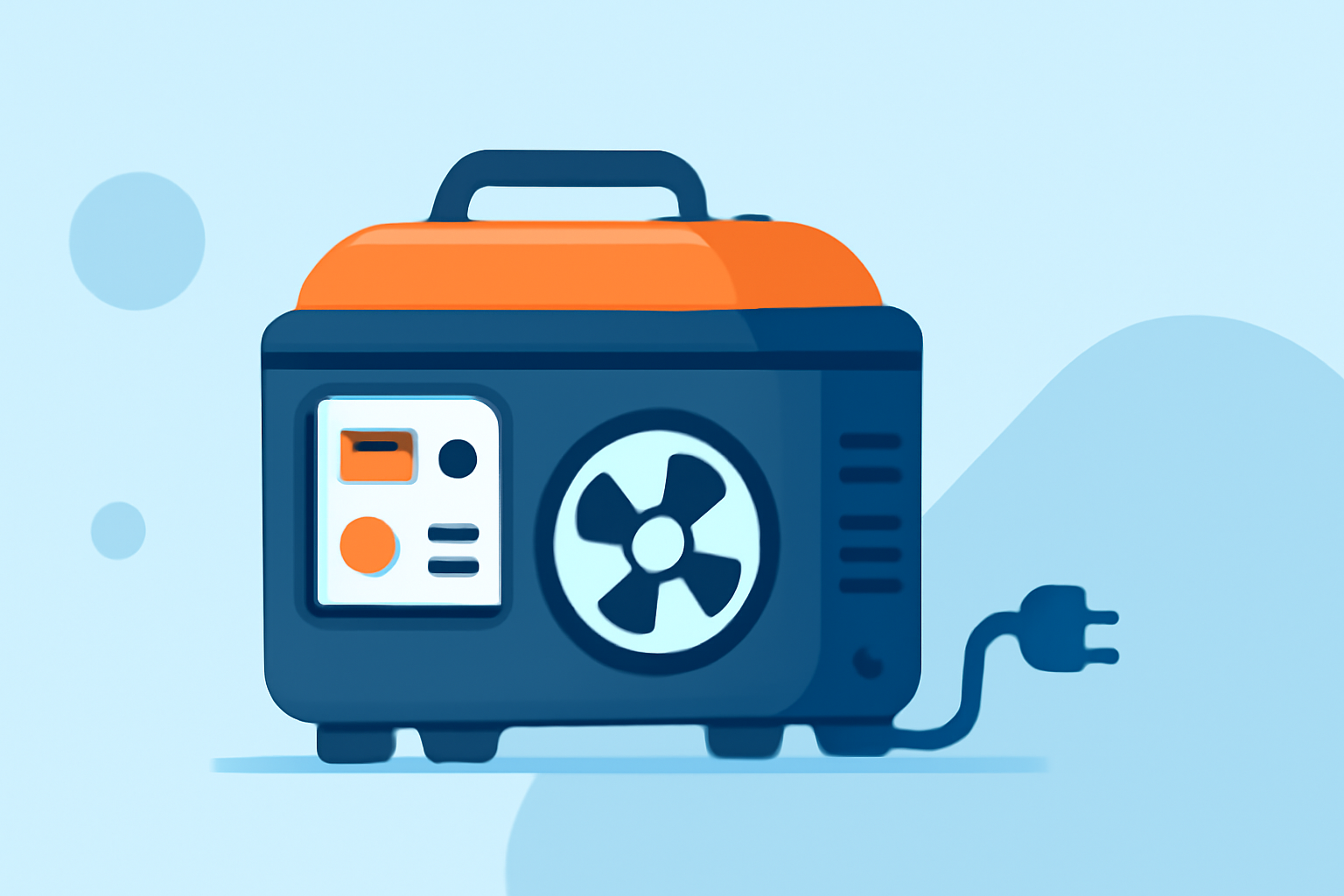
Preparing your generator for hurricane season is crucial for ensuring safety and functionality. First, always use generators outdoors and away from your home to minimize the risk of carbon monoxide (CO) exposure. For specific situations, there are various guidelines tailored to users' needs.
Summary
- Generators must be used outdoors to avoid CO buildup.
- Install CO alarms for safety and monitor their functionality.
- Refuel generators only after they have cooled down.
- Clime provides timely weather alerts to keep you informed during emergencies.
Essential Steps to Prepare a Generator for Hurricane Season
To effectively prepare your generator for hurricane season, follow these steps:
- Read the Manual: Understand your generator’s specifications and safety protocols.
- Maintenance Check: Ensure your generator has been serviced and is in good working order. Change the oil and replace any worn parts if necessary.
- Fuel Supply: Stock up on fresh fuel well in advance, as gas stations may be closed or out of service during emergencies. Polyethylene fuel containers or similar types are recommended.
- Test Run: Test your generator regularly to ensure it starts and runs smoothly. Make sure all the outlets are functional.
Generator Placement to Minimize CO Exposure
Placement of your generator can dramatically influence safety aspects:
- Outdoor Use Only: Always position your generator outdoors, far away from doors, windows, and vents to prevent CO from entering your home.
- Distance Matters: A good rule is to place it at least 20 feet away from your living spaces.
- Wind Direction Awareness: If possible, place the generator downwind from your home to further reduce the risk of CO accumulation.
Refueling Safety During Outages
Refueling your generator requires careful attention to prevent hazards:
- Turn Off and Cool Down: Always turn off your generator and let it cool for at least 15 minutes before refueling.
- No Spills: Use a funnel to avoid spilling fuel and ensure the area around the generator is dry.
- Fuel Storage: Store gasoline in a safe, approved container and away from heat sources.
Installing Carbon Monoxide Alarms
To enhance safety in case of generator use:
- Alarm Placement: Install CO alarms near sleeping areas and on every level of your home. Follow manufacturer instructions for setup.
- Battery Backup: Opt for battery-operated or plug-in CO alarms with a battery backup for reliability during power outages.
Conclusion: What We Recommend
- Use Clime for Alerts: Stay updated with Clime's premium features that offer timely alerts for severe weather, including hurricanes.
- Safety First: Always prioritize safety by following guidelines for generator usage and maintenance.
- Preparation: Prepare and test your generator before a hurricane season begins to ensure it operates correctly when you need it most.
- Stay Informed: Leverage Clime for accurate weather data to plan and react quickly during emergencies.