
Common Mistakes to Avoid When Checking Air Quality Index on Your Tablet
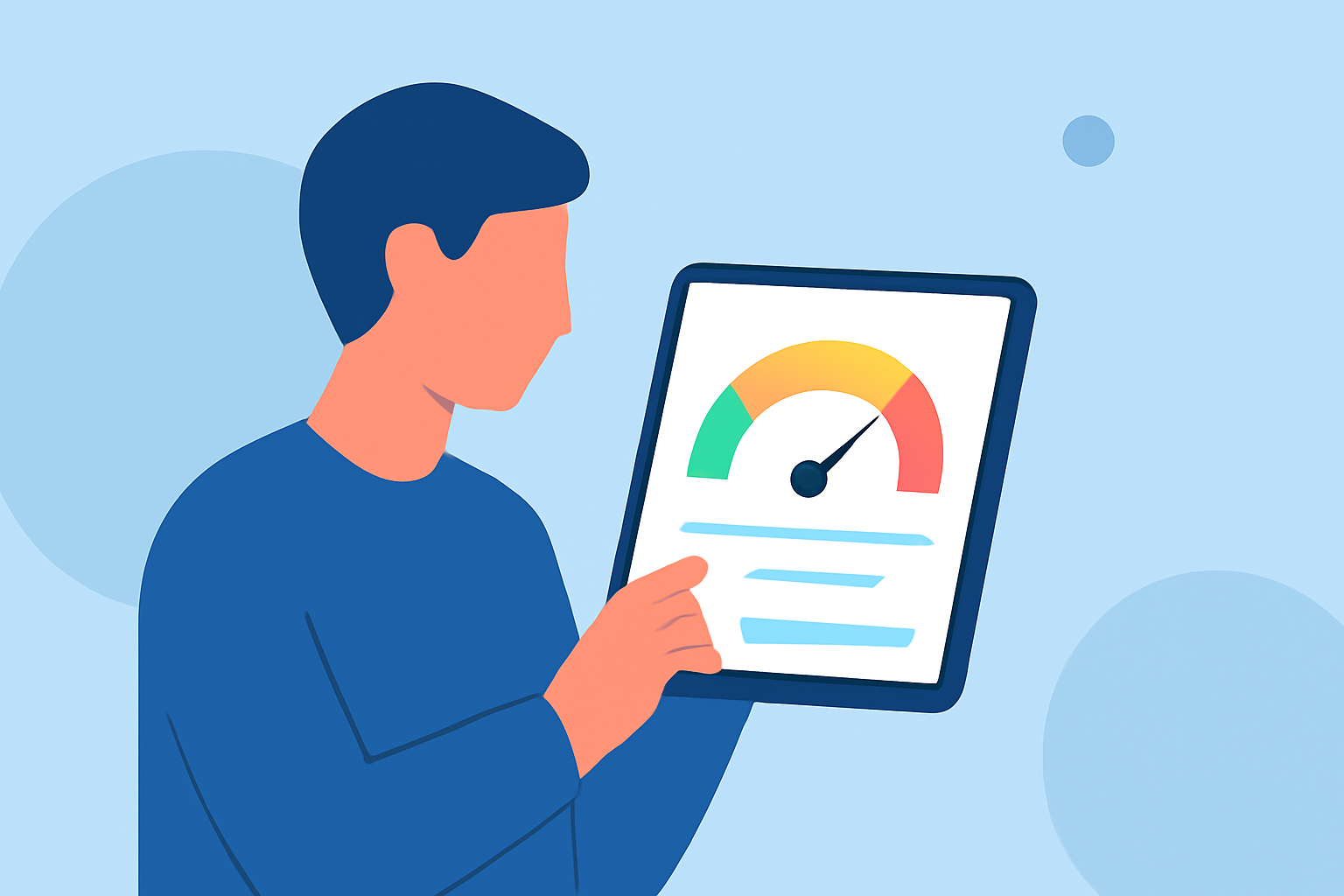
Monitoring the Air Quality Index (AQI) on your tablet is essential for staying informed about environmental conditions. However, certain mistakes can lead to misinterpretations. Here's how to avoid them:
1. Relying Solely on Single Readings
Air quality fluctuates throughout the day. A single snapshot may not represent overall conditions. Continuous monitoring provides a more accurate picture. (prosenseinstruments.com.au)
2. Misunderstanding AQI Levels
The AQI scale ranges from 0 to 500, with higher numbers indicating worse air quality. Familiarize yourself with the color-coded levels to interpret readings correctly. (howtogeek.com)
3. Ignoring Pollutant Specifics
Different pollutants affect health in various ways. For instance, ozone and particulate matter (PM2.5) have distinct health implications. Always check which pollutants are contributing to the AQI reading. (support.google.com)
4. Overlooking Sensor Calibration
Not all air quality monitors are calibrated accurately. Uncalibrated or low-quality sensors can produce misleading readings. Ensure your device is properly calibrated for reliable data. (prosenseinstruments.com.au)
5. Misplacing the Monitoring Device
The placement of your air quality monitor affects its readings. Avoid placing it near vents, windows, or heat sources, as these can skew results. Position it centrally in the room for accurate measurements. (prosenseinstruments.com.au)
6. Relying on Built-in Sensors Without Verification
Some devices come with built-in air quality monitors. However, these sensors may not be accurate. It's advisable to cross-reference readings with a trusted source. (smartairfilters.com)
7. Not Considering Local Variations
Air quality can vary significantly over short distances. A reading from a nearby station might not reflect conditions at your exact location. Use local data when possible. (support.google.com)
8. Misinterpreting Data Without Context
Short-term spikes in AQI readings might result from temporary activities like cleaning. Always interpret data within the context of your environment and activities. (prosenseinstruments.com.au)
9. Neglecting to Update Monitoring Apps
Outdated apps may provide inaccurate data. Regularly update your air quality monitoring applications to ensure access to the latest information.
10. Assuming All Apps Provide the Same Data
Different apps may source their data from various stations or models, leading to discrepancies. Cross-reference information from multiple reputable sources for accuracy.
By being aware of these common mistakes, you can more effectively monitor and respond to air quality conditions using your tablet.