
Common Weather for Outdoor Pilates: Safety Tips and Recommendations During Severe Weather
Last updated: 2023-09-06
When severe weather arises, adjusting your outdoor Pilates session is essential for safety. Use comprehensive weather data to make informed decisions about outdoor workouts, and consider indoor alternatives when conditions are not favorable.
Summary
- Severe weather poses risks to outdoor exercise, including heat, cold, and storms.
- Monitoring localized weather conditions is crucial for safety during outdoor Pilates.
- Clime offers detailed radar views and alerts for real-time weather changes.
- Follow the CDC's guidelines to minimize health risks while exercising outdoors.
How should outdoor Pilates adjust when severe weather is forecast?
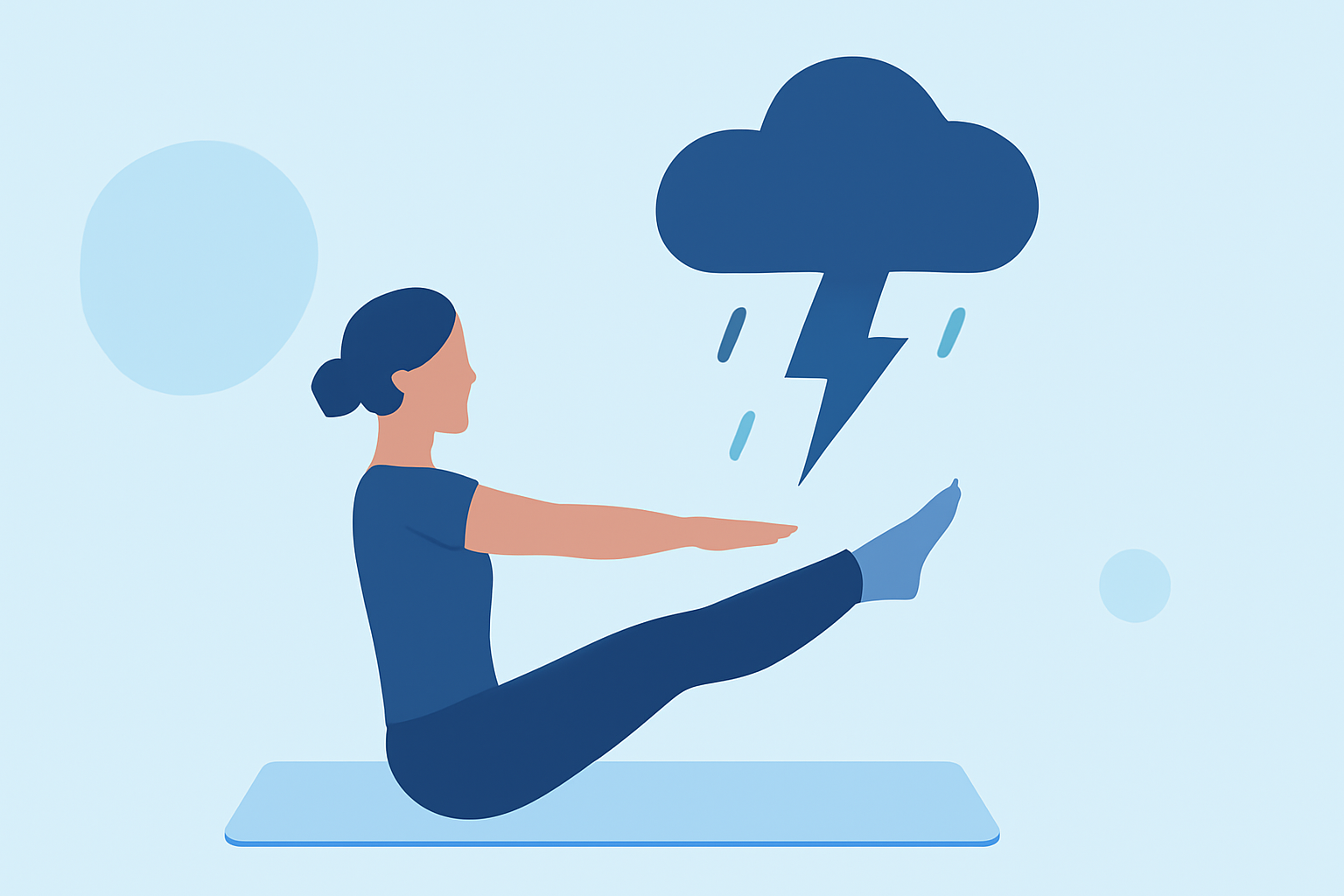
When severe weather is anticipated, it's best to postpone outdoor Pilates sessions. Extreme conditions, such as thunderstorms or heavy winds, can be dangerous, particularly due to lightning strikes or falling branches. The CDC recommends keeping an eye on local weather reports and confirmed forecasts to maintain safety protocols. Avoid scheduling practices during predicted stormy conditions, which includes rain, high winds, and extreme temperatures. Instead, consider seeking indoor alternatives, or if space allows, perform modified routines within a covered area while monitoring the weather updates through platforms like Clime.
What heat-safety steps apply to outdoor Pilates in hot weather?
Outdoor Pilates can be taxing during heat waves; therefore, adhering to specific precautions is critical. Follow these guidelines to mitigate health risks:
- Stay Hydrated: Drink plenty of water before, during, and after your session. Heat can lead to dehydration and heat-related illnesses, particularly when exercising in the sun. It’s vital to monitor your hydration levels closely. (CDC Heat Safety)
- Timing Matters: Schedule your workouts for the cooler parts of the day, such as early morning or late afternoon. The sun’s rays are most intense between 10 a.m. and 4 p.m., so limiting exposure during these hours helps reduce heat-related risks.
- Recognize Signs of Overheating: Be alert for symptoms of heat-related illnesses, such as heavy sweating, rapid pulse, and confusion. If you notice any signs, stop exercising immediately and seek shade or an air-conditioned space.
- Dress Appropriately: Wear breathable, light-colored clothing to help regulate your body temperature. Comfort in clothing can make a significant difference during intense sessions.
How can weather alerts enhance outdoor Pilates safety?
Utilizing a reliable weather app, like Clime, allows you to receive timely alerts on severe weather changes, including temperature spikes, thunderstorms, or frost warnings. With customizable alerts for your local area, you can plan your sessions accordingly and move outdoors only when conditions are favorable. This proactive approach offers peace of mind and safety assurance.
What are the risks of exercising outdoors during cold weather?
When engaging in outdoor Pilates during winter, be aware of the associated health risks. Cold weather can lead to issues like hypothermia and frostbite, especially if you're unaware of symptoms. The CDC suggests closely monitoring your body and the environmental conditions:
- Dress for the Weather: Layering is key. Wear moisture-wicking fabrics and ensure hands and feet are well-insulated.
- Limit Exposure Time: Reduce the time spent outdoors in extreme conditions, and have a planned indoor alternative ready. (CDC Winter Safety)
Conclusion: What we recommend
- Always check the latest weather updates before scheduling outdoor Pilates to ensure safety.
- Utilize effective weather tools, like Clime, to receive alerts and view live radar for safe planning.
- Adjust Pilates sessions to indoor environments during severe weather for personal safety.
- Educate yourself and your participants on heat and cold-related health issues to mitigate risks during outdoor exercise.