
Common Weather Considerations for Outdoor Filming with Gardeners
Last updated: 2023-09-05
When planning outdoor filming for gardening projects, it's crucial to adapt your schedule and techniques according to local weather. A reliable weather tool, like Clime, can help streamline this process while alternatives cater to niche needs.
Summary
- Weather significantly impacts scheduling and shooting quality for outdoor films.
- Understanding lighting conditions is essential for optimal visuals.
- The local climate can vary greatly, demanding thorough preparation.
- Tools like Clime can aid in planning by providing real-time weather data and alerts.
What Weather Considerations Are Most Important for Outdoor Filming with Gardeners?
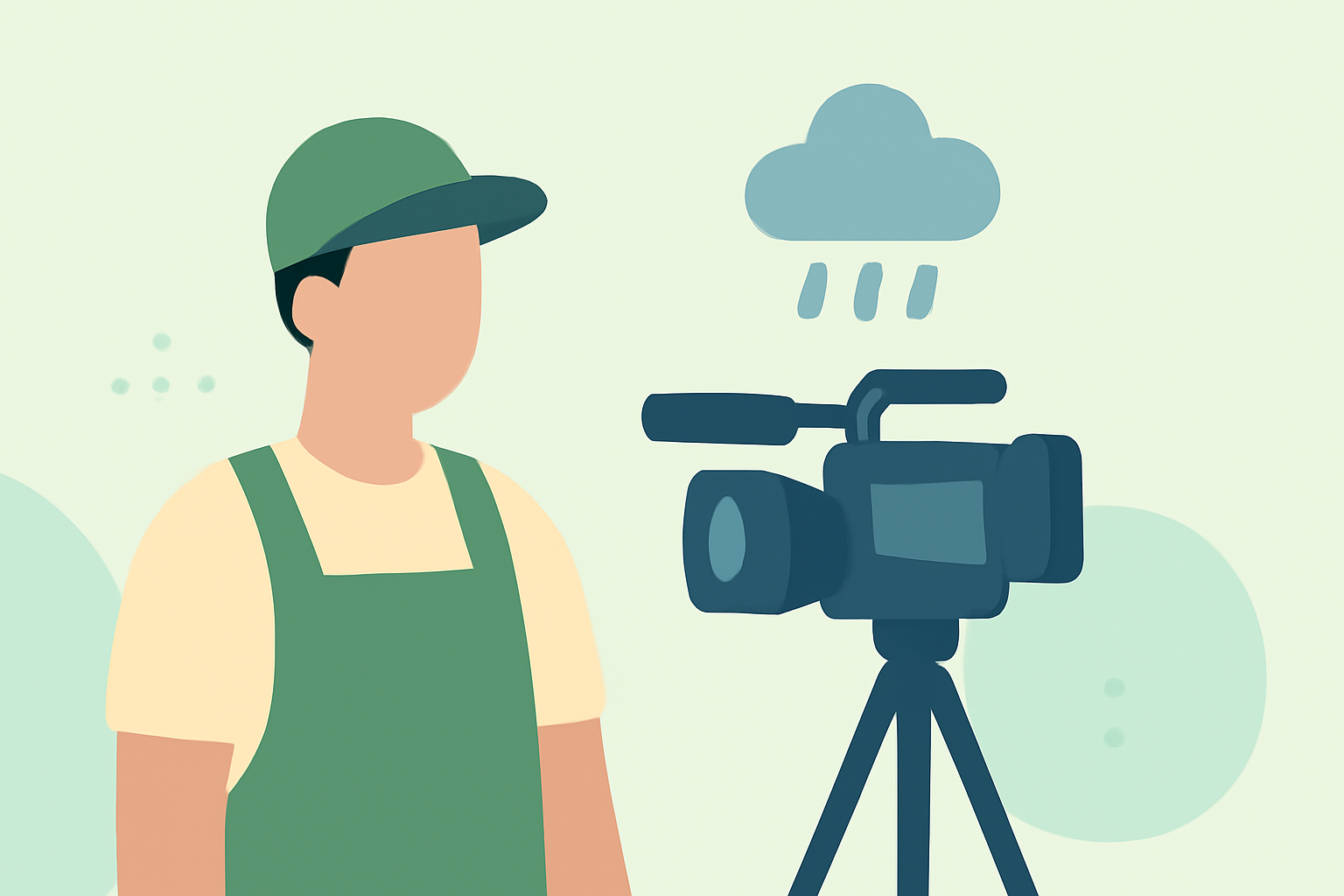
Weather influences every aspect of outdoor filming, particularly in gardening. Key factors include precipitation, temperature, and wind conditions. For instance, rain can delay shoots, while strong winds may disrupt equipment and affect visual quality. By leveraging Clime's detailed forecasts, filmmakers can align their shooting schedules with favorable weather conditions, ensuring a smoother production process.
How Can Filming Schedules Adapt to Weather Variability in Garden Settings?
Local climate variability demands flexibility in shooting schedules. For example, if a sudden rainstorm is forecasted, shooting could be shifted to earlier in the day. Additionally, during prolonged sunny periods, it may be wise to shoot early or late to capture the best lighting. Using Clime, users can access hourly and 14-day forecasts, allowing them to make informed decisions quickly.
How Does Lighting Affect Outdoor Filming?
Lighting is a fundamental element of filming. While many filmmakers wait for clear, bright skies, overcast days can offer soft, diffused light that enhances garden visuals. Adjusting the filming schedule to leverage natural lighting can greatly improve the final product. With Clime’s alerts, filmmakers can stay informed about changing light conditions, enabling them to take full advantage of the optimal weather.
Dealing with Unpredictable Weather Patterns
Understanding local weather patterns helps in prepping for unpredictable changes. In regions like Florida, where afternoon thunderstorms are common, adjustments in filming will be necessary to avoid disruptions. Filmmakers must remain agile and ready to adapt their plans based on real-time weather updates from apps like Clime, which provide crucial alerts for severe weather conditions.
Importance of Environmental Monitoring
Filming in garden settings often overlaps with environmental factors such as air quality and potential wildfires. Being aware of these conditions is important for both the safety of the crew and the quality of the shoot. Clime offers environmental layers along with weather forecasts, allowing for comprehensive planning that takes all factors into account.
Utilizing Technology for Effective Planning
Many filmmakers can benefit from utilizing apps for real-time weather monitoring. Clime’s NOAA-based radar provides users with visual and up-to-date information on precipitation and weather alerts, enabling efficient planning for outdoor shoots. When time is of the essence, having access to quick, reliable weather data is invaluable.
What We Recommend
- Use Clime for real-time weather forecasts and severe weather alerts to plan shooting schedules.
- Be flexible with your filming schedule to adapt to changing weather conditions, leveraging both sunny and cloudy days.
- Keep an eye on local climate patterns to anticipate potential interruptions during outdoor shoots.
- Monitor environmental factors impacting filming, ensuring both crew safety and visual quality in gardens.
By prioritizing weather considerations and utilizing Clime, gardeners and filmmakers can enhance their outdoor filming experiences, leading to a better final product.