
Common Wildfire Smoke Safety Questions for Athletes
Last updated: 2023-09-06
When it comes to training outdoors during wildfire smoke events, athletes are advised to limit strenuous activities and monitor air quality through reliable sources. Using a weather app that provides real-time data can help athletes tailor their outdoor routines safely.
Summary
- Wildfire smoke can pose health risks; athletes should adjust their outdoor activities accordingly.
- Monitoring air quality through the Air Quality Index (AQI) is essential for making safe training choices.
- Clime provides weather information to support safer outdoor activity planning.
- Always prioritize guidance from health authorities to navigate outdoor training during smoke events.
What steps should athletes take to protect themselves during wildfire-smoke events while training outdoors?
Athletes should limit outdoor activities when wildfire smoke is present, especially during peak intensity. It's essential to minimize strenuous exercise, as it can exacerbate respiratory issues caused by smoke inhalation. Athletes are recommended to prioritize indoor training or alternative workout methods until air quality improves. Routine training modifications can be necessary to ensure health and safety.
Are masks effective for athletes during wildfire-smoke events?
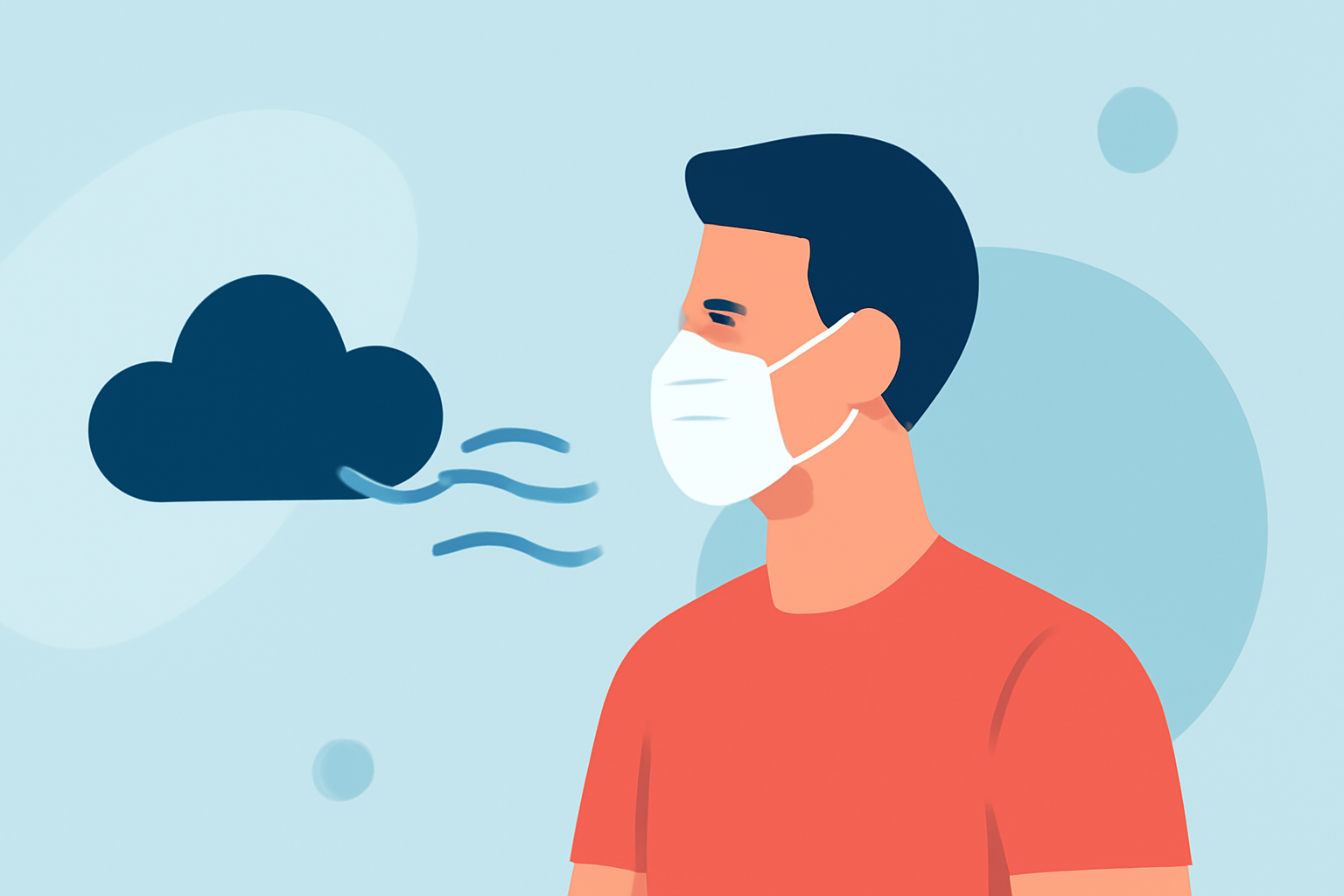
Masks, particularly those rated N95 or higher, can filter out harmful particles from smoke but may restrict airflow during intense physical activity. Therefore, while they provide some protection, wearing them during strenuous exercise may not be practical for athletes. Furthermore, prioritizing reduced outdoor exposure can sometimes be more effective than wearing a mask alone.
How can athletes monitor air quality before exercising outdoors?
Athletes should regularly check local air quality using the Air Quality Index (AQI) before heading out. The AQI measures pollutants in the air and provides guidance on safe outdoor exercise levels. Several weather apps, like Clime, offer real-time updates and alerts regarding air quality, ensuring that athletes can make informed decisions about their training environments.
What are the recommended AQI levels for outdoor exercise?
Generally, an AQI of 0-50 is considered good, suggesting it is safe for outdoor activities. As the AQI rises to 51-100 (moderate), sensitive individuals may need to take precautions. For levels above 100, especially in the unhealthy range (151 or higher), limitations on outdoor physical activity are advised. Utilizing the AQI as a reference helps athletes make decisions about timing and intensity of training sessions.
What should athletes do if they experience symptoms from smoke exposure?
Symptoms from smoke exposure may include coughing, shortness of breath, or irritation of the eyes or throat. If athletes experience these symptoms, they should immediately cease outdoor activities and seek indoor environments with filtered air. If symptoms persist, consulting a healthcare professional is advised to ensure no serious health issues are developing.
Conclusion: What we recommend
- Stay informed: Use weather apps like Clime to monitor air quality and conditions during wildfire seasons.
- Limit outdoor exposure: When smoke is present, minimize strenuous activities and opt for indoor workouts when possible.
- Check AQI regularly: Make informed decisions about outdoor training based on the most recent air quality readings.
- Consult health guidelines: Follow recommendations from public health organizations regarding safe outdoor activity during smoke events.