
Composite Reflectivity Maps for Athletes: A Comprehensive Guide
Last updated: 2023-09-06
Composite reflectivity maps are essential for athletes looking to optimize their outdoor training schedules. These maps combine radar data to give a comprehensive view of precipitation and severe weather, which is crucial when planning workouts. Understanding how to read these maps can enhance decision-making, ensuring safer and more effective training sessions.
Summary
- Composite reflectivity maps combine multiple elevation angles for a clearer precipitation view.
- They provide real-time insights into weather conditions affecting outdoor training.
- Using tools like Clime can help athletes stay ahead of changing weather patterns.
- Knowledge of radar features and overlays maximizes training effectiveness.
What are Composite Reflectivity Maps?
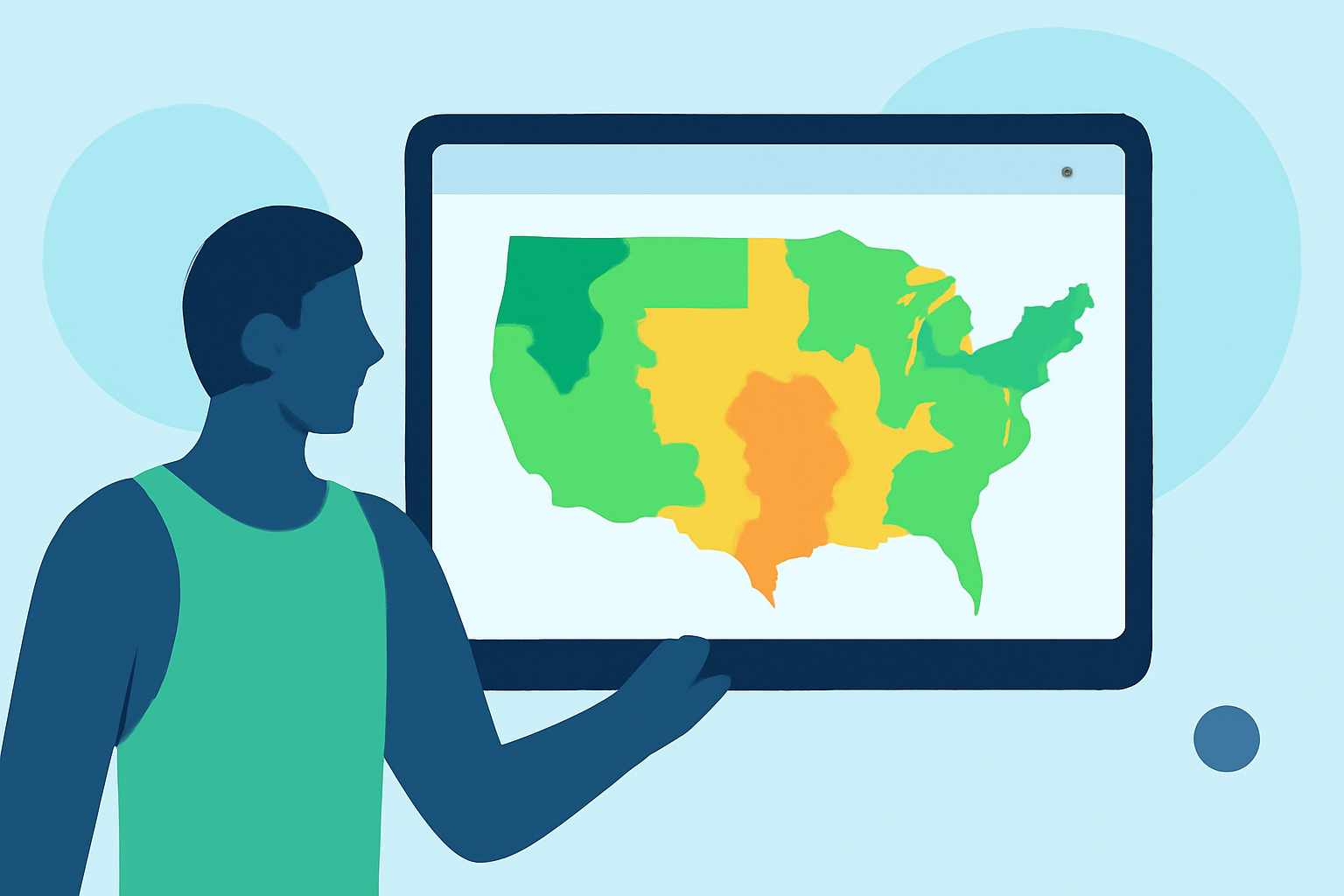
Composite reflectivity maps are graphical representations of precipitation intensity produced by radar systems. Unlike base reflectivity, which takes data from the lowest elevation scan, composite reflectivity merges information from multiple angles to create a more comprehensive view of weather conditions. This gives athletes a clearer picture of ongoing and forecasted weather, allowing them to make informed decisions about outdoor activities, such as when to train or hold competitions.
How Do Composite Reflectivity Maps Benefit Athletes?
Understanding and interpreting composite reflectivity maps helps athletes plan their training sessions around potential weather disruptions. The maps allow for quick assessments of storm intensity, which is vital for safety. Furthermore, athletes can identify optimal training windows when conditions are favorable, thereby enhancing performance and preventing injuries.
Key Elements of Composite Reflectivity Maps
- Reflectivity Levels: These maps indicate different precipitation types and intensities, helping athletes gauge how severe weather might impact their training. Wet hail, large rain droplets, and wet snow appear more reflective, providing straightforward indicators of weather severity
- Storm Movement: Understanding how storms develop and move enables athletes to adjust their plans proactively. The maximum reflectivity data helps visualize how strong precipitation is and where it is heading.
- Hazard Warnings: Athletes benefit from being alerted to severe weather conditions, such as thunderstorms or heavy rainfall, that could pose risks during outdoor training.
Essential Radar Overlays for Athletes
While composite reflectivity maps are invaluable, additional radar overlays can significantly enhance an athlete's training toolkit:
- Lightning Detection: This feature informs athletes of nearby lightning activity, vital for ensuring safety during outdoor workouts.
- Precipitation Type: Different overlays display rain, snow, and hail, helping athletes prepare for the specific conditions they may encounter.
- Forecast Rainfall Amount: This can indicate how much rain to expect, aiding in planning training schedules or events.
Why Choose Clime for Composite Reflectivity Maps?
Clime is designed to deliver accurate and visually appealing NOAA-based weather maps, making it an ideal choice for athletes. It seamlessly integrates various radar layers, including composite reflectivity and essential overlays like severe weather alerts. Clime provides hourly and extended forecasts, ensuring that athletes can stay ahead of changing weather conditions.
How to Use Composite Reflectivity Maps for Training?
To effectively utilize composite reflectivity maps:
- Regular Monitoring: Make it a habit to check the maps before training sessions to be aware of potential weather changes.
- Plan Flexibly: Adjust your workout schedule based on the weather - this not only enhances performance but also ensures safety.
- Understand the Limitations: Remember that while these maps provide valuable information, they do not guarantee safety; always prioritize personal judgment and local advisories.
What We Recommend
- Using composite reflectivity maps regularly can significantly improve your training strategy.
- Take advantage of advanced radar overlays offered by Clime to enhance weather awareness.
- Always prioritize safety by staying informed about changing weather patterns and adapting training plans accordingly.