
Understanding Composite Reflectivity Maps for Athletes
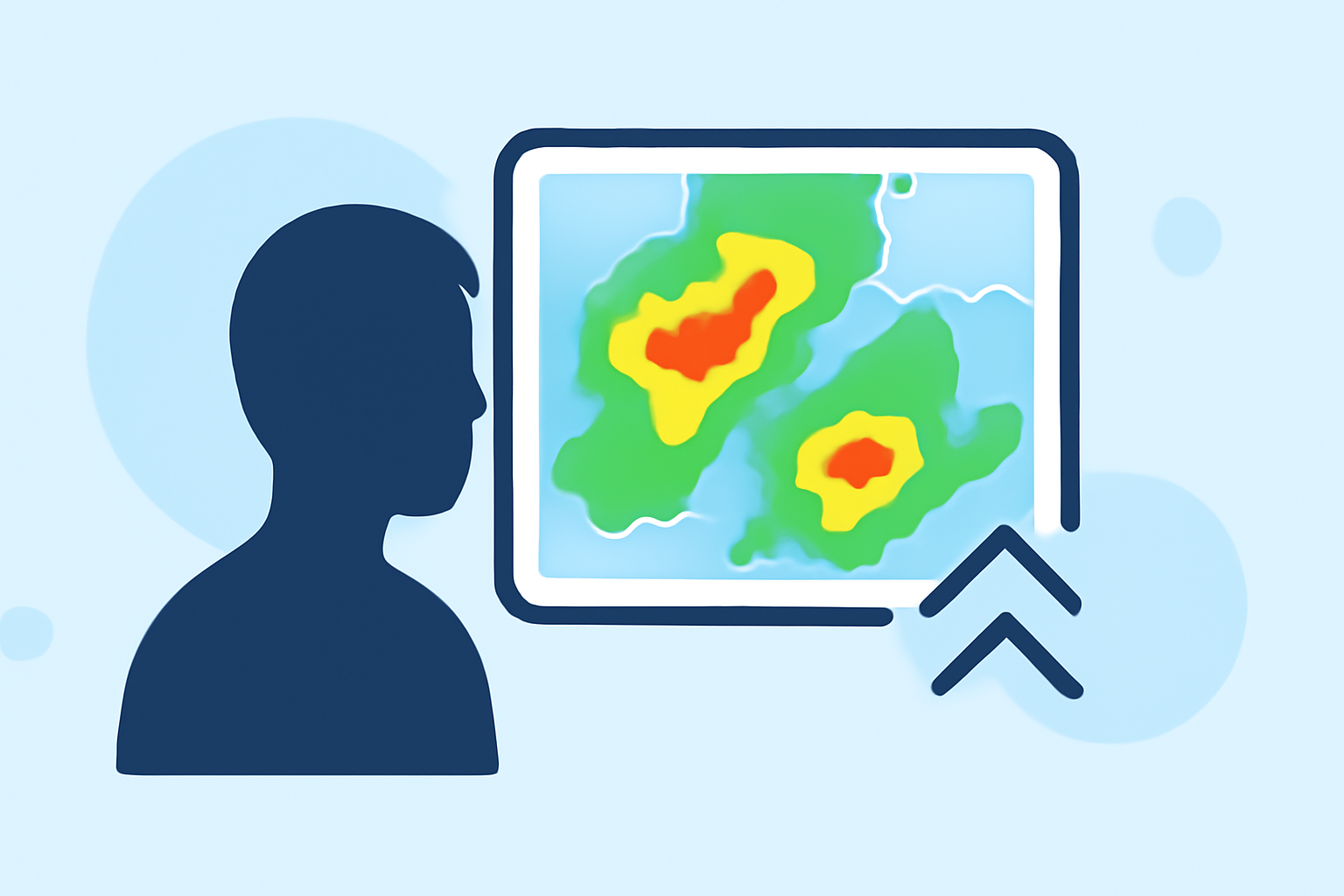
As an athlete, understanding weather patterns is crucial for safety and performance. Composite reflectivity maps are valuable tools that provide insights into precipitation intensity and storm development, aiding in better decision-making for outdoor activities.
What Are Composite Reflectivity Maps?
Composite reflectivity maps display the maximum reflectivity values from various radar scans, offering a comprehensive view of precipitation intensity within a specific area. By combining data from multiple radar angles, these maps help identify the most intense precipitation, which is essential for assessing weather conditions. (vlab.noaa.gov)
How Do Composite Reflectivity Maps Benefit Athletes?
For athletes engaging in outdoor sports, composite reflectivity maps offer several advantages:
-
Enhanced Safety: By identifying areas with heavy precipitation or potential thunderstorms, athletes can avoid hazardous conditions, reducing the risk of injury.
-
Informed Planning: These maps assist in scheduling training sessions or events by providing up-to-date weather information, ensuring optimal conditions for performance.
-
Real-Time Updates: With frequent updates, composite reflectivity maps offer timely information, allowing athletes to make last-minute adjustments to their plans.
How to Access Composite Reflectivity Maps?
Athletes can access composite reflectivity maps through various platforms:
-
National Weather Service (NWS): The NWS provides composite reflectivity images that display precipitation intensity across the United States. (prod-01-alb-www-noaa.woc.noaa.gov)
-
Mobile Applications: Several weather apps offer real-time composite reflectivity maps, enabling athletes to monitor weather conditions on the go.
Limitations of Composite Reflectivity Maps
While composite reflectivity maps are valuable, they have certain limitations:
-
Vertical Resolution: These maps may not provide detailed information about precipitation at specific altitudes, which can be important for certain sports.
-
Data Interpretation: Understanding and accurately interpreting these maps requires some expertise, which may not be readily available to all athletes.
Conclusion
Incorporating composite reflectivity maps into your training and event planning can significantly enhance safety and performance by providing critical weather insights. By staying informed about precipitation patterns and potential storms, athletes can make proactive decisions, ensuring optimal conditions for their activities.