
Understanding Composite Reflectivity Maps on Your iPad
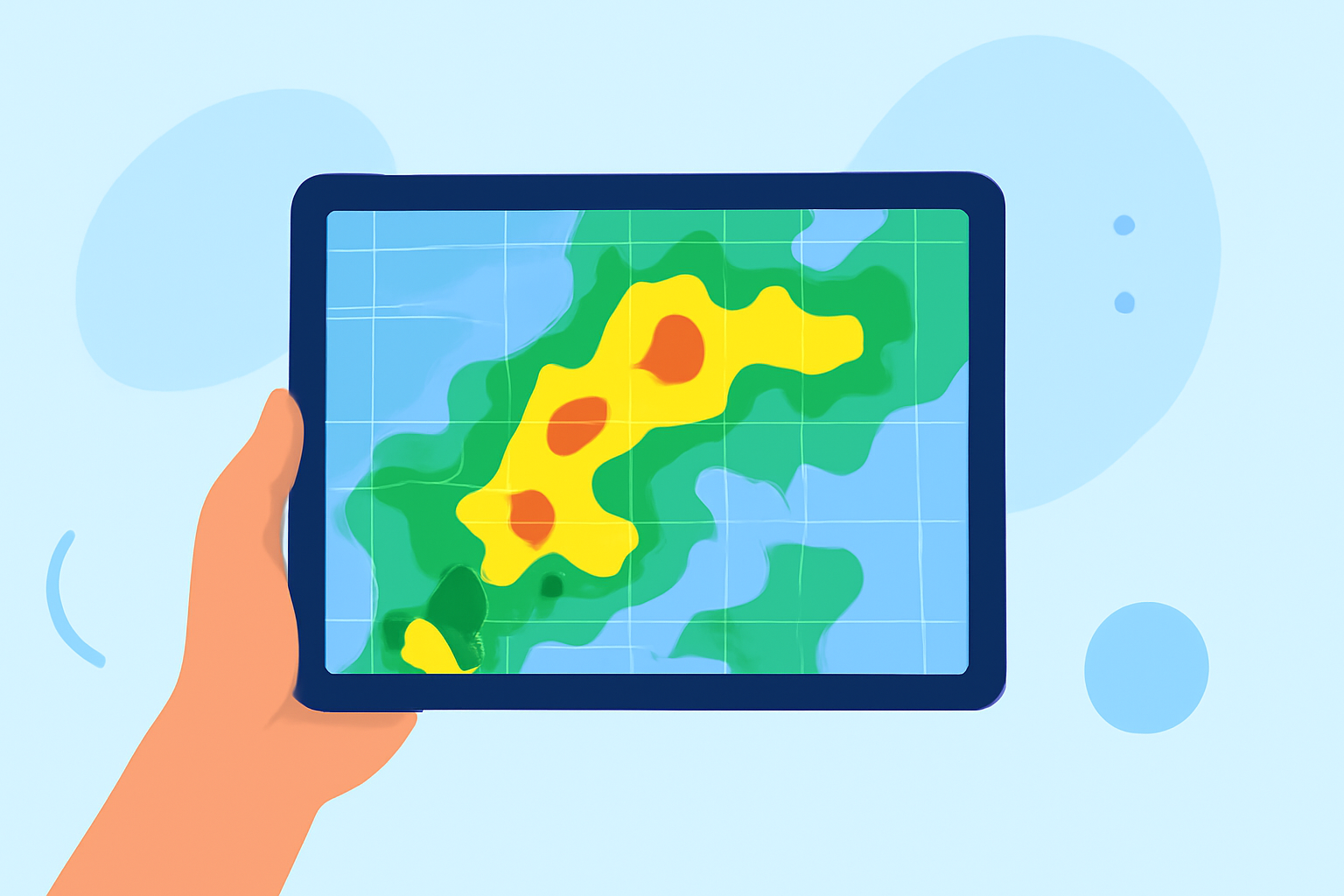
Composite reflectivity maps are essential tools for analyzing precipitation patterns and storm structures. These maps display the maximum reflectivity values from various radar scans, providing a comprehensive view of weather conditions. Accessing and interpreting these maps on your iPad can significantly enhance your weather forecasting capabilities.
What Are Composite Reflectivity Maps?
Composite reflectivity maps represent the highest reflectivity values detected by weather radars at different angles. By combining data from multiple radar scans, these maps offer a detailed depiction of precipitation intensity and storm development. This comprehensive view is crucial for understanding weather patterns and making informed forecasting decisions. (en.wikipedia.org)
How to Access Composite Reflectivity Maps on Your iPad
To view composite reflectivity maps on your iPad, consider using specialized weather applications that provide high-resolution radar imagery. These apps often include features such as severe weather warnings, storm tracking, and detailed precipitation forecasts. By utilizing these tools, you can access real-time composite reflectivity maps and stay informed about current weather conditions.
Interpreting Composite Reflectivity Maps
When analyzing composite reflectivity maps, pay attention to areas with high reflectivity values, as they indicate intense precipitation or severe weather conditions. Understanding the spatial distribution of these values can help in predicting storm movement and potential impacts. Regularly reviewing these maps enhances your ability to anticipate weather changes and make timely decisions.
Benefits of Using Composite Reflectivity Maps on Your iPad
Accessing composite reflectivity maps on your iPad offers several advantages:
-
Real-Time Updates: Stay informed with the latest weather data, enabling timely responses to changing conditions.
-
User-Friendly Interface: Intuitive designs make it easy to navigate and interpret complex weather information.
-
Comprehensive Data: Access to a wide range of radar products and forecasts enhances your understanding of weather patterns.
Conclusion
Utilizing composite reflectivity maps on your iPad is a valuable tool for anyone interested in weather forecasting. By understanding and interpreting these maps, you can gain deeper insights into precipitation patterns and storm dynamics, leading to more accurate and timely weather predictions.