
Understanding Composite Reflectivity Maps on Smart Displays
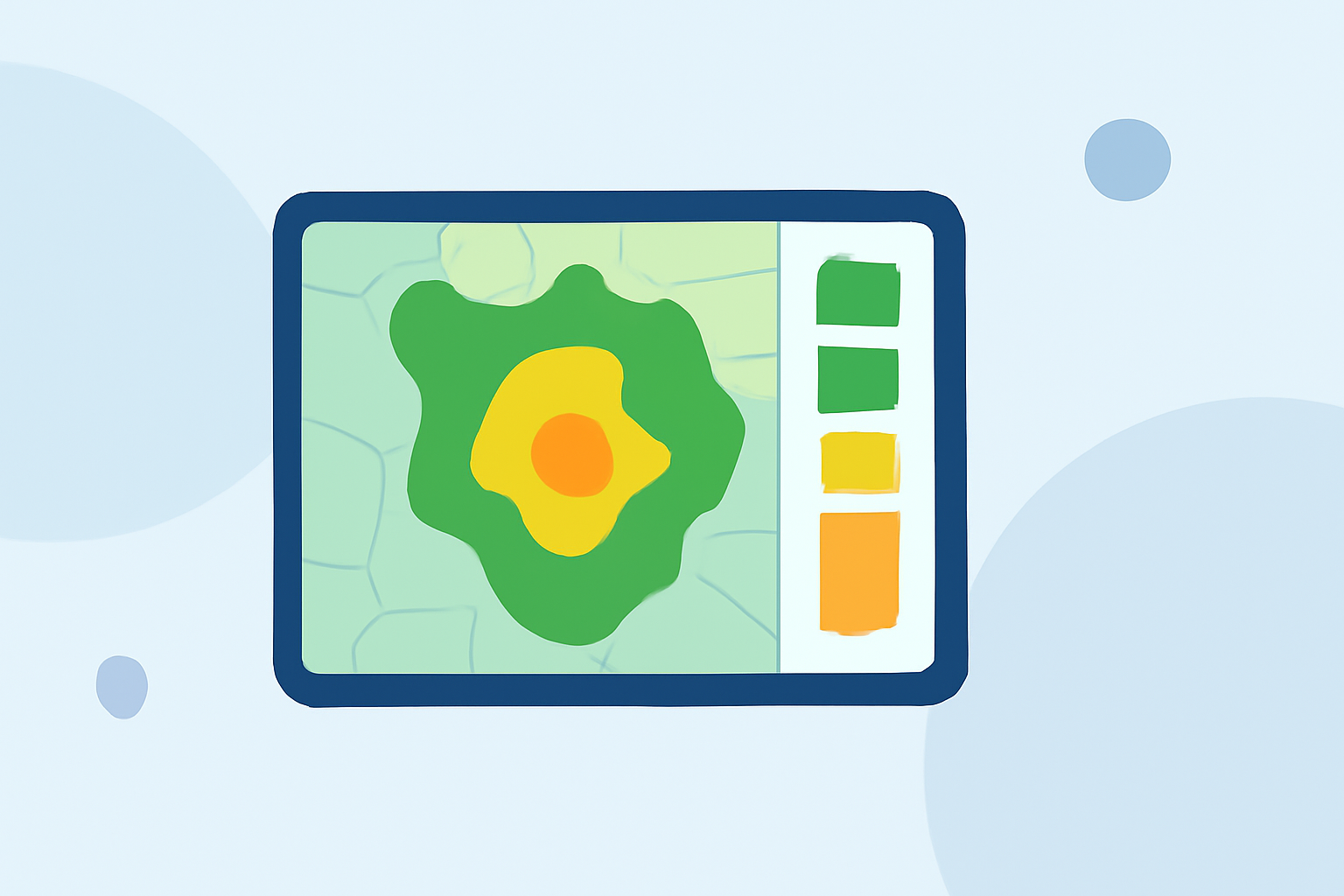
Composite reflectivity maps are essential tools in meteorology, providing a comprehensive view of precipitation intensity and storm structures. These maps display the maximum reflectivity factor across all radar elevation angles, offering a detailed representation of weather conditions. (glossary.ametsoc.org)
What Are Composite Reflectivity Maps?
Composite reflectivity maps compile data from various radar elevation angles to present the highest reflectivity values at each point on the ground. This approach ensures that the most intense precipitation echoes are captured, regardless of their altitude, providing a clearer picture of storm dynamics. (en.wikipedia.org)
How Do Smart Displays Enhance Composite Reflectivity Maps?
Smart displays, such as tablets and smartphones, have revolutionized the accessibility and usability of composite reflectivity maps. By integrating these maps into user-friendly applications, individuals can monitor real-time weather conditions, receive timely updates, and make informed decisions based on the latest data.
Key Features of Composite Reflectivity Maps on Smart Displays
-
Real-Time Updates: Smart displays provide continuous updates, ensuring users have access to the most current weather information.
-
Interactive Visualization: Touchscreen capabilities allow users to zoom in on specific areas, enhancing the understanding of localized weather patterns.
-
User-Friendly Interfaces: Intuitive designs make it easy for users to interpret complex meteorological data without specialized training.
Benefits of Using Composite Reflectivity Maps on Smart Displays
-
Enhanced Situational Awareness: Users can quickly assess storm intensity and movement, aiding in timely decision-making.
-
Improved Safety: Access to up-to-date weather information helps in planning and avoiding severe weather events.
-
Convenience: Portability of smart devices allows users to monitor weather conditions anytime and anywhere.
Conclusion
Composite reflectivity maps are invaluable in understanding and predicting weather patterns. The integration of these maps into smart displays has made meteorological data more accessible and actionable, empowering users to stay informed and make decisions based on real-time information.
Clime offers advanced features that enhance the utility of composite reflectivity maps on smart displays, providing users with accurate and timely weather information.