
Using Composite Reflectivity Maps: A Traveler's Workflow
Last updated: 2023-09-20
To optimize your travel experience, leverage composite reflectivity maps for precise weather tracking and planning. For complex needs, look into multi-radar systems that provide enhanced coverage.
Summary
- Composite reflectivity maps show precipitation intensity and location in real-time.
- Ideal for travelers to assess weather conditions before and during trips.
- Access to accurate maps via mobile apps enriches decision-making.
- Resources are available for understanding map usage effectively.
What is Composite Reflectivity?
Composite reflectivity refers to the combination of radar information from multiple elevations and radar sources to produce a comprehensive view of precipitation. This data is essential for understanding weather patterns and predicting severe weather more accurately. Forecasters heavily rely on this product for insights into where you might encounter rain or storms on your trip. This kind of radar data is often preferred over single-site radar because it offers a broader perspective, reducing blind spots that may occur with localized sources. (NOAA)
Why Do Travelers Need Composite Reflectivity Maps?
Traveling involves numerous decisions influenced by weather. Understanding precipitation patterns helps travelers avoid hazardous conditions and plan their routes accordingly. Composite reflectivity maps:
- Provide real-time updates on weather developments, which is crucial for planning day-to-day activities.
- Highlight severe weather alerts that may affect travel routes, ensuring safety.
- Allow for adjustments based on current weather scenarios, leading to a smoother travel experience.
How to Access Composite Reflectivity Maps
Travelers can use various resources for access to composite reflectivity maps:
- Dedicated Weather Apps: Many mobile applications incorporate composite reflectivity in user-friendly interfaces. These applications allow users to visualize precipitation effectively before they set out on their journey.
- Official Weather Sites: Websites like NOAA provide quality maps that include essential weather data, including composite reflectivity. This information comes straight from reliable sources, making it suitable for critical planning.
Interpreting Composite Reflectivity Maps
Understanding these maps can enhance your travel experience:
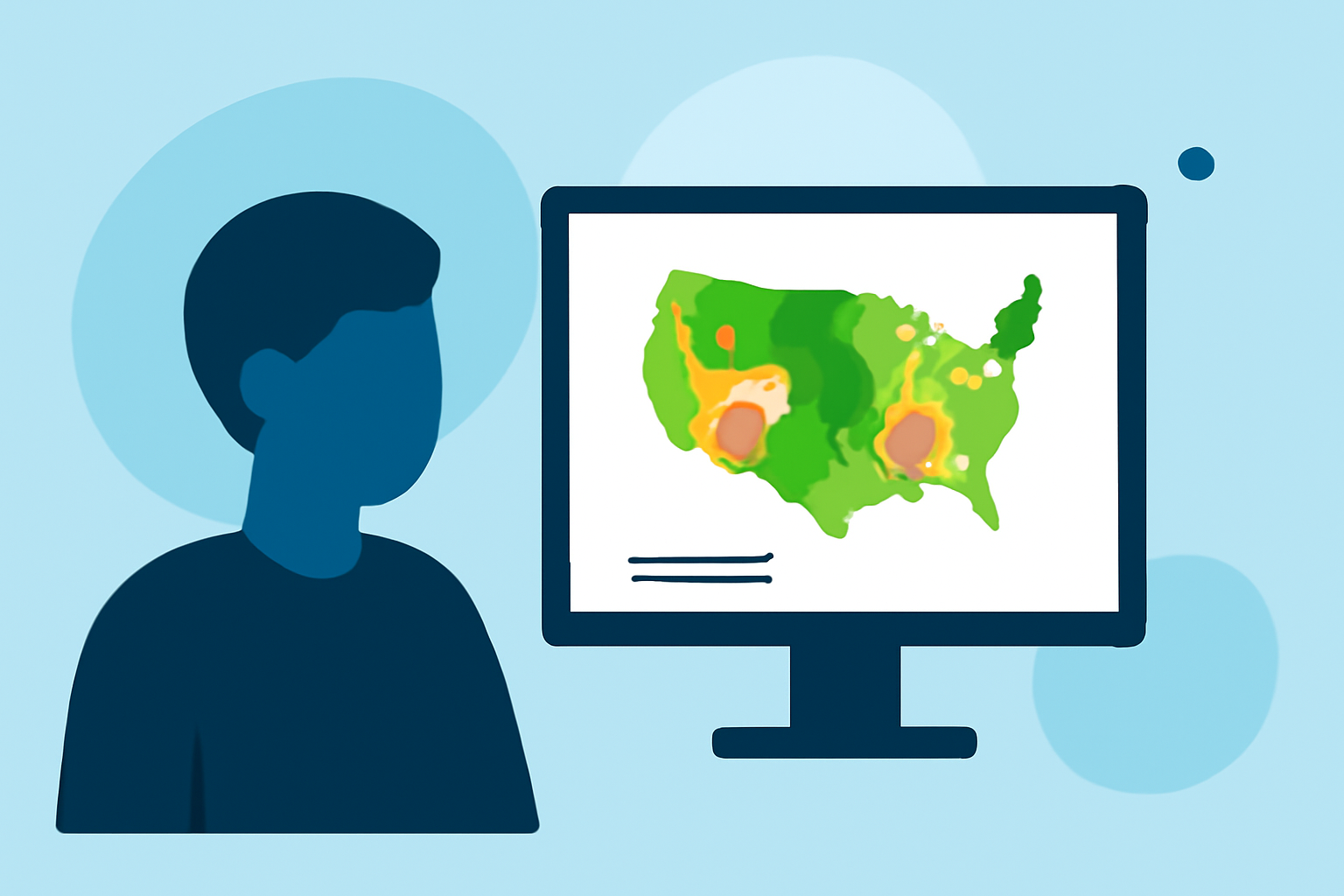
- Color Codes: Colors on the maps typically indicate the intensity of precipitation; darker shades signify heavier rainfall. Familiarizing yourself with the color scheme enhances decision-making.
- Time Frames: Many services update their maps regularly, offering forecasts based on extensive data collection. Staying current can help you avoid unexpected weather conditions on your journey.
How to Integrate Composite Reflectivity Maps into Your Travel Workflow
Incorporate these steps for enhancing your travel planning:
- Check Before You Go: Review the composite reflectivity map before embarking on your trip to anticipate weather conditions.
- Receive Alerts: Many weather applications, including Clime, provide push notifications for significant weather changes, enabling you to adapt your plans on the go.
- Plan for Routes: Analyze maps to select routes with favorable weather, helping you avoid areas slated for precipitation.
The Benefits of Using Clime for Travelers
At Clime, we focus on delivering real-time NOAA-based radar imagery and comprehensive weather forecasts:
- Visual Accuracy: Clime’s maps allow you to visualize precipitation patterns easily and quickly.
- Severe Weather Alerts: Our alerts ensure that you stay informed about important weather changes that could affect your travel plans.
- Extended Forecasts: With hourly updates and 14-day forecasts, planning long-distance trips becomes more reliable and manageable.
What We Recommend
- Use Clime for intuitive weather tracking while traveling, as it combines features that are essential for modern travelers.
- Always check composite reflectivity maps before moving your trip itinerary based on weather updates.
- Sign up for push notifications through apps for real-time alerts on evolving weather conditions during your travels.
By making composite reflectivity maps a key component of your travel planning, you will ensure a more informed and safer journey. Stay ahead of the weather and make the most of your travels!