
A Comprehensive Guide to Cannabis Pollen: Collection, Storage, and Utilization
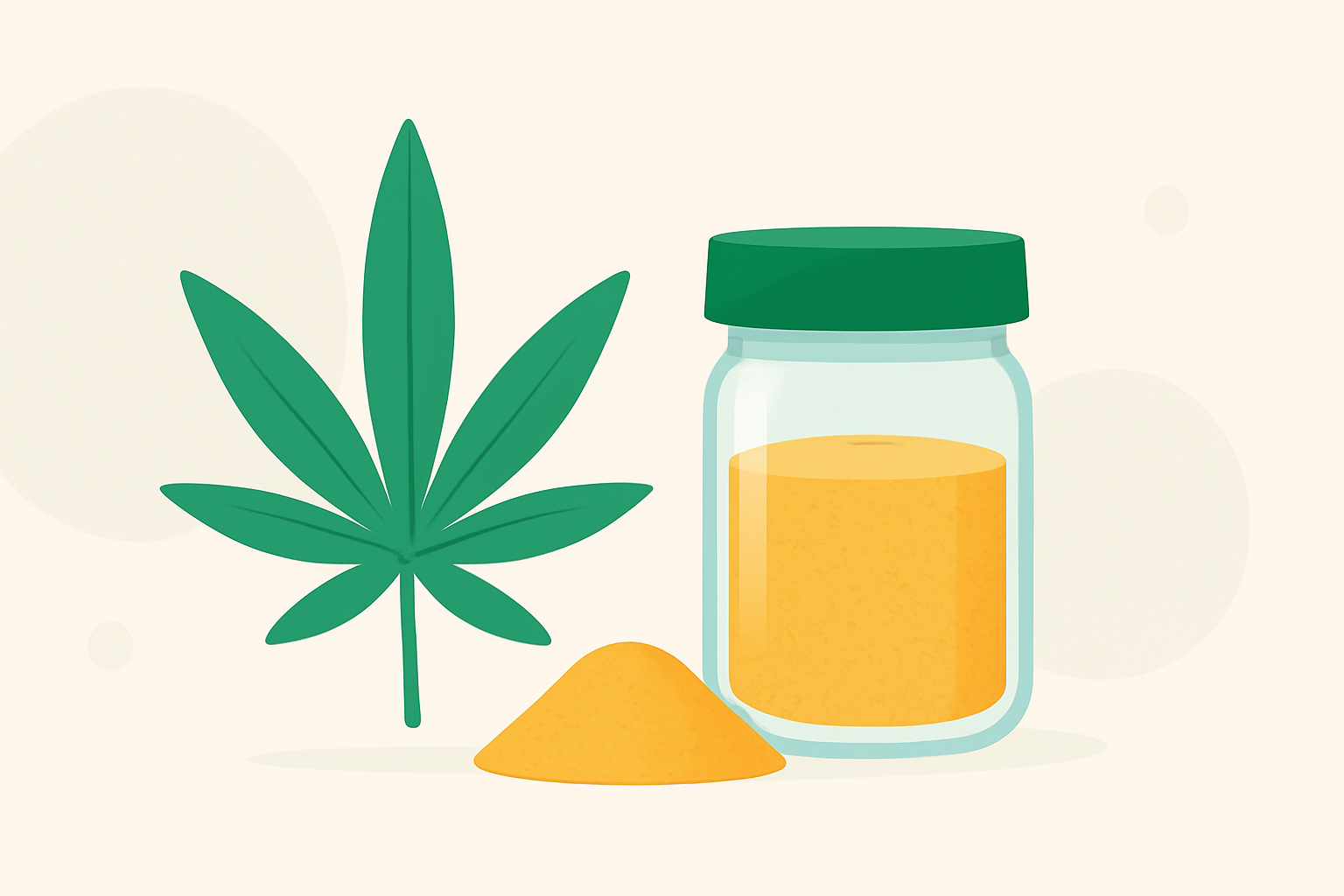
Cannabis pollen is a fine, powdery substance produced by the male cannabis plant's reproductive organs. This pollen contains the genetic material necessary to fertilize female cannabis plants, leading to seed production. Understanding how to collect, store, and utilize cannabis pollen is essential for breeders aiming to preserve genetics or develop new strains.
What Does Cannabis Pollen Look Like?
Cannabis pollen appears as a fine, yellowish powder, similar in texture to cornmeal. It is produced within pollen sacs that develop on male plants. As these sacs mature, they open to release the pollen into the air. (weedmaps.com)
How Is Pollen Transferred in Cannabis Plants?
In natural outdoor environments, pollen is dispersed by wind and, occasionally, by animals. For indoor growers, pollen collection involves manually transferring pollen from male plants to female plants to achieve fertilization. (weedmaps.com)
When Do Male Cannabis Plants Release Pollen?
Male cannabis plants typically release pollen approximately 4 to 5 weeks after flowering begins. At this stage, the pollen is ready to fertilize female plants. (weedmaps.com)
Can You Smoke Pollen from Male Plants?
While it is possible to smoke pollen from male plants, it contains significantly lower levels of THC compared to female flowers. Therefore, it is not a preferred source for achieving a psychoactive effect. (weedmaps.com)
How to Collect Cannabis Pollen
Collecting cannabis pollen requires careful timing and technique to ensure purity and viability.
1. Identifying and Isolating the Male Plant
Begin by identifying a healthy male plant. Male pre-flowers appear at the nodes, typically around four to six weeks after the light cycle is switched to 12/12. These structures are small, round, and bulbous, contrasting with the wispy white hairs, or pistils, that emerge from female pre-flowers. (biologyinsights.com)
2. Timing the Collection
Collect pollen when the pollen sacs start to open, releasing fine yellowish dust. This indicates that the pollen is mature and ready for collection. (growweedeasy.com)
3. Collection Methods
-
Direct Shake Method: Gently tap or shake the open pollen sacs over a clean paper bag or container. Ensure that the area is free from air currents to prevent pollen from dispersing unintentionally. (cannabistraininguniversity.com)
-
Cut Branches Method: Snip off a branch with ripe pollen sacs and place it upside down in a paper bag for 24–48 hours in a dry, dark place. Gently shake the bag to release the pollen. (cannabistraininguniversity.com)
4. Purification
After collection, sift the pollen through a fine mesh strainer to remove any plant matter, ensuring a pure pollen sample. (cannabistraininguniversity.com)
How to Store Cannabis Pollen
Proper storage is crucial to maintain the viability of cannabis pollen.
1. Storage Containers
Place the collected pollen into a clean, airtight container, such as a glass jar or a non-static plastic bag. Adding a silica gel packet can help control moisture levels. (cannabistraininguniversity.com)
2. Storage Conditions
Store the container in a cool, dark place. For long-term storage, freezing the pollen can extend its viability for up to 12 months. (cannabistraininguniversity.com)
How to Use Cannabis Pollen
Utilizing cannabis pollen involves controlled pollination to achieve desired breeding outcomes.
1. Timing the Pollination
Pollinate female plants that are 2–3 weeks into the flowering stage. This timing allows for optimal seed development. (growweedeasy.com)
2. Application Methods
-
Direct Application: Using a fine paintbrush or cotton swab, gently apply the pollen to the pistils of the female flowers. This method ensures targeted pollination. (cannabistraininguniversity.com)
-
Bagging Method: Place a paper bag over the branch to be pollinated, allowing pollen to fall onto the flowers. This method can help contain pollen and prevent unintended pollination. (aboutweed.com)
3. Post-Pollination Care
After pollination, remove the bag and monitor the plant for seed development. Seeds typically mature in 6–8 weeks, depending on the strain. (growweedeasy.com)
Conclusion
Understanding cannabis pollen is fundamental for breeders aiming to preserve genetics or develop new strains. By following proper collection, storage, and utilization techniques, cultivators can effectively manage pollen to achieve desired breeding outcomes.
Highlights:
- Cannabis Pollen sammeln: Breeding Guide 2025 | AboutWeed, Published on Sunday, December 07