
Comprehensive Guide to Managing Humidity Levels in Your Home
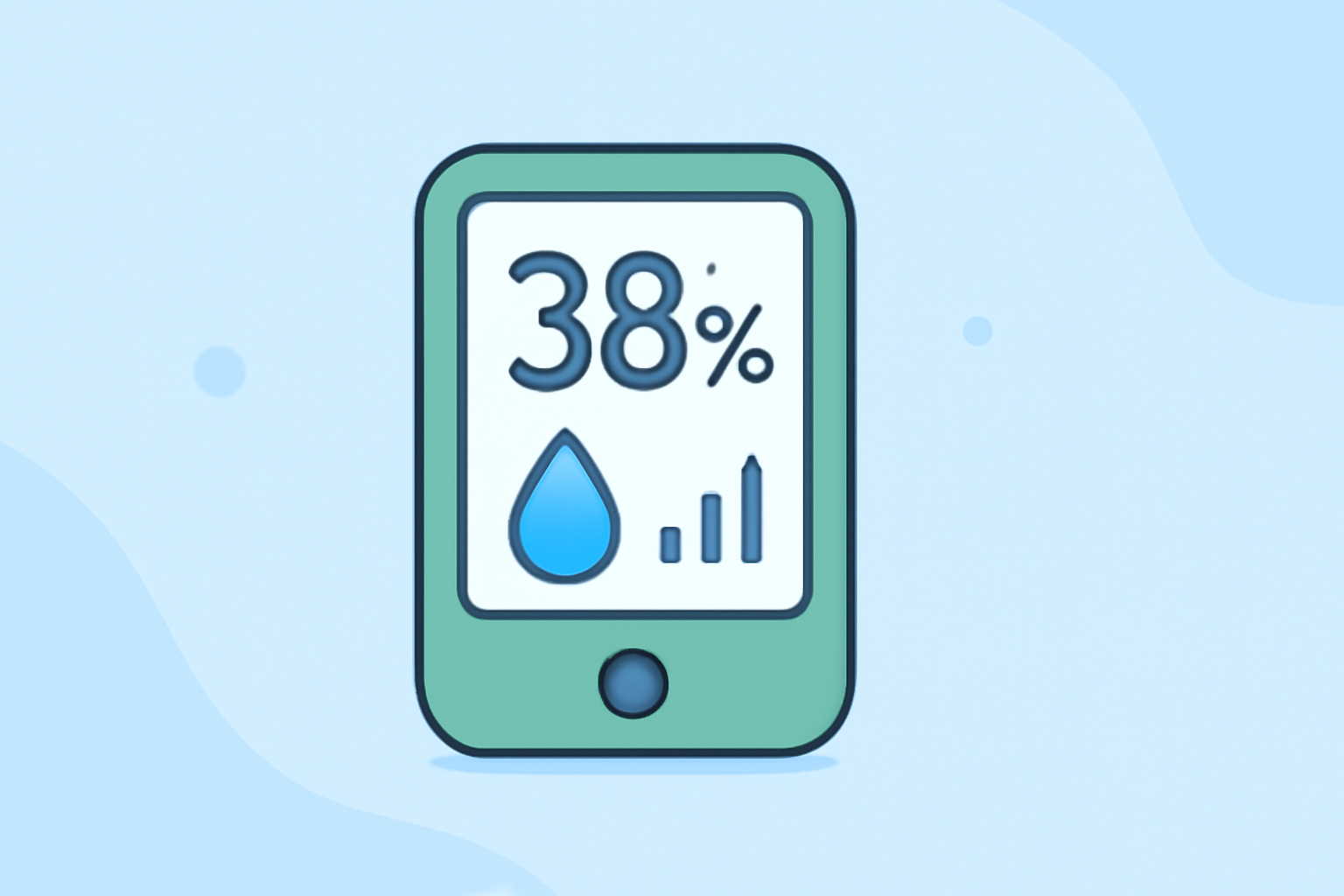
Managing indoor humidity is crucial for comfort, health, and the preservation of your home. Excessive humidity can lead to mold growth, while insufficient humidity can cause discomfort and health issues. This guide provides practical steps to monitor and control humidity levels effectively.
Understanding Humidity
Humidity refers to the amount of water vapor present in the air. Relative humidity (RH) is expressed as a percentage, indicating how much moisture the air holds relative to its maximum capacity at a specific temperature. For instance, at 70°F (21°C), air can hold a maximum of 8.5 grams of water vapor per cubic meter. If the air contains 4.25 grams, the RH is 50%. Understanding RH is essential for managing indoor moisture levels.
Ideal Indoor Humidity Levels
Maintaining an indoor RH between 30% and 50% is recommended for comfort and health. Levels above 60% can promote mold growth and dust mites, while levels below 30% can cause dry skin, respiratory issues, and static electricity. Regular monitoring helps ensure your home remains within this optimal range.
Tools for Measuring Humidity
A hygrometer is a device used to measure RH. Digital hygrometers are affordable and provide accurate readings. Place one in each room to monitor humidity levels effectively. Ensure the hygrometer is positioned away from direct sunlight, vents, and heat sources for accurate readings.
Strategies for Controlling Indoor Humidity
-
Use Dehumidifiers: In areas with high humidity, such as basements, dehumidifiers can help reduce moisture levels. Ensure the dehumidifier is appropriately sized for the room and maintain it regularly to keep it functioning efficiently.
-
Enhance Ventilation: Use exhaust fans in bathrooms and kitchens to expel moisture-laden air. Ensure these fans vent to the outside and are cleaned regularly to maintain airflow.
-
Seal Gaps and Leaks: Inspect windows, doors, and walls for leaks that can introduce moisture. Seal any gaps with appropriate materials to prevent humid air from entering.
-
Maintain HVAC Systems: Ensure your air conditioning system is properly sized and maintained. An undersized or malfunctioning AC unit may not effectively remove humidity. Regular servicing can help maintain its efficiency.
-
Control Indoor Activities: Activities like cooking, showering, and drying clothes indoors can increase humidity. Use exhaust fans during these activities and consider drying clothes outside when possible.
-
Use Air Conditioning Wisely: Air conditioners remove humidity as they cool. Ensure your AC is running long enough to dehumidify the air effectively. Setting the thermostat to COOL with the fan on AUTO can help maintain optimal humidity levels.
Preventing Mold Growth
Mold thrives in damp environments. To prevent mold growth:
-
Keep Humidity Below 50%: Use dehumidifiers and air conditioners to maintain indoor humidity within the recommended range.
-
Promptly Address Leaks: Repair any leaks in roofs, walls, or plumbing immediately to prevent moisture accumulation.
-
Ensure Proper Drainage: Direct water away from your home's foundation to prevent moisture intrusion.
-
Use Mold-Resistant Materials: In areas prone to moisture, consider using mold-resistant paints and materials.
Seasonal Considerations
Humidity levels can fluctuate with the seasons. In winter, indoor heating can dry out the air, while summer can bring increased humidity. Adjust your humidity control strategies accordingly to maintain a comfortable and healthy indoor environment year-round.
By understanding and managing indoor humidity, you can create a more comfortable and healthier living space. Regular monitoring and maintenance are key to preventing issues related to excessive or insufficient humidity.
Highlights:
- Mold Prevention: 12-Point Checklist for Every Homeowner (2026), Published on Monday, June 08
- Mold and Moisture Prevention Checklist | Dome0search7