
Comprehensive Guide to Ragweed Pollen: Identification, Impact, and Management
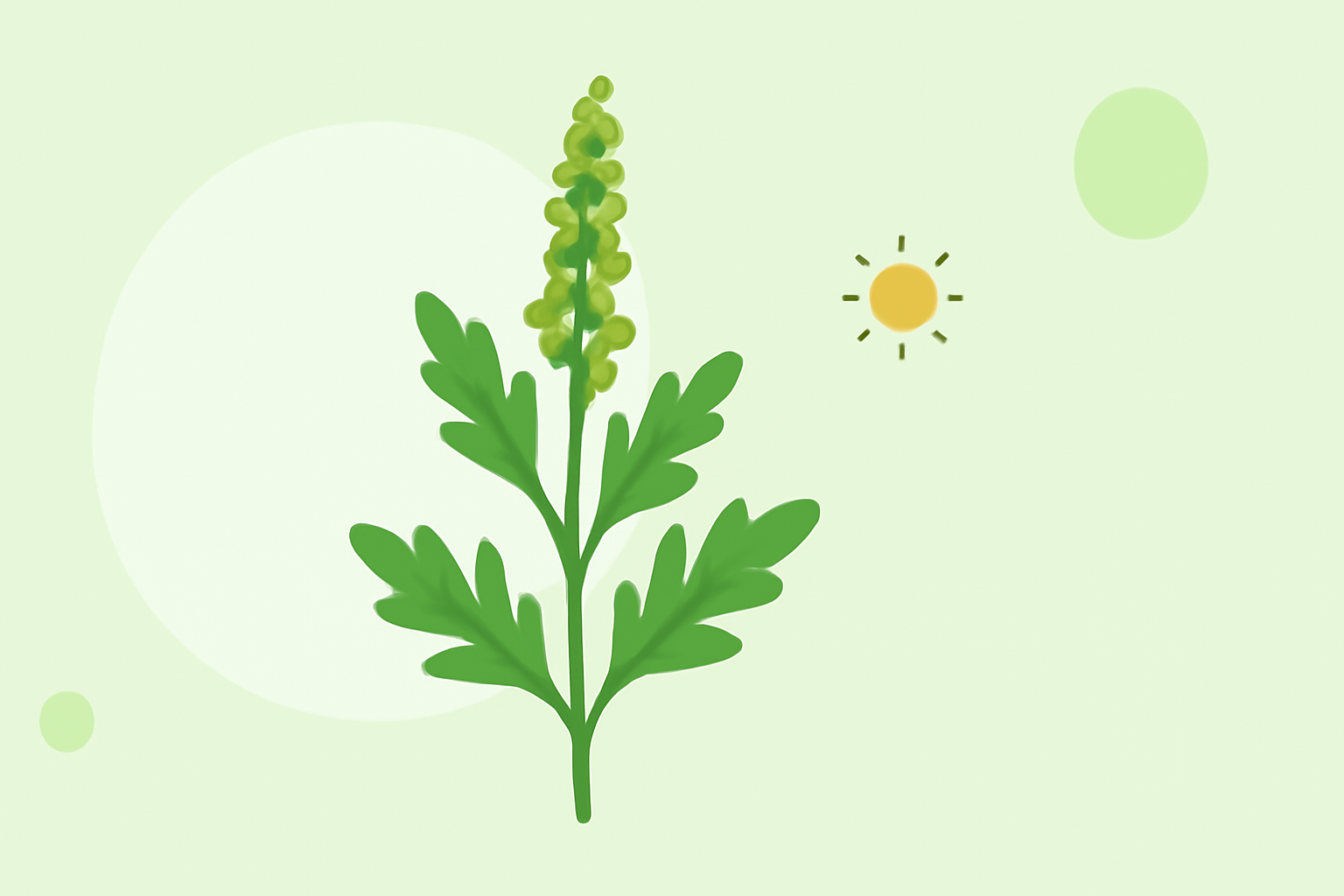
Ragweed pollen is a significant allergen in the United States, affecting a substantial portion of the population. Understanding its characteristics, impact, and management strategies is essential for those sensitive to this allergen.
What Is Ragweed Pollen?
Ragweed pollen originates from the ragweed plant (Ambrosia), a common weed found throughout the United States, except Alaska. There are at least 17 species of ragweed in North America. (healthline.com) These plants are particularly prevalent in rural areas, along roadsides, and in vacant lots. (medicalnewstoday.com)
When Is Ragweed Pollen Season?
Ragweed pollen season typically begins in mid-August and can last until mid-September, with pollen levels peaking in mid-September. (medicalnewstoday.com) However, climate change has been observed to extend the length of the ragweed pollen season in certain regions. (19january2021snapshot.epa.gov)
How Does Ragweed Pollen Affect Health?
Exposure to ragweed pollen can lead to allergic reactions such as sneezing, runny or stuffy nose, itchy eyes, and coughing. In individuals with asthma, ragweed pollen can exacerbate symptoms, leading to increased wheezing and difficulty breathing. (medicalnewstoday.com)
How to Identify Ragweed Plants
Recognizing ragweed can help in avoiding exposure. Key characteristics include:
- Height: Ragweed plants can grow between 1 to 5 feet tall.
- Leaves: They have divided leaves with narrow segments, each irregularly lobed.
- Flowers: Ragweed produces 2 to 4-inch-long terminal spikes of green to yellow flowers. (pa.gov)
How to Manage Ragweed Pollen Exposure
To minimize exposure to ragweed pollen:
- Stay Informed: Monitor local pollen counts, especially during peak seasons.
- Limit Outdoor Activities: Reduce time outdoors when pollen counts are high, typically between 5 a.m. and 10 a.m. (healthline.com)
- Keep Windows Closed: Keep windows closed during high pollen seasons to prevent pollen from entering your home.
- Use Air Purifiers: Utilize air purifiers with HEPA filters to reduce indoor pollen levels.
- Shower After Outdoor Activities: Shower and change clothes after being outdoors to remove pollen from your body and clothing.
What Are the Treatment Options for Ragweed Allergies?
Treatment options include antihistamines, nasal corticosteroids, and allergy shots (immunotherapy). It's advisable to consult with a healthcare provider to determine the most appropriate treatment plan. (healthline.com)
How Does Climate Change Affect Ragweed Pollen Seasons?
Climate change has been observed to extend the length of the ragweed pollen season in certain regions, leading to prolonged exposure for individuals sensitive to this allergen. (19january2021snapshot.epa.gov)
By understanding ragweed pollen's characteristics and implementing effective management strategies, individuals can better navigate allergy seasons and reduce the impact of this common allergen.