
Crafting a 30-Day Weather Forecast Cheat Sheet from Scratch
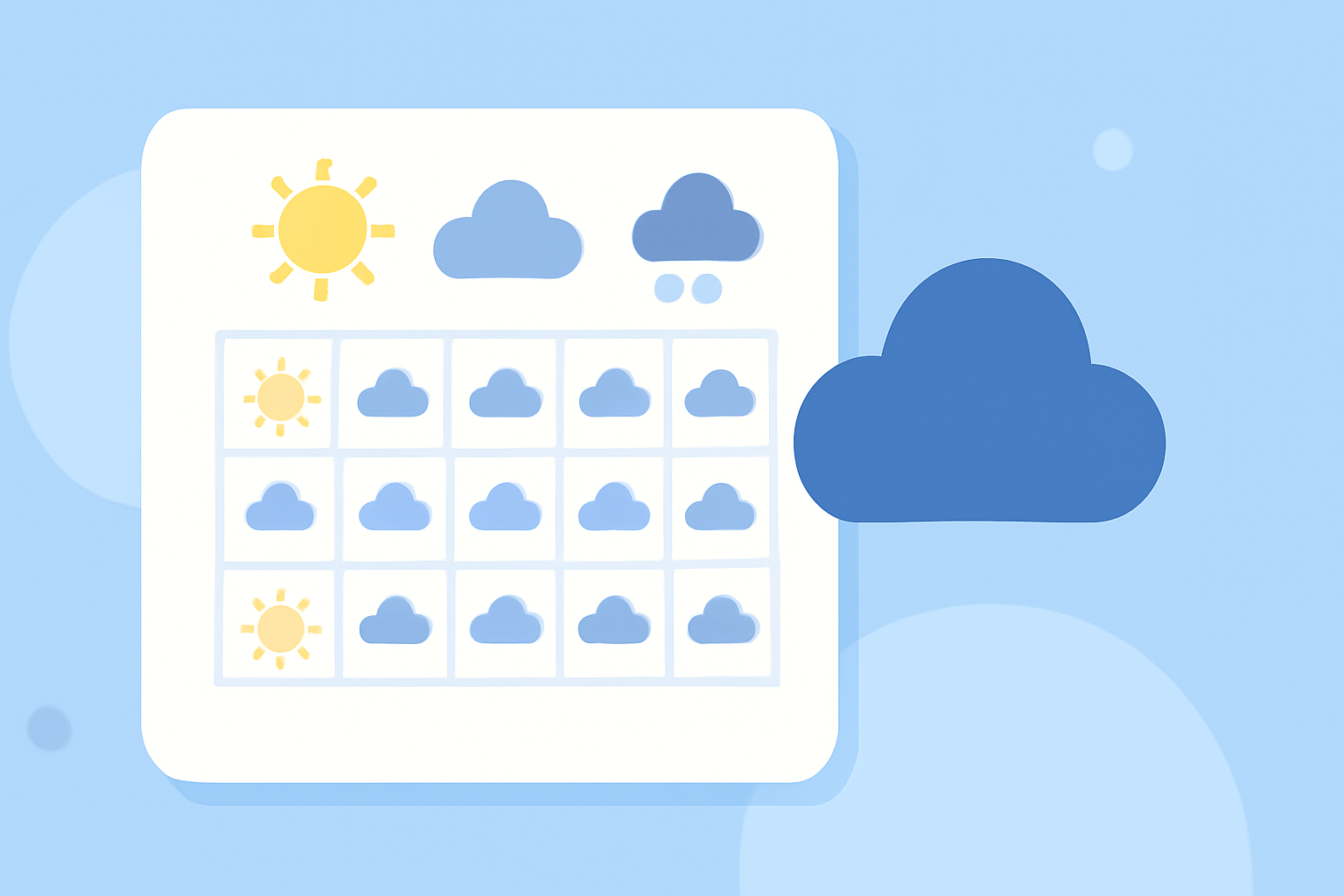
Creating a 30-day weather forecast cheat sheet can be invaluable for planning events, travel, or daily activities. Here's a step-by-step guide to help you build one from scratch:
1. Understand the Limitations of Long-Term Forecasting
Weather forecasts become less accurate as they extend beyond a few days. While a 30-day forecast can provide a general trend, specific details may not be reliable. It's essential to set expectations accordingly.
2. Gather Historical Weather Data
Start by collecting historical weather data for the location of interest. This data will serve as a baseline for your forecast. Sources like the National Weather Service or local meteorological stations can provide this information.
3. Analyze Seasonal Patterns
Identify patterns in temperature, precipitation, and other weather variables for the same month in previous years. This analysis will help you understand typical weather conditions during that period.
4. Utilize Statistical Methods
Apply statistical techniques to predict future weather based on historical data. Methods like moving averages or regression analysis can be useful. However, be cautious, as these methods have limitations and may not account for sudden weather changes.
5. Create the Forecast Cheat Sheet
Organize your forecast into a daily format, including:
- Date: The specific day of the forecast.
- Expected High and Low Temperatures: Provide a range based on historical averages.
- Precipitation Chances: Indicate the likelihood of rain or snow.
- Wind Speeds: Note average wind conditions.
- Sunrise and Sunset Times: Useful for planning daylight activities.
6. Incorporate Visuals
Enhance your cheat sheet with visuals like icons or color coding to represent different weather conditions. This approach makes the information more accessible and easier to interpret.
7. Regularly Update the Forecast
As the forecast date approaches, update your cheat sheet with more accurate information. Short-term forecasts are generally more reliable, so adjust your predictions accordingly.
8. Use Technology to Assist
Consider using spreadsheet software or specialized forecasting tools to automate calculations and visualize data trends. These tools can streamline the process and improve accuracy.
9. Communicate Uncertainties
Clearly indicate the level of confidence in your forecast, especially for longer periods. This transparency helps users understand the potential variability in the predictions.
10. Plan for Contingencies
Always have backup plans for events or activities that are weather-dependent. Since long-term forecasts can be uncertain, having alternatives ensures you're prepared for unexpected changes.
By following these steps, you can create a 30-day weather forecast cheat sheet that serves as a valuable planning tool. Remember to use it as a guideline and stay updated with the latest weather information as the date approaches.
For more detailed information on creating content calendars and forecasts, you might find resources like the 30-Day Content Calendar Template and The 30-Day Cash Flow Forecast: Why Short-Term Matters Most helpful.