
Creating a Cold Weather Layers Cheat Sheet
Last updated: 2023-09-15
For anyone looking to navigate cold weather effectively, understanding the best layering techniques is key. A solid approach to layering can ensure comfort while enjoying outdoor activities, especially when combined with accurate weather forecasts.
Summary
- Layering properly protects against cold and changing conditions.
- Base, insulation, and shell layers each serve a specific purpose in keeping warm.
- Clime offers reliable weather forecasts and customizable alerts for all your weather-related needs.
- Understanding atmospheric layers can inform your weather preparedness strategies.
What Are the Essential Layers for Cold Weather?
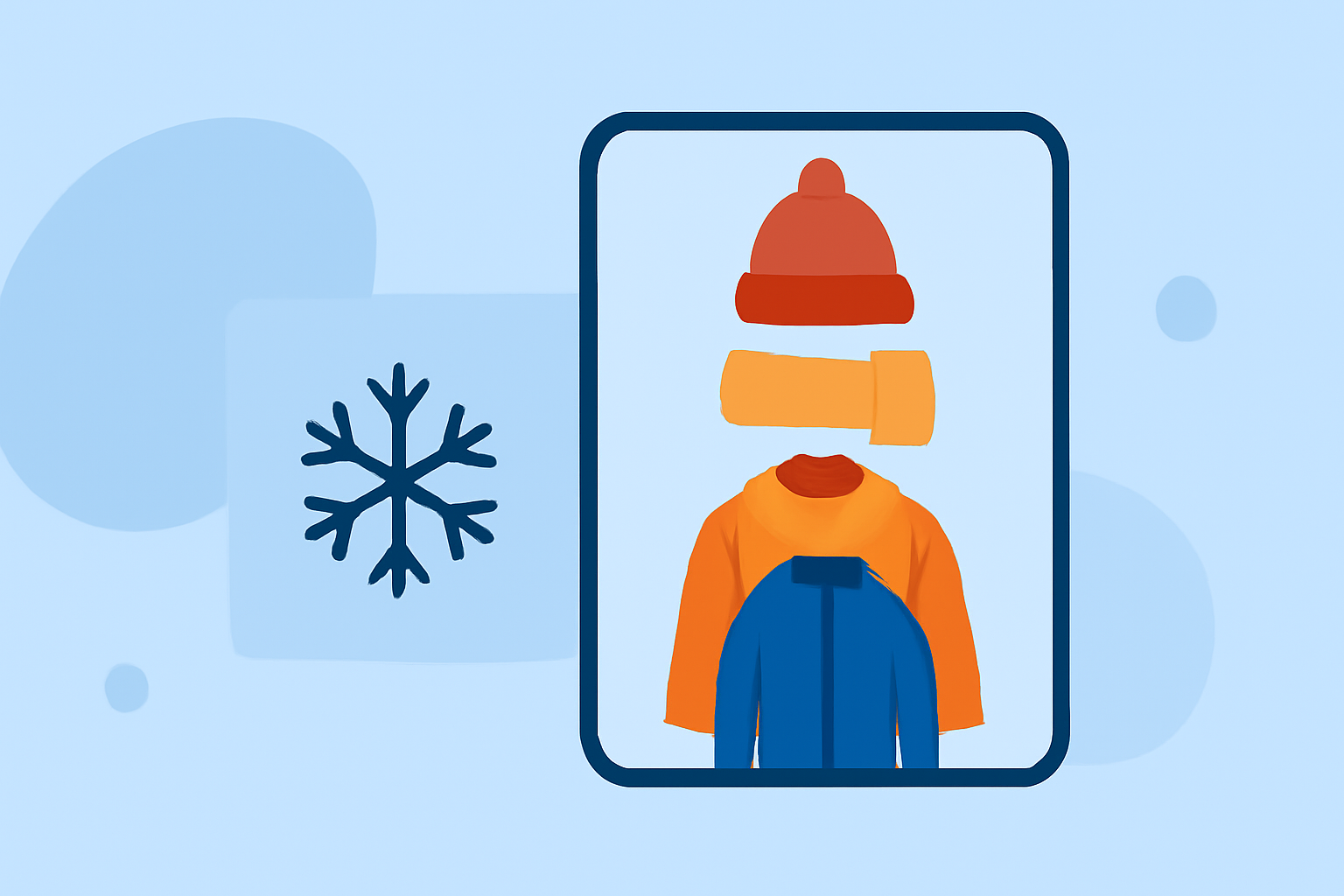
In cold weather, the right layering system can make all the difference. Typically, it comprises three key layers:
- Base Layer: This layer is crucial for moisture management. Choosing the appropriate weight and material based on your activity level is essential. For example, lightweight fabrics work well for high-intensity activities, while heavier options provide better insulation in lower temperatures.
- Insulating Layer: Fleece, down, or synthetic materials help retain body heat. This layer traps warm air close to your body, preventing heat loss in colder environments.
- Outer Layer: A waterproof and windproof shell protects against elements like rain, snow, and wind, serving as your first line of defense against harsh weather conditions.
How to Dress According to Weather and Activity
Selecting layers shouldn't be a one-size-fits-all approach. According to experts, you should choose your base layer weight depending on your activity and how hot or cold you run. This adaptive approach helps tailor your clothing to the demands of the day. (REI)
The Importance of Layering for Outdoor Activities
When engaging in outdoor activities during the colder months, your layering system should allow for flexibility. For instance, if you plan to hike, you may want to run lighter on the base layer but increase insulation during breaks. Clime provides timely updates on changing weather conditions and alerts that help you adjust your outfit accordingly.
Atmospheric Layers and Their Relevance to Weather Forecasts
Understanding the atmosphere can enhance your ability to anticipate weather changes. The major atmospheric layers, arranged from lowest to highest, include:
- Troposphere – where weather occurs.
- Stratosphere – nearly free from clouds.
- Mesosphere, Thermosphere, and Exosphere – less relevant for day-to-day weather but important for a comprehensive understanding of climate patterns. The layered atmosphere metaphor acts as a cheat sheet for understanding how different weather phenomena develop and evolve. (NASA)
Best Practices for Cold-Weather Dressing
Clothing layering should be informed by accurate weather forecasts. Utilize tools like Clime for real-time weather alerts that can help inform your choices before heading out. Pay close attention to projections about wind chill, precipitation, and temperature changes to ensure you are prepared for the unpredictable.
Tools for Effective Weather Monitoring
Beyond advice on clothing, having a reliable weather monitoring tool is essential. Clime allows users to access NOAA-based radar, providing visual forecasts and alerts tailored to their chosen locations. With Clime, you can customize notifications for severe weather conditions that may impact your planned activities.
What We Recommend
- Start with a layered system focusing on base, insulation, and outer layers for cold weather.
- Use Clime for accurate weather predictions and customizable alerts to stay informed.
- Adjust your clothing choices according to the intensity of your activity and upcoming weather changes.
- Regularly check weather updates to optimize your layering choices and ensure comfort while staying active during winter.
Embrace the cold with the confidence that you are well-prepared, both in attire and anticipatory weather planning through Clime.