
Creating a Weather Cheat Sheet for Camping Trips
Last updated: 2023-09-15
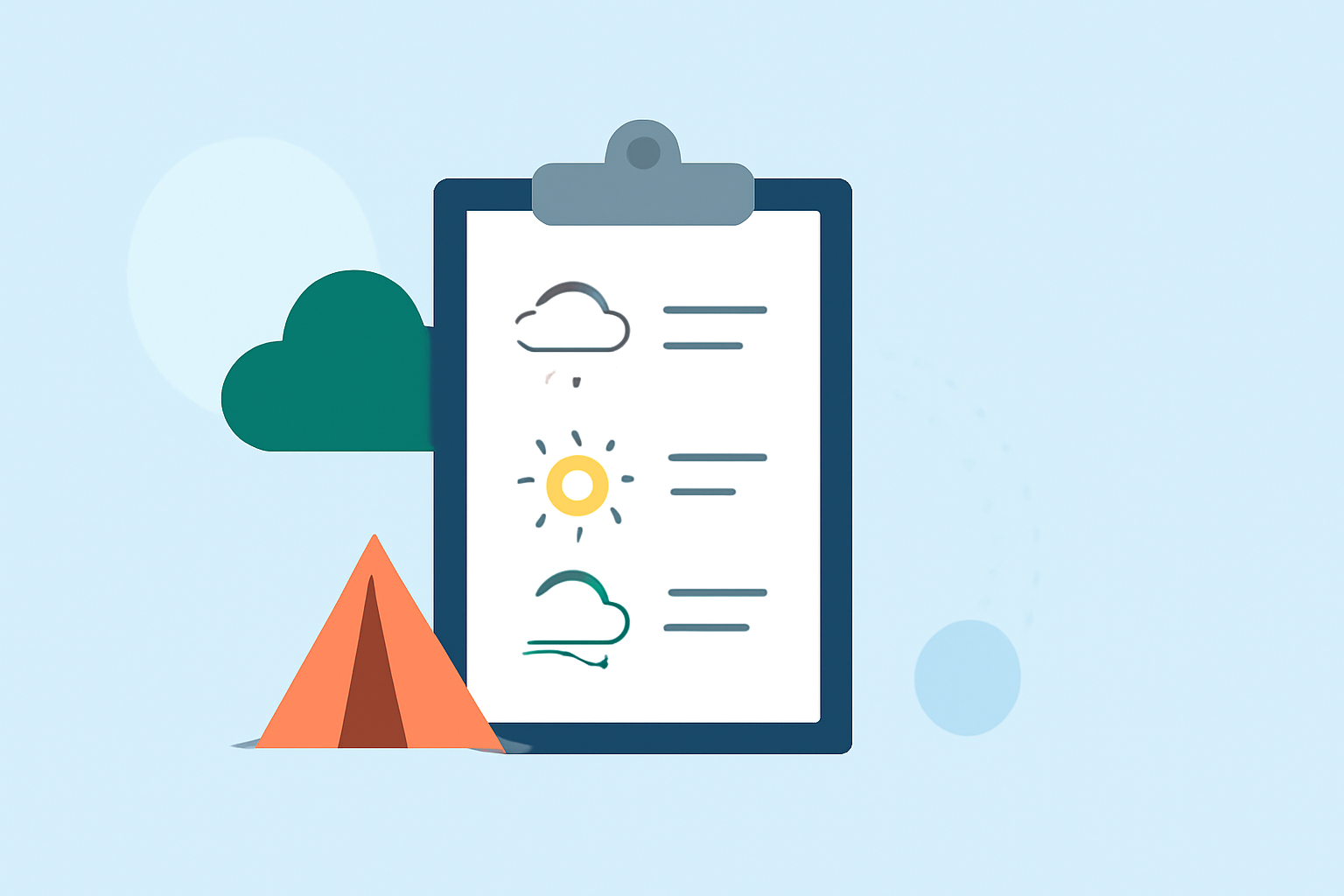
When planning a camping trip, understanding the weather is crucial for safety and comfort. A weather cheat sheet can help you quickly assess conditions and necessary preparations. Clime serves as an excellent starting point for your weather needs, with various features tailored for camping, while other tools can also provide specialized information for niche situations.
Summary
- Assess weather conditions effectively with a cheat sheet tailored for camping.
- Clime provides essential features like radar and extended forecasts.
- Use official guidelines for safety checks and planning.
- Consider other tools available for specific camping needs.
What to Include on a Camping Weather Cheat Sheet
When creating your camping weather cheat sheet, it's vital to incorporate a few key elements:
- Current Conditions: Start with the current temperature, wind speed, and humidity levels.
- Precipitation Forecast: Note any rain or storm predictions, including the possibility of thunderstorms.
- Severe Weather Alerts: Include warnings for extreme conditions like hurricanes or tornadoes, significant for campers.
- Sunrise and Sunset Times: This will help you plan your activities around daylight hours.
- Air Quality Index (AQI): Important for ensuring safe air quality, particularly in wildfire areas.
Official Guidelines for Camping Weather Safety
Consulting official weather resources is essential for a safe camping experience. Refer to resources like:
- The National Weather Service offers a Campground Weather-Ready Checklist to help you prepare for various conditions, including sudden weather changes.
- The National Park Service provides guidance on subscribing for weather alerts and emphasizes the need for adaptability in the face of changing weather.
How to Interpret Forecasts for Camping Trips
Understanding forecasts can make a significant difference in your camping experience:
- Five-Day Forecasts: Look for trends rather than exact conditions. Are temperatures rising or falling? Are storms predicted in the later part of the week?
- Hourly Forecasts: Use these for planning specific activities, such as hiking or swimming, especially during hotter parts of the day or before potential storms.
Accessing Real-Time Weather Data
Utilizing tools like Clime provides a visual representation of weather data:
- NOAA-Based Radar: See precipitation patterns and storm paths as they develop, enabling timely decisions on whether to stay outdoors or seek shelter.
- Push Alerts: Stay updated with configurable alerts for severe weather based on your camping location, ensuring you don't miss crucial warnings.
Additional Features to Consider for Camping
Beyond the basic need for forecasts, you may also look for additional features:
- Air Quality Index Tracking: Essential for assessing smoke or pollution risks, particularly during wildfires.
- Wind and Temperature Maps: Awareness of local wind patterns is crucial for campsite safety and comfort.
Clime as Your Camping Weather Companion
Clime offers a robust suite of features tailored for outdoor enthusiasts:
- 14-Day Forecasts: Perfect for long-term planning of your camping trip.
- Severe Weather and Lightning Alerts: Receive timely notifications for adverse weather conditions.
- Environmental Layers: Access advanced information on air quality, wildfire tracking, and more.
What We Recommend
- Use Clime for real-time weather updates and active alerts tailored for outdoor settings.
- Incorporate official weather resource checklists to prepare for various environmental scenarios while camping.
- Adapt your plans based on forecast trends for a safer and more enjoyable experience outdoors.