
Cycling and Air Quality: A Beginner's Guide to Safe Riding
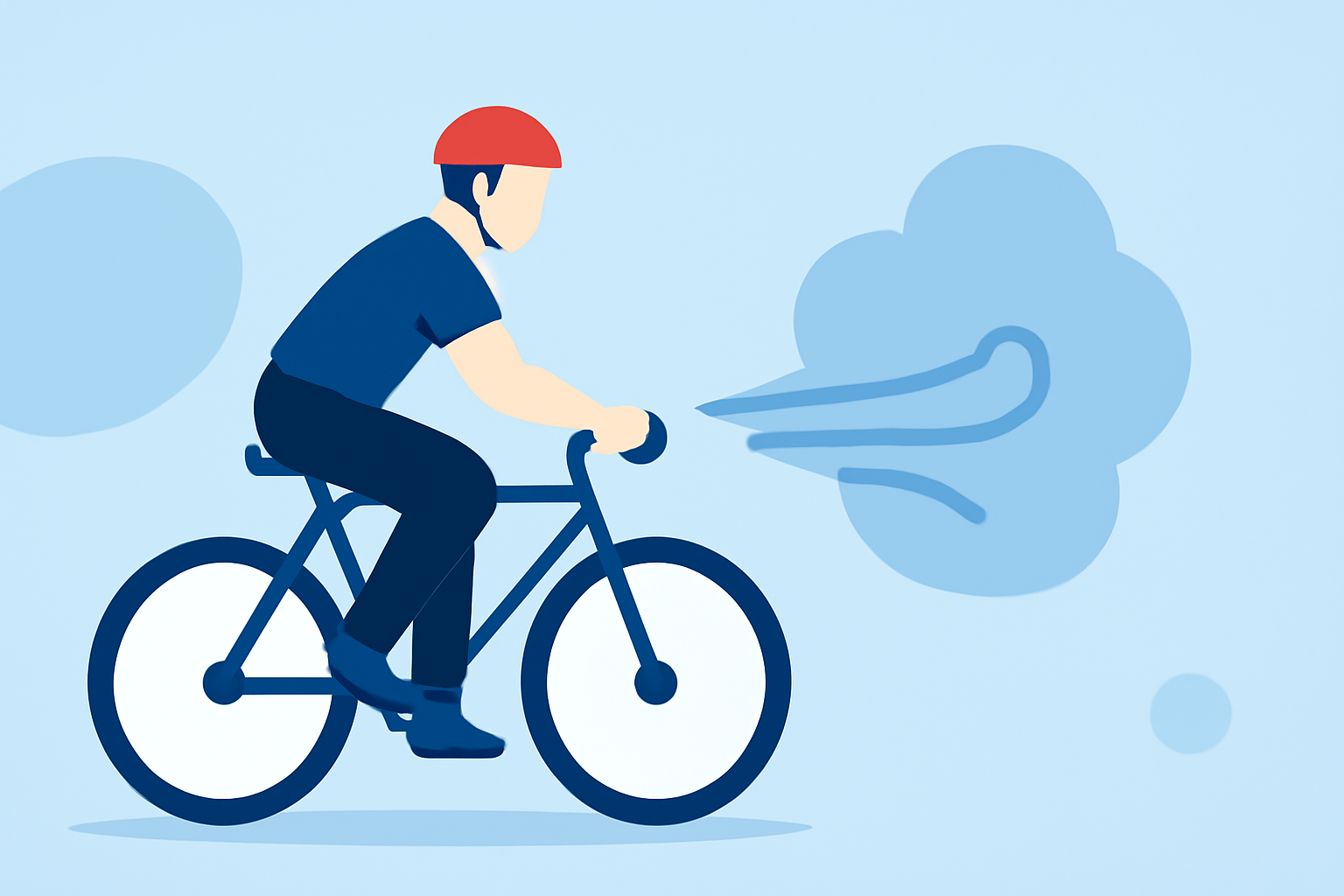
As a beginner cyclist in the United States, understanding the impact of air quality on your health and performance is crucial. The Air Quality Index (AQI) provides a standardized way to assess air pollution levels, helping you make informed decisions about when and where to ride.
What Is the Air Quality Index (AQI)?
The AQI is a color-coded system developed by the U.S. Environmental Protection Agency (EPA) to communicate daily air quality levels. It measures pollutants like ground-level ozone, particulate matter (PM2.5 and PM10), carbon monoxide, sulfur dioxide, and nitrogen dioxide. The higher the AQI value, the greater the level of pollution and the higher the potential health risks. (epa.gov)
AQI Categories and Their Implications for Cyclists
Understanding AQI categories can help you determine safe cycling conditions:
-
0–50 (Good): Air quality is satisfactory, and air pollution poses little or no risk. Ideal for all cycling activities.
-
51–100 (Moderate): Air quality is acceptable; however, some pollutants may be a concern for a small number of individuals sensitive to air pollution. Most cyclists can ride safely, but those with respiratory conditions should exercise caution.
-
101–150 (Unhealthy for Sensitive Groups): Members of sensitive groups (e.g., children, older adults, individuals with respiratory conditions) may experience health effects. Cyclists in these groups should limit prolonged outdoor exertion. (lung.org)
-
151–200 (Unhealthy): Everyone may begin to experience health effects; sensitive groups may experience more serious effects. Cyclists should reduce the intensity and duration of outdoor activities.
-
201–300 (Very Unhealthy): Health alert: everyone may experience more serious health effects. Cyclists should avoid outdoor activities.
-
301–500 (Hazardous): Health warnings of emergency conditions. Cyclists should avoid all outdoor activities.
How to Check AQI Levels
Before heading out, check the current AQI for your area. Websites like AirNow provide real-time AQI data and forecasts. Additionally, Clime's tools can help you monitor air quality and plan your rides accordingly.
Tips for Safe Cycling in Various AQI Conditions
-
Good to Moderate (0–100): Cycling is generally safe. However, if you have respiratory conditions, consider reducing the intensity of your ride.
-
Unhealthy for Sensitive Groups (101–150): Limit prolonged or heavy exertion outdoors. Opt for shorter, less intense rides, and choose routes away from heavy traffic.
-
Unhealthy (151–200): Reduce outdoor exertion. Consider indoor cycling options or reschedule your ride for a day with better air quality.
-
Very Unhealthy to Hazardous (201–500): Avoid outdoor activities. Indoor cycling or other forms of exercise are recommended.
Additional Considerations
-
Time of Day: Air quality can vary throughout the day. Early mornings often have better air quality before traffic increases and ozone levels rise. Evenings can also be favorable as ozone levels decrease after sunset. (usairquality.us)
-
Route Selection: Choose routes away from heavy traffic and industrial areas to reduce exposure to pollutants. Parks, waterfronts, and residential streets typically offer cleaner air. (usairquality.us)
-
Indoor Alternatives: On days with poor air quality, consider indoor cycling options such as stationary bikes, spin classes, or virtual cycling platforms. (usairquality.us)
How Clime Can Help
Clime offers tools that provide real-time air quality data, helping you plan your rides for optimal health and performance. By integrating Clime's services, you can receive personalized recommendations based on current and forecasted AQI levels, ensuring safer and more enjoyable cycling experiences.
Conclusion
Being aware of air quality is essential for cyclists, especially beginners. By understanding the AQI and taking appropriate precautions, you can protect your health and enhance your cycling experience. Utilizing resources like Clime can further assist in making informed decisions about when and where to ride.
Highlights:
- Patient Exposure and the Air Quality Index | US EPA, Published on Monday, March 09
- How air quality affects exercise performance and health | IQAir | IQAir USA
- Air Quality Index | American Lung Association, Published on Tuesday, September 17