
Cycling and Air Quality: A Comprehensive Guide for Travelers
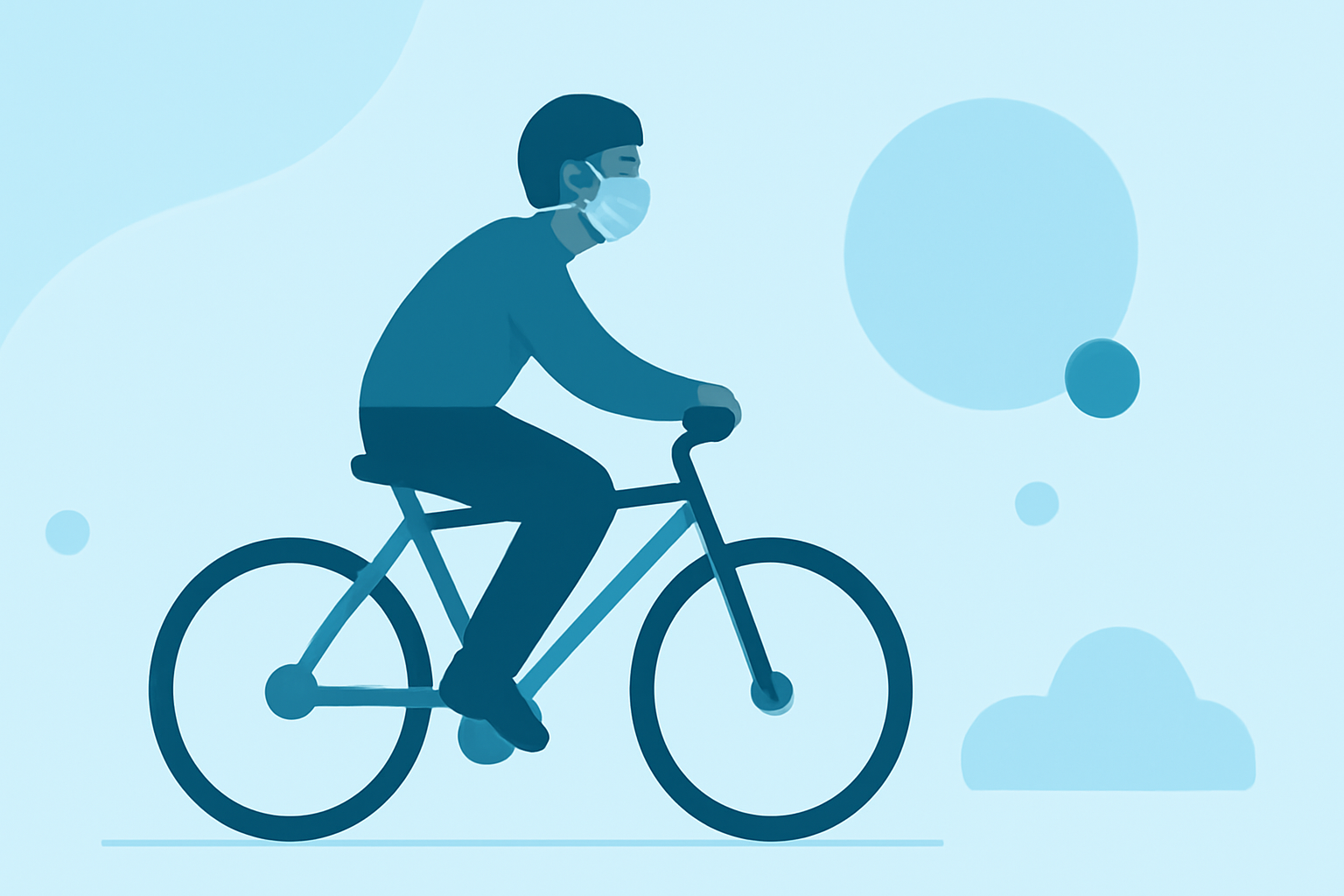
Cycling offers numerous health benefits, but exposure to poor air quality can pose significant risks, especially during travel. Understanding how to assess and navigate air quality conditions is essential for ensuring safe and enjoyable cycling experiences.
Understanding Air Quality and Its Impact on Cycling
Air quality is commonly measured using the Air Quality Index (AQI), which categorizes pollution levels from "Good" to "Hazardous." Cyclists are particularly vulnerable to air pollution due to increased inhalation rates during physical activity. Studies have shown that cyclists can experience significantly higher exposure to pollutants compared to other modes of transportation. (stacks.cdc.gov)
Assessing Air Quality During Your Travels
Before embarking on a cycling journey, it's crucial to evaluate the air quality of your destination. The AQI provides a clear indication of pollution levels:
- 0-50 (Good): Air quality is satisfactory, and air pollution poses little or no risk.
- 51-100 (Moderate): Air quality is acceptable; however, some pollutants may be a concern for a small number of individuals sensitive to air pollution.
- 101-150 (Unhealthy for Sensitive Groups): Members of sensitive groups may experience health effects; the general public is less likely to be affected.
- 151-200 (Unhealthy): Everyone may begin to experience health effects; sensitive groups may experience more serious effects.
- 201-300 (Very Unhealthy): Health alert: everyone may experience more serious health effects.
- 301-500 (Hazardous): Health warning of emergency conditions; the entire population is more likely to be affected.
Monitoring local air quality forecasts can help you plan your cycling activities during periods of better air quality.
Strategies for Safe Cycling in Various AQI Levels
- AQI 0-50 (Good): Ideal conditions for cycling.
- AQI 51-100 (Moderate): Safe for most cyclists; sensitive individuals should consider reducing prolonged or heavy exertion.
- AQI 101-150 (Unhealthy for Sensitive Groups): Sensitive individuals should reduce prolonged or heavy exertion; others may continue cycling with caution.
- AQI 151-200 (Unhealthy): Sensitive individuals should avoid prolonged or heavy exertion; others should reduce intensity and duration.
- AQI 201-300 (Very Unhealthy): Sensitive individuals should avoid all physical activity outdoors; others should avoid prolonged or heavy exertion.
- AQI 301-500 (Hazardous): Everyone should avoid all physical activity outdoors.
These guidelines are adapted from recommendations by the Fairbanks Cycle Club. (fairbankscycleclub.org)
Optimal Times for Cycling
Air quality can vary throughout the day. Generally, early morning hours (5 AM - 7 AM) offer cleaner air due to lower traffic and cooler temperatures. However, this can vary based on local conditions and pollution sources. (usairquality.us)
Selecting Cycling Routes with Better Air Quality
Choosing the right route can significantly impact your exposure to pollutants:
- Avoid High-Traffic Areas: Cycling near heavy traffic increases exposure to vehicle emissions.
- Opt for Green Spaces: Parks and trails often have better air quality due to natural filtration by vegetation.
- Consider Elevation: Higher altitudes can offer cleaner air, especially in areas prone to temperature inversions.
Research indicates that cyclists can experience significantly higher exposure to pollutants compared to other modes of transportation. (stacks.cdc.gov)
Protective Measures for Cyclists
- Use of Masks: In areas with moderate pollution (AQI 101-150), wearing a mask can reduce inhalation of harmful particles. However, masks may not be effective in very high pollution levels. (usairquality.us)
- Indoor Alternatives: When outdoor air quality is poor, consider indoor cycling options such as stationary bikes or virtual cycling platforms.
Conclusion
Being aware of air quality conditions and taking appropriate precautions can help ensure that your cycling activities remain safe and enjoyable during your travels. Always prioritize your health by staying informed and making informed decisions based on current air quality data.
Highlights:
- Bike Touring During Wildfire Season: What to Know and When To Bail - Adventure Cycling Association, Published on Wednesday, August 28
- Denver, CO Outdoor Activities Air Quality Guide 2026, Published on Monday, April 20