
Cycling and Air Quality: Navigating the Air Quality Index (AQI)
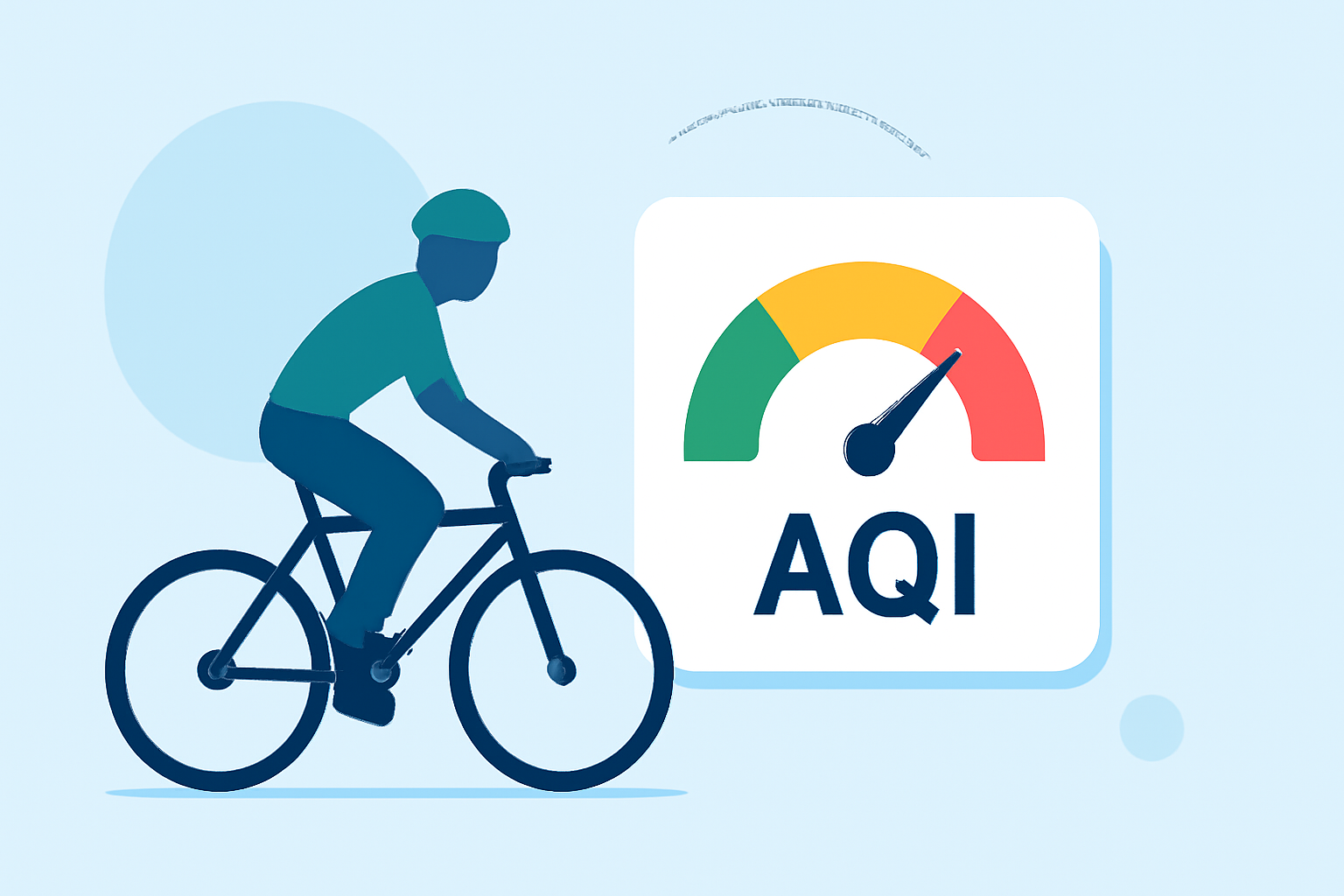
Cycling is a popular and healthy activity, but it's essential to consider air quality to ensure your safety. The Air Quality Index (AQI) is a standardized system that measures air pollution levels and their potential health impacts. Understanding the AQI can help you make informed decisions about when and where to ride.
What Is the Air Quality Index (AQI)?
The AQI is a scale developed by the U.S. Environmental Protection Agency (EPA) to communicate how clean or polluted the air is and what associated health effects might be of concern. It focuses on health effects that may be experienced within a few hours or days after breathing polluted air. The AQI ranges from 0 to 500, with higher values indicating higher levels of pollution and greater health concerns. (epa.gov)
AQI Categories and Their Implications for Cyclists
The AQI is divided into six categories, each corresponding to a different level of health concern:
-
0 to 50 (Good): Air quality is satisfactory, and air pollution poses little or no risk.
-
51 to 100 (Moderate): Air quality is acceptable; however, there may be a risk for some people, particularly those who are unusually sensitive to air pollution.
-
101 to 150 (Unhealthy for Sensitive Groups): Members of sensitive groups may experience health effects. The general public is less likely to be affected.
-
151 to 200 (Unhealthy): Some members of the general public may experience health effects; members of sensitive groups may experience more serious health effects.
-
201 to 300 (Very Unhealthy): Health alert: The risk of health effects is increased for everyone.
-
301 and higher (Hazardous): Health warning of emergency conditions: everyone is more likely to be affected. (airnow.gov)
Cycling Recommendations Based on AQI Levels
Understanding the AQI can help cyclists make informed decisions about their activities:
-
0 to 50 (Good): Ideal conditions for all cycling activities.
-
51 to 100 (Moderate): Generally safe for most cyclists. Sensitive individuals may notice slight discomfort during intense efforts.
-
101 to 150 (Unhealthy for Sensitive Groups): Sensitive individuals should consider reducing the intensity and duration of their rides.
-
151 to 200 (Unhealthy): Cyclists should reduce intensity and duration. Sensitive individuals should avoid outdoor activities.
-
201 to 300 (Very Unhealthy): Cyclists should avoid outdoor activities.
-
301 and higher (Hazardous): Cyclists should avoid outdoor activities. (usairquality.us)
Additional Considerations for Cyclists
-
Route Planning: Choose routes away from heavy traffic to minimize exposure to pollutants.
-
Timing: Early morning rides may offer better air quality before traffic increases.
-
Indoor Alternatives: Consider indoor cycling options when AQI levels are high.
Conclusion
Being aware of the AQI is crucial for cyclists to ensure safety and health. By understanding the AQI categories and adjusting your cycling activities accordingly, you can enjoy your rides while minimizing health risks associated with air pollution.