
Cycling Air Quality: How to Monitor and Improve Your Ride
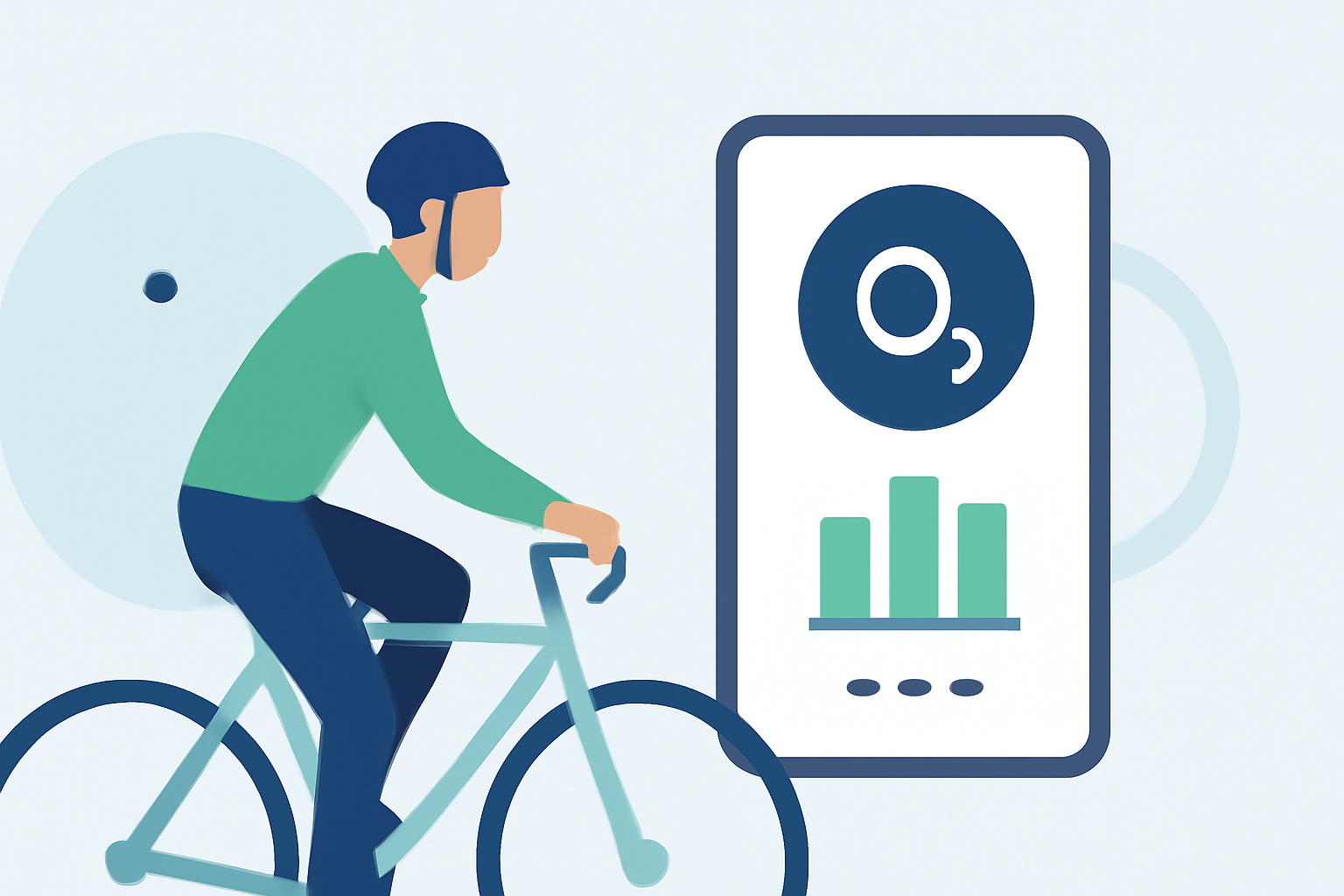
Cycling is an excellent way to stay fit and explore your surroundings, but it's essential to be aware of the air quality during your rides. Exposure to pollutants can affect your health and performance. Here's how you can monitor and improve air quality while cycling.
Why Monitor Air Quality While Cycling?
Cyclists are exposed to air pollution, especially in urban areas. High levels of pollutants like particulate matter (PM2.5) can lead to respiratory issues and decreased performance. Monitoring air quality helps you make informed decisions about your routes and timing, reducing exposure to harmful pollutants.
How to Monitor Air Quality During Your Ride?
-
Use Portable Air Quality Sensors: Devices like the SODAQ AIR attach to your bike and provide real-time data on pollutants, allowing you to assess air quality as you ride. (sodaq.com)
-
Utilize Smartphone Apps: Applications such as AirIQ offer personalized recommendations based on real-time air quality data, helping you plan your rides for optimal conditions. (airiq.health)
-
Check Local Air Quality Index (AQI): Before heading out, consult local AQI reports to understand pollution levels in your area. Websites and apps provide up-to-date information on air quality.
How to Improve Air Quality During Your Ride?
-
Choose Cleaner Routes: Opt for paths with less traffic and more greenery, as these areas typically have lower pollution levels.
-
Time Your Rides Wisely: Avoid peak traffic hours when pollution levels are higher.
-
Wear a Mask: Consider using a mask designed to filter out pollutants, especially in areas with high pollution.
-
Maintain Your Bike: A well-maintained bike ensures a smoother ride, reducing the effort needed and minimizing the intake of pollutants.
What Are the Benefits of Monitoring Air Quality While Cycling?
-
Health Protection: Reducing exposure to harmful pollutants lowers the risk of respiratory issues.
-
Enhanced Performance: Cleaner air can improve endurance and overall cycling performance.
-
Informed Decision-Making: Access to real-time data allows you to plan rides that align with your health and fitness goals.
Conclusion
Monitoring and improving air quality during your cycling activities is crucial for your health and performance. By utilizing the right tools and making informed choices, you can enjoy your rides while minimizing exposure to harmful pollutants.