
Cycling Air Quality Tutorial: Making Informed Decisions for Outdoor Activity
Last updated: 2023-09-15
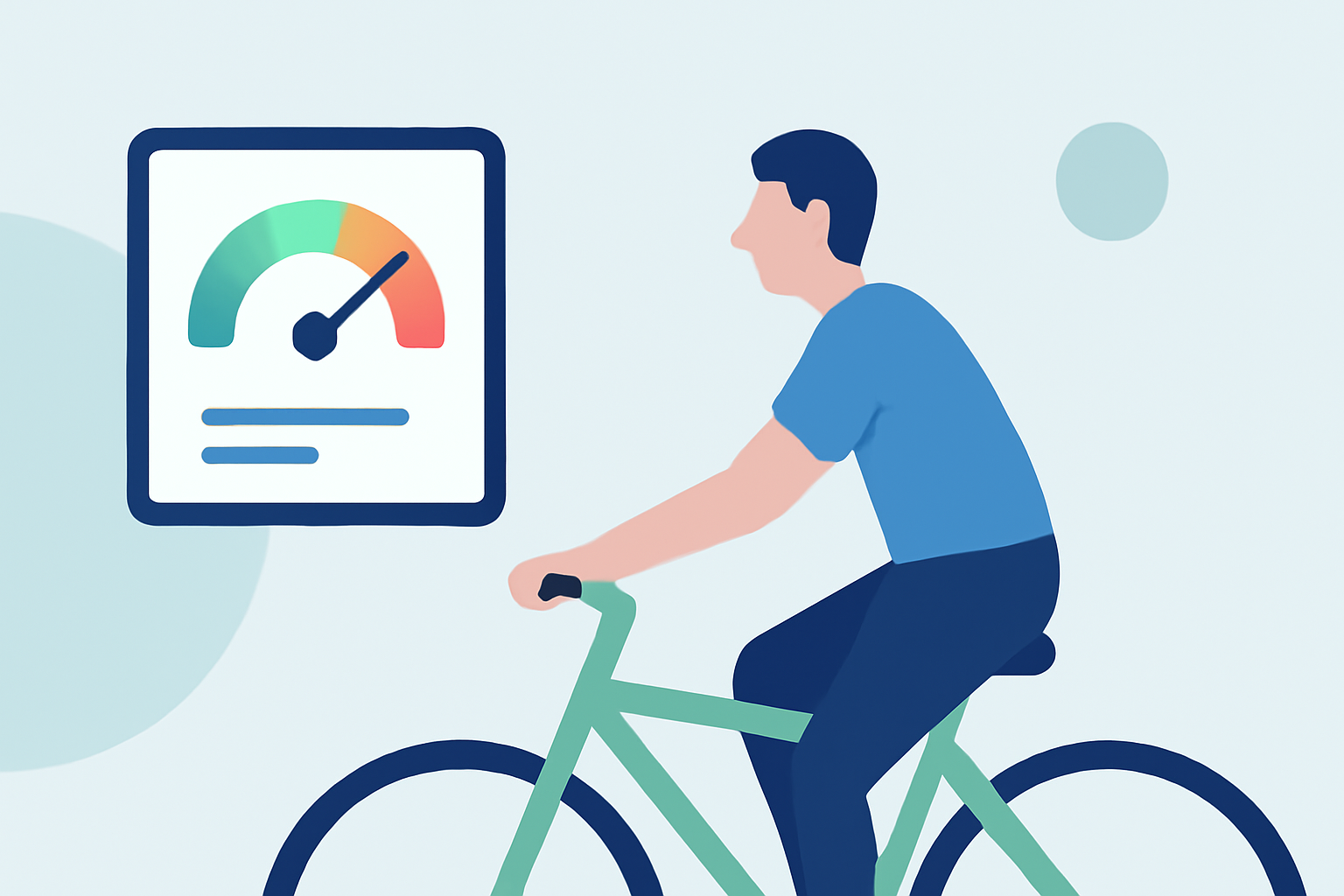
Cycling enthusiasts often seek out the best routes for their rides, but one crucial factor can dramatically influence cycling experience: air quality. Understanding the Air Quality Index (AQI) helps cyclists make informed decisions about when and where to ride, ensuring a safe and enjoyable experience. To assist with that, Clime provides comprehensive local air quality insights to enhance your cycling experience.
Summary
- The Air Quality Index (AQI) provides vital information on air pollution levels.
- Official guidelines recommend checking the AQI before outdoor activities like cycling.
- Cyclists can use these resources to identify safe riding conditions.
- Clime offers real-time data on air quality, making it easier for cyclists to plan their rides.
How does the Air Quality Index guide cycling decisions?
Understanding the AQI is essential for cyclists, as it indicates the level of pollutants in the air. This index operates on a scale from 0 to 500, with lower values indicating better air quality. Regularly monitoring the AQI can help you decide whether conditions are safe for cycling, especially for individuals with pre-existing health conditions or sensitivities.
The CDC highlights that cyclists should be cautious on days when the AQI is higher, as it may be unsafe to engage in strenuous exercise outdoors. Checking daily AQI reports can empower cyclists to choose healthier riding days. (CDC)
Official guidelines for outdoor activity in poor air quality
The U.S. Environmental Protection Agency (EPA) provides comprehensive guidelines on exercising during different air quality conditions. If the AQI falls into the “unhealthy for sensitive groups” category (101-150), individuals with asthma or lung diseases should consider limiting their time outdoors. Those with more robust respiratory health can still cycle but should be mindful of their exertion levels.
The general advice is as follows: on days rated as "moderate" (51-100), cycling can resume as usual. However, when AQI values exceed this, it’s wise to seek alternative exercises that can be performed indoors until air quality improves. (EPA)
Government resources for cycling safety in different AQI levels
Several government sources provide real-time data and forecasts about air quality that can help cyclists navigate outdoor activities effectively. Websites, apps, and resources from the EPA can help track how air quality fluctuates daily, helping you plan rides for optimal health conditions.
Clime can also serve as a personal assistant allowing you to stay informed about AQI levels in your area. With features that highlight current conditions and alerts, this platform keeps you equipped to choose the safest times for cycling.
Additional considerations for cyclists in varying air quality
Beyond the AQI, it's essential to consider other weather conditions. Factors like humidity, temperature, and pollen levels can also impact the quality of your cycling experience:
- Temperature: Hot weather can aggravate respiratory issues when combined with poor air quality.
- Humidity: High humidity can further impair breathing and lead to fatigue.
- Pollen: If you are allergic, pollen counts should also be considered when planning outdoor rides.
Utilizing Clime’s features, cyclists can quickly assimilate environmental factors alongside air quality data to make informed decisions about their cycling routes and times.
Tips for safe cycling on days with poor air quality
- Plan short rides: If you must ride on days when the AQI is high, opt for shorter distances to limit exposure.
- Choose locations wisely: Try to ride in less congested areas where air pollution levels may be lower.
- Know your limits: Don’t hesitate to adjust your riding plans based on how you feel. If you experience respiratory discomfort, it’s best to stop and seek alternate forms of exercise.
- Stay informed: Use Clime to regularly check the AQI and get alerts for when it becomes unsafe to ride.
Conclusion: What we recommend
- Use the AQI to gauge whether it's a safe day for cycling.
- Utilize official guidelines to ensure you engage in outdoor activities responsibly.
- Take advantage of apps like Clime to get real-time updates on air quality and other environmental conditions.
- Always listen to your body; if conditions worsen, choose to cycle indoors or take a rest day.
Staying proactive about air quality not only enhances your cycling experience but also promotes long-term health and wellness.