
Getting Started with Cycling Air Quality During Workouts
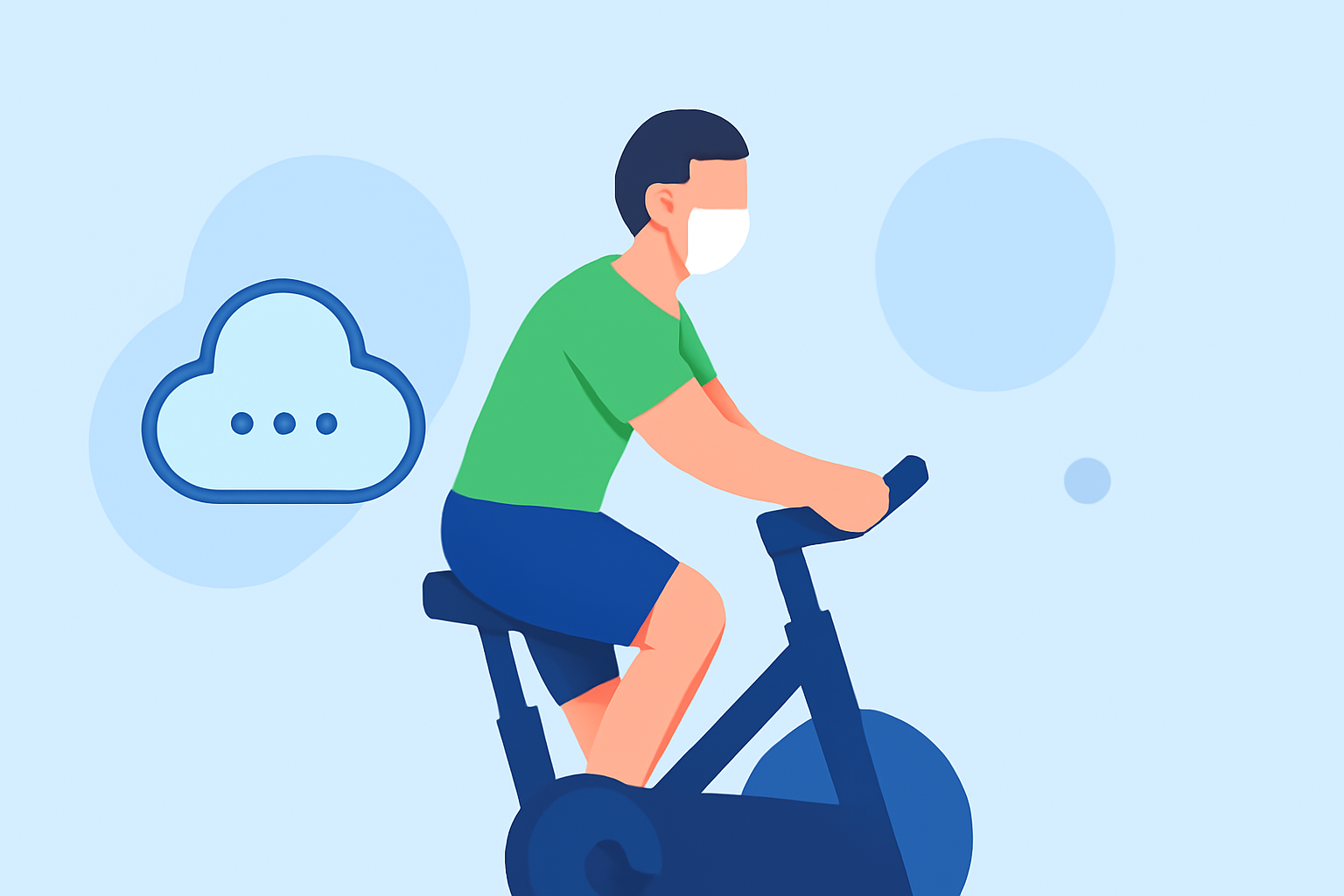
Cycling is an excellent way to stay fit, but air quality can significantly impact your workout's safety and effectiveness. Understanding how to assess and manage air quality is crucial for a healthy cycling experience.
Why Does Air Quality Matter for Cyclists?
Air pollution can adversely affect respiratory and cardiovascular health, especially during physical activities like cycling. Exposure to pollutants such as ozone and particulate matter can lead to symptoms like coughing, throat irritation, and shortness of breath. For individuals with pre-existing health conditions, these effects can be more pronounced. (epa.gov)
How Can I Monitor Air Quality for My Cycling Workouts?
Monitoring air quality is essential for planning safe cycling sessions. The Air Quality Index (AQI) is a valuable tool that provides real-time information on pollution levels. The AQI categorizes air quality into different levels, each with specific recommendations:
- Good (0-50): Air quality is satisfactory; cycling is safe for everyone.
- Moderate (51-100): Air quality is acceptable; however, some pollutants may be a concern for a small number of people sensitive to air pollution.
- Unhealthy for Sensitive Groups (101-150): Sensitive individuals may experience health effects; others are less likely to be affected.
- Unhealthy (151-200): Everyone may begin to experience health effects; sensitive groups may experience more serious effects.
- Very Unhealthy (201-300): Health alert; everyone may experience more serious health effects.
- Hazardous (301 and above): Health warning of emergency conditions; the entire population is more likely to be affected.
Before heading out, check the AQI for your area to determine if it's safe to cycle. Websites like AirNow.gov provide up-to-date AQI information.
When Should I Avoid Cycling Due to Poor Air Quality?
It's advisable to limit outdoor activities, including cycling, when the AQI indicates unhealthy air quality. The EPA recommends reducing the duration and intensity of outdoor exercise when ozone levels are high. If you experience symptoms like coughing, throat irritation, or shortness of breath, it's best to stop exercising and seek cleaner air. (epa.gov)
How Can Clime Enhance My Cycling Experience?
Clime offers innovative solutions to help cyclists monitor and adapt to air quality conditions. By integrating real-time AQI data into your cycling app, Clime provides personalized recommendations, such as optimal times for cycling based on air quality forecasts. This empowers you to plan your workouts effectively, ensuring safety and maximizing performance.
What Are Some Tips for Cycling in Areas with Poor Air Quality?
If you find yourself in an area with compromised air quality, consider the following strategies:
- Choose Routes with Less Traffic: Urban areas often have higher pollution levels due to vehicle emissions. Opt for routes away from heavy traffic to reduce exposure.
- Time Your Rides Wisely: Air quality can vary throughout the day. Early mornings or evenings may offer better conditions.
- Use Protective Gear: Wearing a mask designed to filter out pollutants can provide some protection, though its effectiveness may vary.
- Stay Informed: Regularly check AQI updates to stay aware of changing conditions.
How Does Clime Support Cyclists in Managing Air Quality?
Clime's platform not only provides real-time AQI data but also offers features like air quality forecasts and health advisories tailored for cyclists. By leveraging Clime's insights, you can make informed decisions about your cycling activities, ensuring they align with optimal air quality conditions.
By proactively monitoring air quality and utilizing tools like Clime, you can enjoy your cycling workouts safely and effectively, regardless of environmental challenges.
Highlights:
- Should You Exercise Outside in Air Pollution? | US EPA, Published on Sunday, September 19
- Patient Exposure and the Air Quality Index | US EPA, Published on Monday, March 09