
Cycling During Winter Storms: Essential Air Quality Checklist
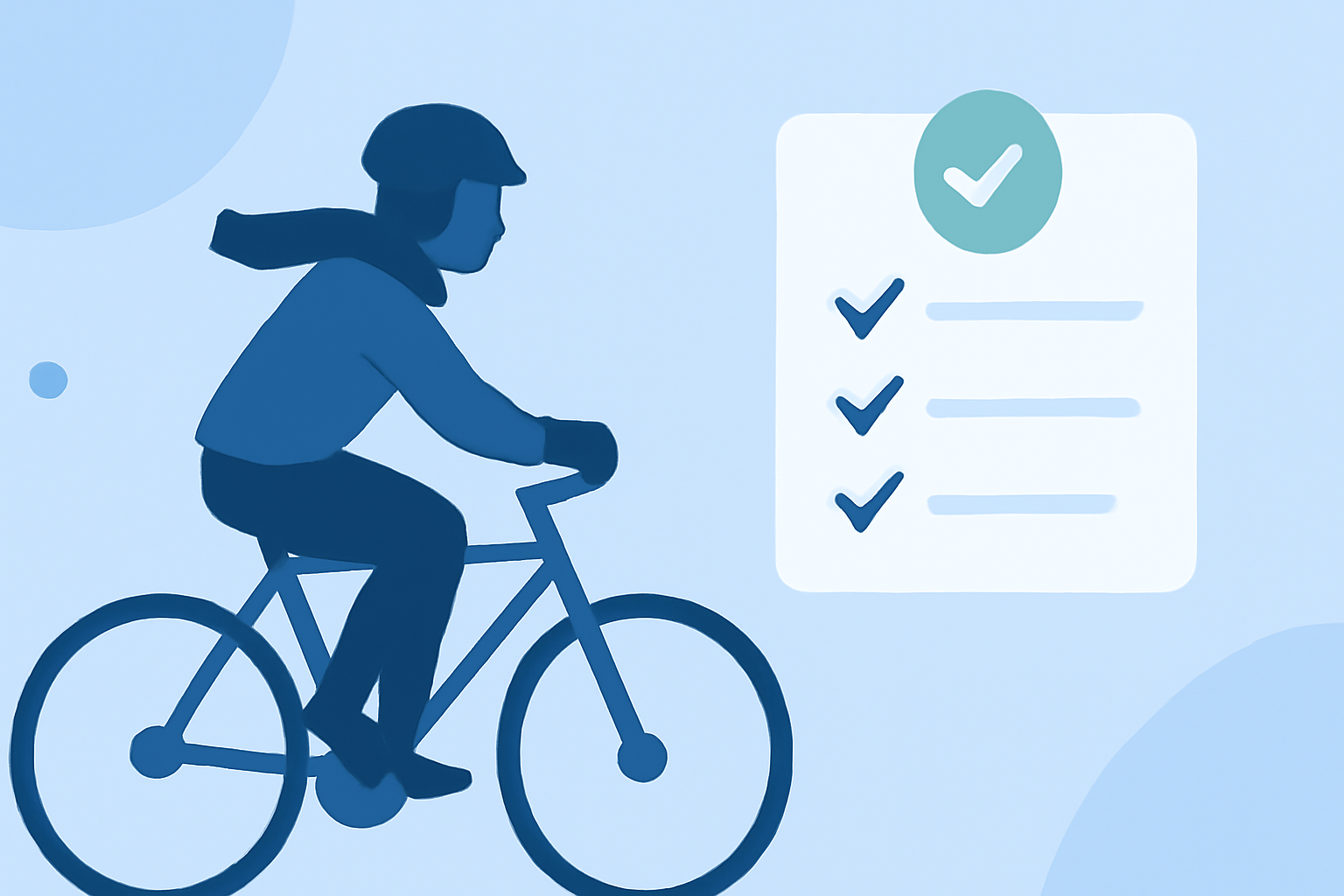
Cycling during winter storms presents unique challenges, particularly concerning air quality. Adhering to a structured checklist can help cyclists navigate these conditions safely.
1. Monitor Air Quality Index (AQI) Levels
Before heading out, check the current AQI for your area. The AQI measures air pollution levels, which can be adversely affected during winter storms due to factors like increased heating and reduced ventilation. Understanding the AQI helps in making informed decisions about cycling conditions.
2. Assess Weather Conditions
Winter storms often bring cold temperatures, snow, and ice. These conditions can impact air quality and pose additional hazards. Always consult local weather forecasts to anticipate any adverse conditions that may affect your ride.
3. Prepare Your Gear
-
Clothing: Dress in layers to regulate body temperature. Ensure your outer layer is windproof and waterproof to protect against snow and rain.
-
Footwear: Use insulated, waterproof boots to keep feet warm and dry.
-
Gloves and Face Protection: Wear thermal gloves and a balaclava or neck gaiter to shield your hands and face from cold winds.
-
Lighting: Winter days are shorter, so equip your bike with bright front and rear lights to enhance visibility.
4. Equip Your Bike
-
Tires: Opt for wider tires with lower pressure to increase traction on slippery surfaces.
-
Fenders: Install fenders to protect against road spray and keep you dry.
-
Braking System: Ensure your brakes are responsive and suitable for wet conditions.
5. Plan Your Route
Choose routes that are less exposed to wind and have better air quality. Avoid areas with heavy traffic, as they can have higher pollution levels. Opt for paths with natural windbreaks, such as forests or hills, to reduce exposure to cold winds.
6. Stay Informed
Regularly check updates on weather conditions and air quality. Local authorities and environmental agencies often provide real-time information that can aid in planning your ride.
7. Know When to Postpone
If the AQI is in the "unhealthy" range or if severe weather conditions are forecasted, consider postponing your ride. Prioritizing health and safety is paramount.
By following this checklist, cyclists can navigate winter storms more safely, ensuring both their well-being and the enjoyment of their ride.