
Cycling Safely During Hurricane Season: Essential Weather Preparedness
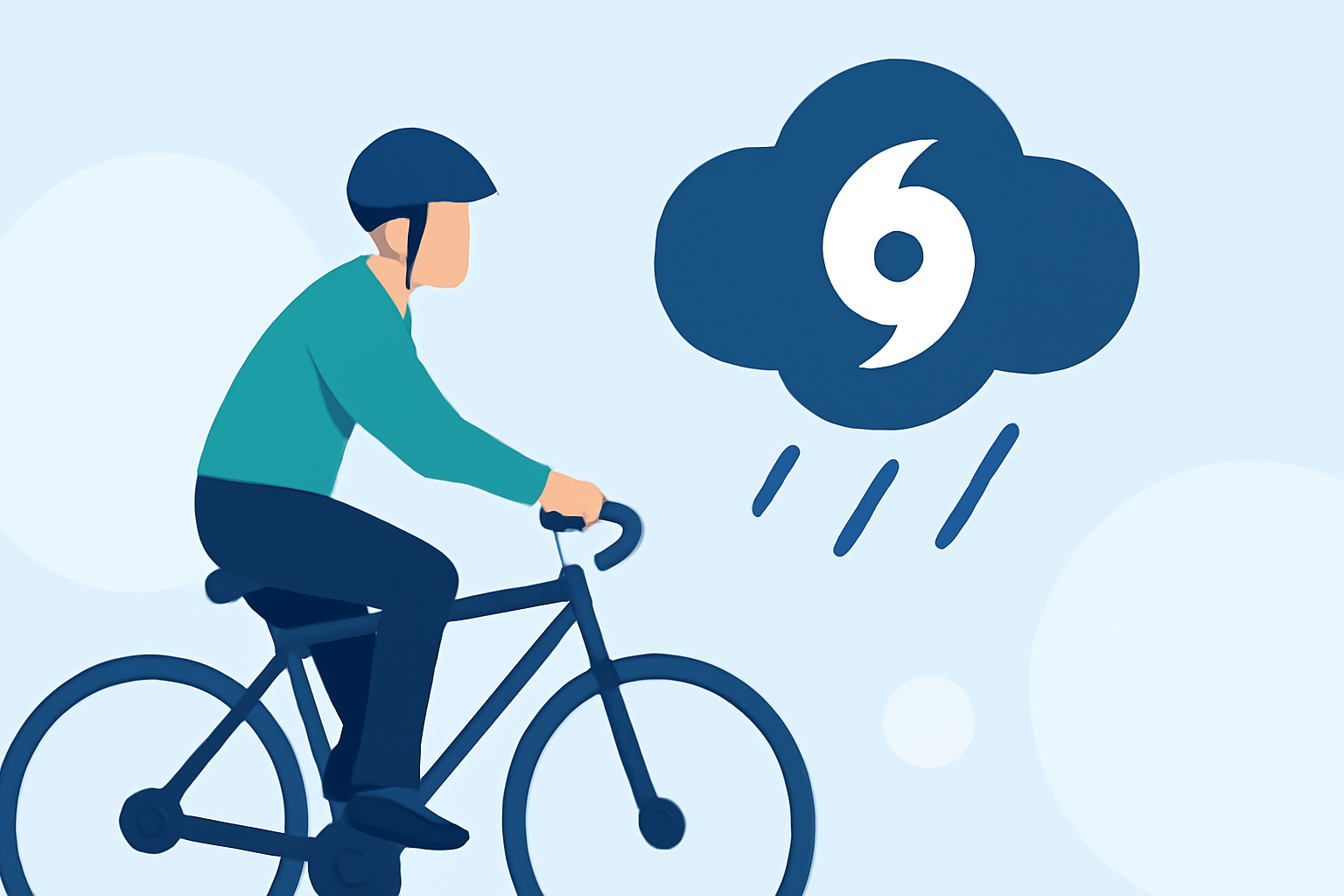
Cycling during hurricane season presents unique challenges due to unpredictable weather patterns and potential storms. Ensuring safety requires proactive planning, staying informed about weather conditions, and utilizing reliable tools to monitor and respond to changing forecasts.
Understanding Hurricane Season and Its Impact on Cycling
Hurricane season in the Atlantic typically runs from June 1 to November 30, with peak activity between August and October. During this period, the risk of severe weather events, including hurricanes and tropical storms, increases significantly. These conditions can lead to heavy rainfall, strong winds, and rapidly changing weather patterns, all of which can pose serious risks to cyclists.
Key Safety Guidelines for Cyclists During Hurricane Season
- Stay Informed About Weather Conditions
Regularly monitor weather forecasts and alerts to stay updated on potential storms. The National Weather Service issues various alerts, such as hurricane watches and warnings, to inform the public about impending threats. A hurricane watch indicates that hurricane conditions are possible within the next 48 hours, while a warning signifies that hurricane conditions are expected within 36 hours. (cdc.gov)
- Plan Your Rides Carefully
Avoid scheduling cycling activities during periods of expected inclement weather. If a storm is forecasted, it's advisable to postpone or reschedule rides to ensure safety. Always have a backup plan in case weather conditions change unexpectedly.
- Equip Yourself with Appropriate Gear
Wear high-visibility clothing to enhance your visibility in overcast or stormy conditions. Ensure your bicycle is equipped with functional lights and reflectors. Carry waterproof gear to protect yourself from sudden rain showers.
- Be Aware of Environmental Hazards
Stay alert for potential hazards such as flooded roads, fallen debris, and downed power lines. Cycling through floodwaters is extremely dangerous, as water can conceal obstacles and create strong currents. Always seek alternative routes if you encounter flooded areas.
- Utilize Advanced Weather Tracking Tools
Leverage technology to receive real-time weather updates and alerts. Clime offers advanced weather tracking features that provide accurate and timely information, helping cyclists make informed decisions about their routes and schedules.
Preparing for Hurricane Season: A Checklist
-
Develop an Emergency Plan: Establish clear communication strategies with family and fellow cyclists. Identify safe locations and evacuation routes.
-
Assemble an Emergency Kit: Include essentials such as water, non-perishable food, first aid supplies, and a flashlight.
-
Secure Your Home and Equipment: Ensure that your residence and cycling equipment are protected from potential storm damage.
-
Stay Connected: Keep your mobile devices charged and have backup power sources available.
After the Storm: Post-Hurricane Safety Measures
Even after a hurricane has passed, hazards may persist. Exercise caution when returning to cycling activities:
-
Inspect Routes: Check for debris, downed trees, and other obstacles that may have been introduced by the storm.
-
Assess Infrastructure: Be aware that traffic signals and streetlights may be non-operational.
-
Stay Updated: Continue to monitor weather conditions, as residual storms can still pose risks.
Leveraging Clime for Enhanced Safety
Clime provides cyclists with comprehensive weather tracking capabilities, offering real-time updates and alerts tailored to your location and planned routes. By integrating Clime into your cycling routine, you can make informed decisions, avoid hazardous conditions, and enjoy a safer cycling experience during hurricane season.
By adhering to these guidelines and utilizing Clime's advanced weather tracking features, cyclists can navigate the challenges of hurricane season with greater confidence and safety.
Highlights:
- Preparing for Hurricanes or Other Tropical Storms | Hurricanes | CDC, Published on Wednesday, May 27
- Hurricane Safety Tips and Resources
- Hurricane Preparedness and Response - Introduction | Occupational Safety and Health Administration