
Cycling Safely in Severe Weather: A Step-by-Step Guide
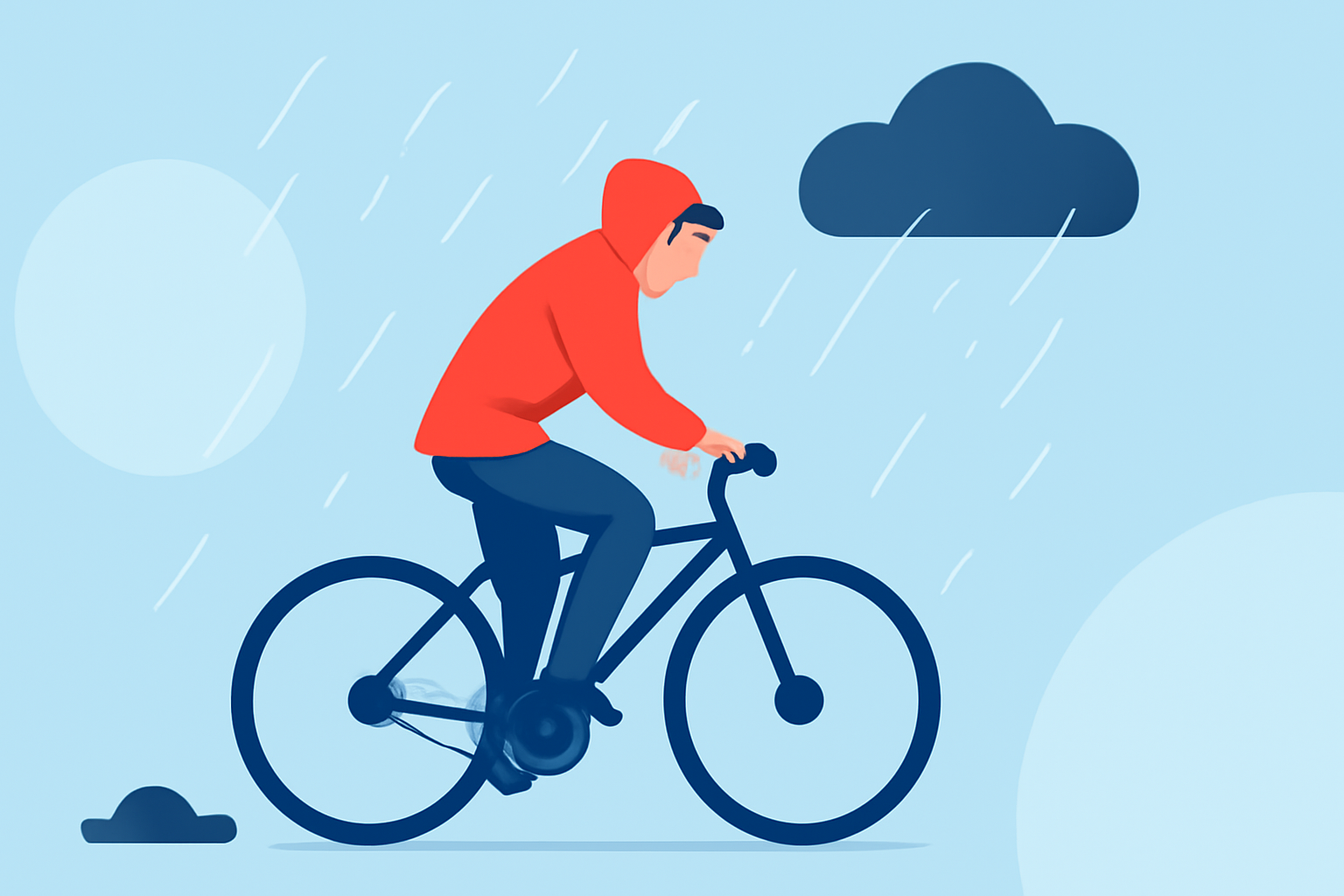
Cycling in severe weather presents unique challenges that require careful preparation and awareness. By following these steps, you can enhance your safety and enjoy your ride, even when conditions are less than ideal.
1. Assess the Weather Conditions Thoroughly
Before heading out, check the latest weather forecasts for your area. Pay close attention to:
-
Temperature and Wind Chill: Cold temperatures can lead to hypothermia and frostbite. Dress appropriately to maintain body heat. (cdc.gov)
-
Precipitation: Rain, snow, or sleet can affect road traction and visibility.
-
Wind Speeds: Strong winds can make cycling more challenging and increase the risk of accidents.
-
Severe Weather Alerts: Stay informed about any warnings or advisories, such as thunderstorms or tornadoes.
2. Dress in Layers and Choose Appropriate Gear
Wearing multiple layers allows you to adjust your clothing based on changing conditions. Opt for moisture-wicking fabrics to keep sweat away from your skin, and include an insulating layer for warmth. A waterproof and windproof outer layer will protect against rain and wind. Don't forget to wear a helmet, gloves, and appropriate footwear to ensure safety and comfort. (portland.gov)
3. Equip Your Bike for Adverse Conditions
Ensure your bicycle is ready for severe weather by:
-
Installing Fenders: These will help keep water and debris off you and your bike.
-
Using Appropriate Tires: Consider tires designed for wet or snowy conditions to improve traction.
-
Checking Brakes: Ensure your brakes are responsive and effective, as wet conditions can reduce braking efficiency. (rei.com)
4. Plan Your Route and Timing Carefully
Choose routes that are less exposed to wind and have better shelter options in case of sudden weather changes. Inform someone about your planned route and expected return time. Avoid areas prone to flooding or other hazards.
5. Stay Alert and Adjust Riding Techniques
In severe weather, it's crucial to:
-
Reduce Speed: Slower speeds allow for better reaction times and control.
-
Increase Following Distance: Maintain a greater distance from other vehicles to account for reduced stopping distances.
-
Be Visible: Use front and rear lights, wear bright or reflective clothing, and ensure your bike has reflectors. (portland.gov)
6. Recognize and Respond to Severe Weather Signs
If you encounter severe weather during your ride:
-
Seek Shelter Immediately: Find a sturdy building or vehicle to take cover.
-
Avoid Water Sources: Stay away from bodies of water, as they can pose drowning risks during storms.
-
Monitor Weather Updates: Use a weather app or radio to stay informed about changing conditions.
7. Know When to Postpone or Cancel Your Ride
If severe weather warnings are in effect, it's best to postpone your cycling plans. Your safety should always be the top priority.
By following these steps, you can enjoy cycling safely, even in challenging weather conditions. Always prioritize safety and make informed decisions based on current weather information.