
De-Icing and Departure Delays: A Family Vacation Guide
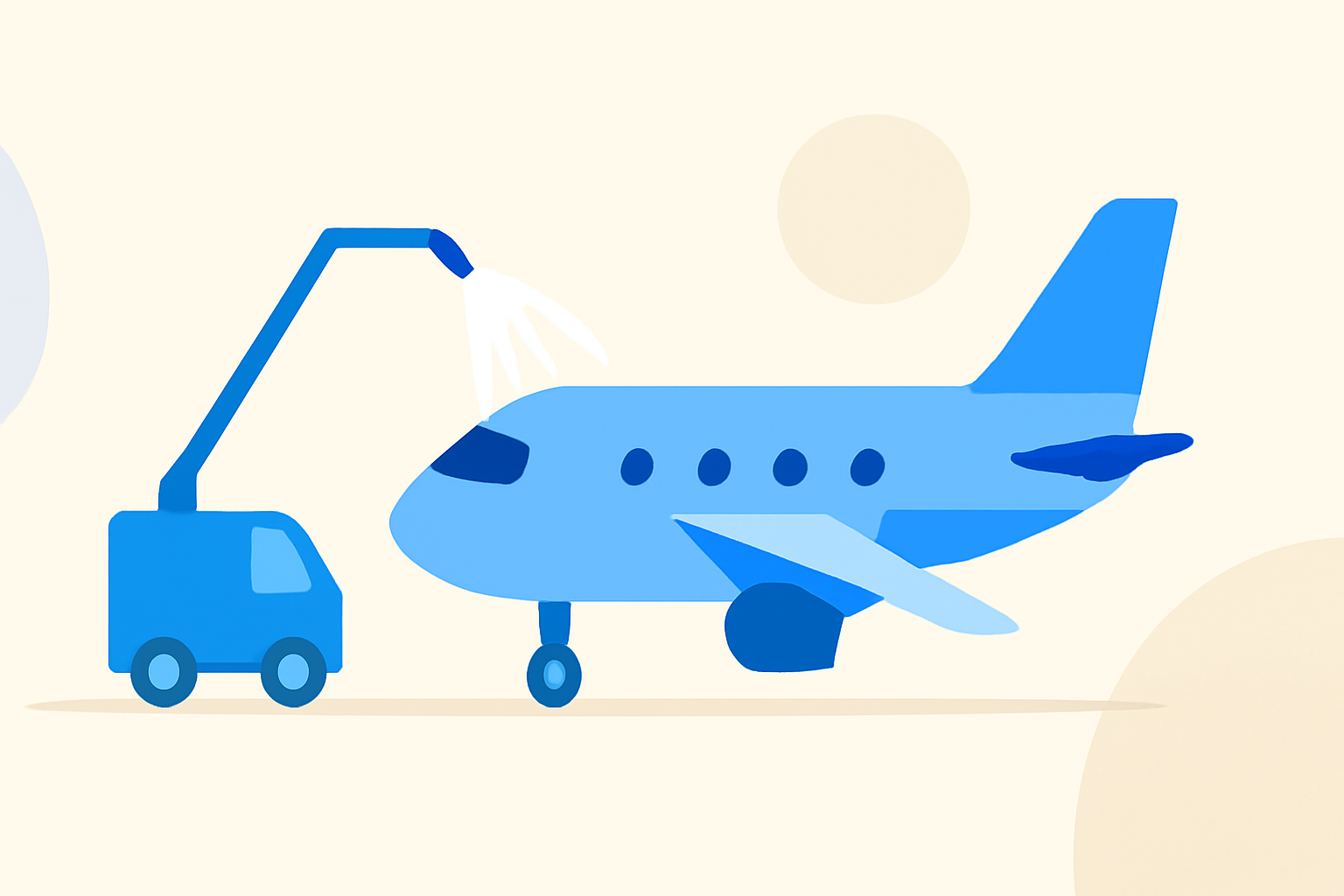
Planning a family vacation often involves meticulous preparation, from booking accommodations to organizing activities. However, one aspect that can disrupt your travel plans is unexpected flight delays due to de-icing procedures. Understanding how these procedures work and how to stay informed can make your journey smoother.
What Are De-Icing Procedures?
De-icing is the process of removing ice, snow, or frost from an aircraft's critical surfaces, such as wings and control surfaces, to ensure safe flight operations. This is typically performed before takeoff during winter months or in regions where such conditions are prevalent. The Federal Aviation Administration (FAA) provides guidelines for de-icing and anti-icing procedures to maintain flight safety. (faa.gov)
How Do De-Icing Procedures Affect Flight Schedules?
De-icing procedures can lead to departure delays, especially during severe weather conditions. The time required for de-icing depends on factors like the type and amount of precipitation, aircraft size, and the efficiency of ground crews. While these procedures are essential for safety, they can extend the time between boarding and actual takeoff.
Understanding Holdover Times
Holdover time refers to the estimated duration that de-icing or anti-icing fluids will prevent the accumulation of ice or snow on the aircraft's surfaces. This time frame is crucial because once the holdover time expires, the aircraft may need to be de-iced again before departure. The FAA publishes holdover time guidelines to assist flight crews in determining appropriate de-icing intervals. (faa.gov)
How Can Planes Live Help?
Staying informed about your flight's status is vital, especially when weather conditions may lead to delays. Planes Live offers real-time flight tracking and updates, providing you with timely information about your flight's status. By using Planes Live, you can receive notifications about any changes to your flight schedule, including delays caused by de-icing procedures. This proactive approach allows you to adjust your plans accordingly, reducing stress and uncertainty during your travel.
Tips to Minimize the Impact of De-Icing Delays:
-
Stay Informed: Regularly check your flight status through official airline channels or flight tracking services like Planes Live.
-
Allow Extra Time: When planning your trip, consider potential delays and plan activities accordingly.
-
Contact the Airline: If you notice significant delays, reach out to the airline for updates or assistance.
-
Prepare for Extended Waits: Bring entertainment, snacks, and other necessities to keep your family comfortable during longer wait times.
By understanding de-icing procedures and utilizing tools like Planes Live, you can better navigate the challenges posed by winter weather and ensure a more enjoyable family vacation.
Highlights:
- Aircraft Ground Deicing | Federal Aviation Administration, Published on Monday, August 11
- [FAA HOLDOVER TIME GUIDELINES
WINTER 2025-202](https://www.faa.gov/other_visit/aviation_industry/airline_operators/airline_safety/deicing/FAA_2025-26_Holdover_Tables.pdf?utm_source=openai), Published on Friday, May 08
- FAA’s Updated Deicing Procedures Include Holdover Time Changes | NBAA - National Business Aviation Association, Published on Thursday, December 13