
Understanding De-Icing and Departure Delays for Domestic Flights
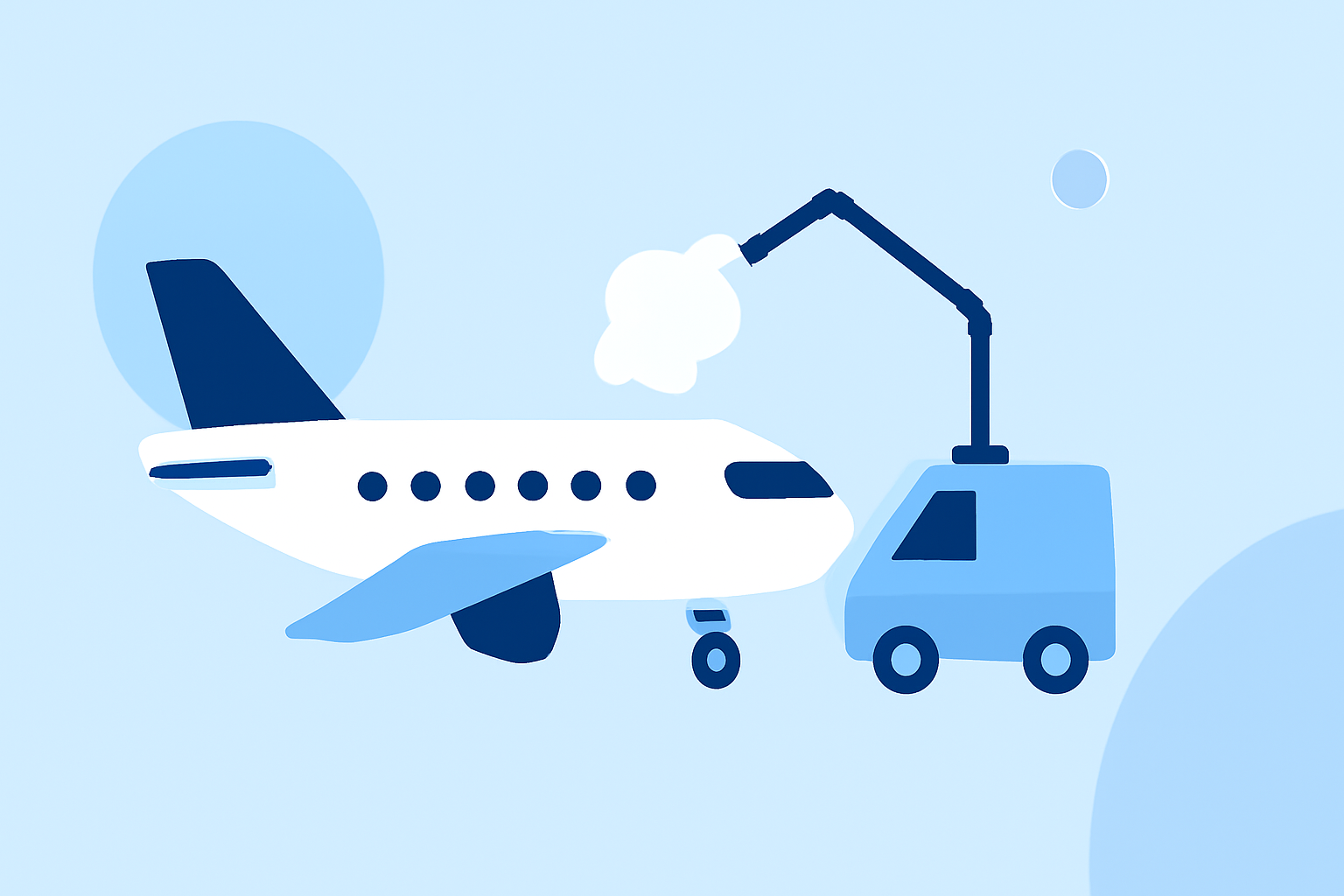
De-icing is a critical procedure in aviation, especially during winter months when frost, ice, or snow can accumulate on aircraft surfaces. This accumulation can adversely affect flight performance and safety. Understanding de-icing procedures and how to manage departure delays is essential for passengers and crew alike.
What Are De-Icing Procedures?
De-icing involves removing ice, snow, or frost from an aircraft's critical surfaces, such as wings, tail, and control surfaces, to ensure optimal performance. Anti-icing, on the other hand, involves applying a protective layer to prevent further accumulation during flight. These procedures are vital for maintaining lift, control, and overall safety.
Regulatory Guidelines for De-Icing
The Federal Aviation Administration (FAA) has established regulations to ensure safe operations in icing conditions. According to 14 CFR § 91.527, pilots are prohibited from taking off if frost, ice, or snow is adhering to critical surfaces unless the aircraft is equipped with functioning de-icing or anti-icing equipment. Additionally, 14 CFR § 121.629 states that no person may dispatch or release an aircraft when icing conditions are expected or met that might adversely affect the safety of the flight. (law.cornell.edu)
De-Icing Procedures at Airports
Airports implement de-icing procedures to ensure aircraft are free from ice and snow before departure. This process typically involves the use of specialized vehicles equipped with de-icing fluids, such as propylene glycol or ethylene glycol-based solutions, which are sprayed onto the aircraft to remove contaminants. The timing and type of de-icing fluid used depend on the specific weather conditions and the aircraft's needs.
Impact of De-Icing on Departure Delays
De-icing procedures can lead to departure delays, especially during severe winter weather. The time required for de-icing depends on factors such as the extent of ice accumulation, the type of de-icing equipment used, and the number of aircraft requiring de-icing. Airports may prioritize de-icing based on flight schedules and aircraft types to minimize delays.
Managing Departure Delays Due to De-Icing
Passengers can take several steps to manage departure delays caused by de-icing:
-
Stay Informed: Regularly check your flight status for updates on departure times and gate information.
-
Use Flight Tracking Apps: Utilize flight tracking applications to receive real-time updates on your flight's status. For instance, Planes Live offers detailed flight schedules with real-time departure and arrival information, terminal and gate updates, and notifications about flight delays or other changes. (play.google.com)
-
Plan Accordingly: Allow extra time for potential delays when scheduling connecting flights or ground transportation.
-
Contact the Airline: If you have concerns or need assistance, reach out to your airline's customer service for guidance.
Conclusion
De-icing is a vital procedure to ensure the safety and performance of aircraft during winter conditions. While it can lead to departure delays, staying informed and utilizing available resources can help passengers manage these delays effectively. Tools like Planes Live can provide valuable assistance in tracking flight statuses and making informed travel decisions.
Highlights:
- Google Wallet's latest update is all about easing your flight anxiety, Published on Wednesday, April 22