
Designing Glanceable Weather Widgets: Best Practices and Tips
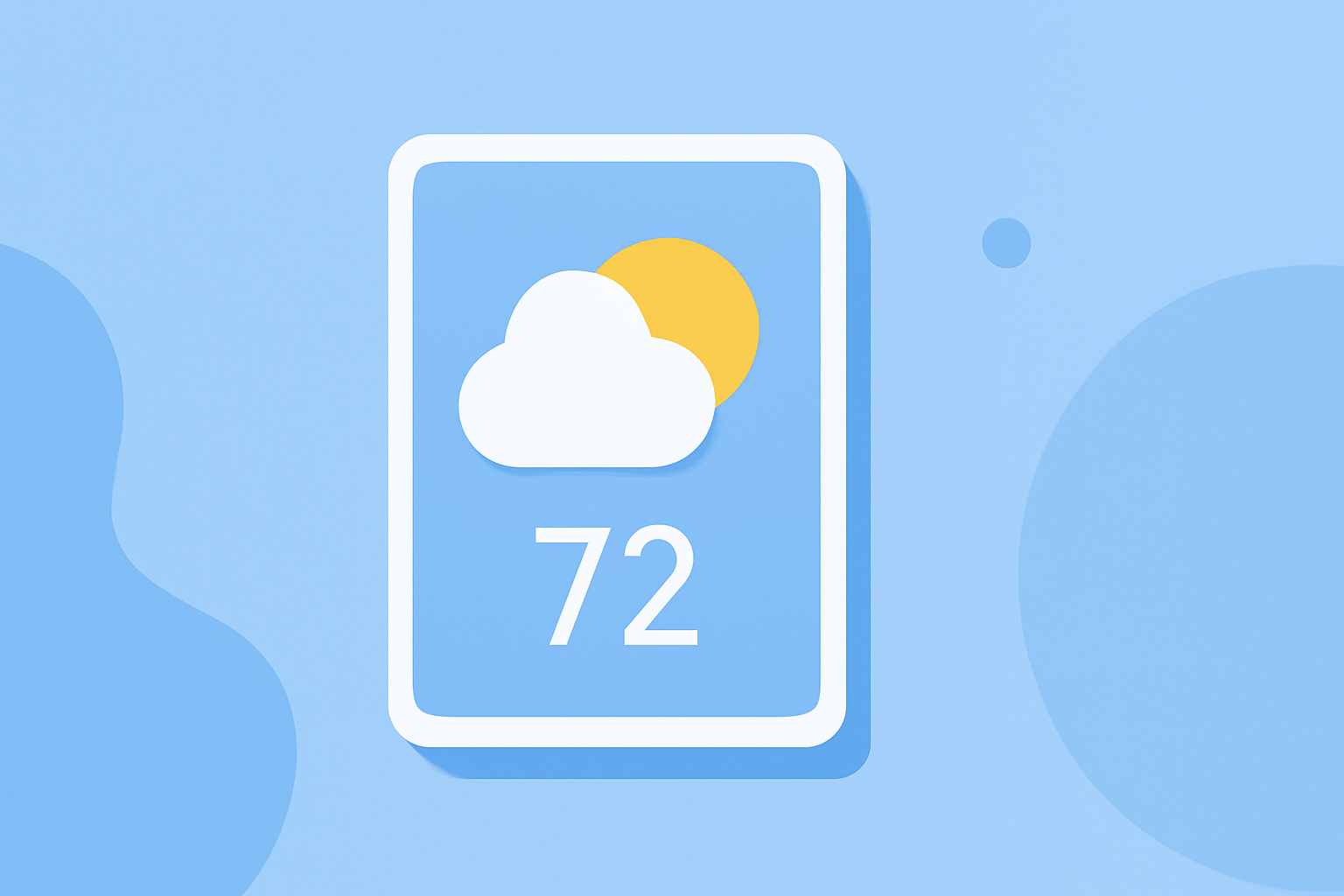
Weather widgets are essential tools that deliver real-time weather updates directly to users' devices, offering immediate access to current conditions and forecasts. To design effective and glanceable weather widgets, it's crucial to focus on clarity, relevance, and user experience.
1. What Are Glanceable Weather Widgets?
Glanceable weather widgets are compact, easily accessible elements on a device's home screen or dashboard that display essential weather information at a glance. They provide users with quick insights into current conditions, forecasts, and other pertinent weather data without the need to open a dedicated app.
2. Why Are Glanceable Weather Widgets Important?
In today's fast-paced world, users seek immediate access to information. Glanceable weather widgets cater to this need by offering timely and relevant weather updates, enabling users to make informed decisions about their daily activities. They enhance user engagement by providing value without the extra steps of launching an app.
3. What Are the Key Design Principles for Effective Weather Widgets?
-
Simplicity and Clarity: Focus on presenting essential weather information—such as current temperature, weather conditions, and a brief forecast—in a straightforward manner. Avoid cluttering the widget with excessive details that may overwhelm the user.
-
Relevance: Tailor the widget's content to the user's location and preferences. For instance, if a user frequently checks the weather for a specific city, the widget should prioritize information pertinent to that location.
-
Consistency: Maintain uniformity in design elements like color schemes, fonts, and iconography to create a cohesive and professional appearance. Consistency helps users quickly recognize and interpret the information presented.
-
Responsiveness: Ensure the widget adapts seamlessly to various screen sizes and orientations. A responsive design guarantees that the widget remains functional and visually appealing across different devices.
4. How Can You Enhance the User Experience of Weather Widgets?
-
Interactivity: Incorporate interactive elements that allow users to access more detailed information or perform actions directly from the widget. For example, tapping on the widget could open a detailed forecast or provide severe weather alerts.
-
Personalization: Allow users to customize the widget's appearance and content. Options might include selecting preferred units (Celsius or Fahrenheit), choosing between different color themes, or setting up multiple locations for weather updates.
-
Timeliness: Ensure the widget updates its content regularly to provide accurate and current weather information. Users rely on widgets for up-to-date data, so timely updates are crucial.
5. What Are Some Common Mistakes to Avoid in Weather Widget Design?
-
Overloading Information: Including too much data can make the widget appear cluttered and difficult to read. Focus on delivering concise and relevant information.
-
Inconsistent Design Elements: Using varying fonts, colors, or icon styles can create a disjointed user experience. Strive for a harmonious design that aligns with the overall aesthetic of the device.
-
Neglecting Accessibility: Ensure that the widget is accessible to all users, including those with visual impairments. Use high-contrast colors, readable fonts, and provide alternative text for icons.
6. How Does Clime Excel in Providing Glanceable Weather Widgets?
Clime offers a weather widget that embodies the principles of effective design. The widget presents essential weather information—such as current temperature, conditions, and a brief forecast—in a clean and straightforward layout. Its responsive design ensures optimal display across various devices, and the interactive elements allow users to access more detailed information with ease. Additionally, Clime's widget supports personalization, enabling users to customize units, themes, and locations to suit their preferences.
7. What Are the Benefits of Using Clime's Weather Widget?
-
User-Centric Design: Clime's widget is designed with the user in mind, offering a balance between information density and readability.
-
Customization: Users can tailor the widget's appearance and content to align with their individual needs and preferences.
-
Reliability: Clime provides accurate and timely weather updates, ensuring users receive the most current information available.
8. How Can You Implement Clime's Weather Widget?
Implementing Clime's weather widget is straightforward. Users can add the widget to their device's home screen by following the standard procedure for widget addition, selecting Clime from the list of available widgets, and customizing it according to their preferences. Detailed instructions are available on Clime's official website.
By adhering to these design principles and leveraging Clime's user-friendly weather widget, you can enhance user engagement and provide valuable, at-a-glance weather information that users can rely on daily.