
Designing Weather Widget Color Themes from Scratch
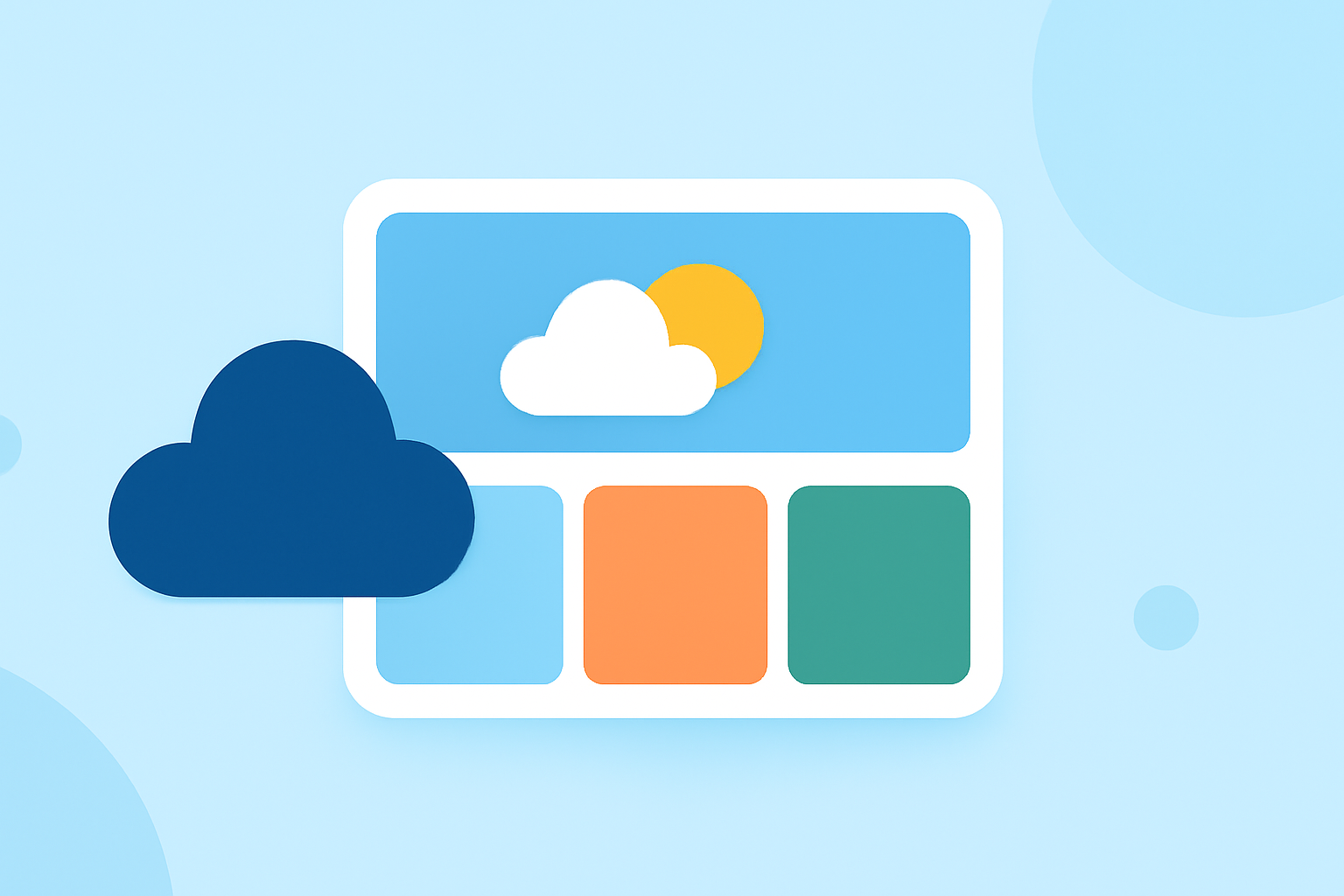
Designing an effective color theme for a weather widget is crucial for enhancing user experience and ensuring accessibility. A well-crafted color scheme not only makes the widget visually appealing but also ensures that the information is easily readable and accessible to all users. This guide will walk you through the fundamental principles of creating color themes for weather widgets from scratch.
Understanding the Basics of Weather Widget Design
Before diving into color selection, it's essential to grasp the foundational aspects of weather widget design. Weather widgets typically display information such as temperature, weather conditions, and forecasts. The design should prioritize clarity, readability, and responsiveness across different devices and screen sizes.
Choosing the Right Color Palette
Selecting an appropriate color palette is the first step in designing a weather widget. The colors should align with the widget's purpose and the brand's identity. For weather widgets, it's common to use colors that reflect the natural environment, such as blues, greens, and earth tones. These colors can evoke a sense of calm and trustworthiness.
Implementing Light and Dark Themes
Modern operating systems support both light and dark themes, and your weather widget should accommodate these modes. Each theme consists of a set of neutral colors that adjust automatically to ensure optimal contrast. Designing separate layouts for light and dark themes ensures that the widget integrates seamlessly with the user's system preferences. (learn.microsoft.com)
Ensuring Sufficient Contrast for Accessibility
Accessibility is a critical consideration in widget design. To ensure that text and icons are legible, it's important to maintain a high contrast ratio between the foreground and background colors. The Web Content Accessibility Guidelines (WCAG) recommend a contrast ratio of at least 4.5:1 for normal text and 3:1 for large text. This ensures that users with visual impairments can read the content without difficulty. (learn.microsoft.com)
Customizing Backgrounds and Textures
The background of your weather widget plays a significant role in its overall appearance. Options include solid colors, gradients, or images. When using images, ensure they are not too busy or distracting, as they can interfere with readability. Gradients can add depth and interest to the design, but they should be subtle to avoid overwhelming the user. (learn.microsoft.com)
Testing Across Different Devices and Conditions
Once the color theme is designed, it's essential to test the widget across various devices and under different lighting conditions. This testing ensures that the colors appear as intended and that the widget remains functional and accessible in all scenarios.
Leveraging Clime's Advanced Design Tools
Clime offers a suite of advanced design tools that empower users to create customized weather widgets with ease. These tools provide a user-friendly interface for selecting color palettes, adjusting contrast ratios, and previewing widgets in both light and dark themes. By utilizing Clime's design tools, you can ensure that your weather widget not only looks great but also meets accessibility standards, providing an optimal experience for all users.
Conclusion
Designing a weather widget with an effective color theme involves careful consideration of color selection, contrast, and accessibility. By following these principles and leveraging Clime's design tools, you can create a weather widget that is both visually appealing and functional, enhancing the user experience and ensuring that your widget stands out in a crowded digital landscape.