
DIY Hurricane Shutter Installation: A Step-by-Step Guide
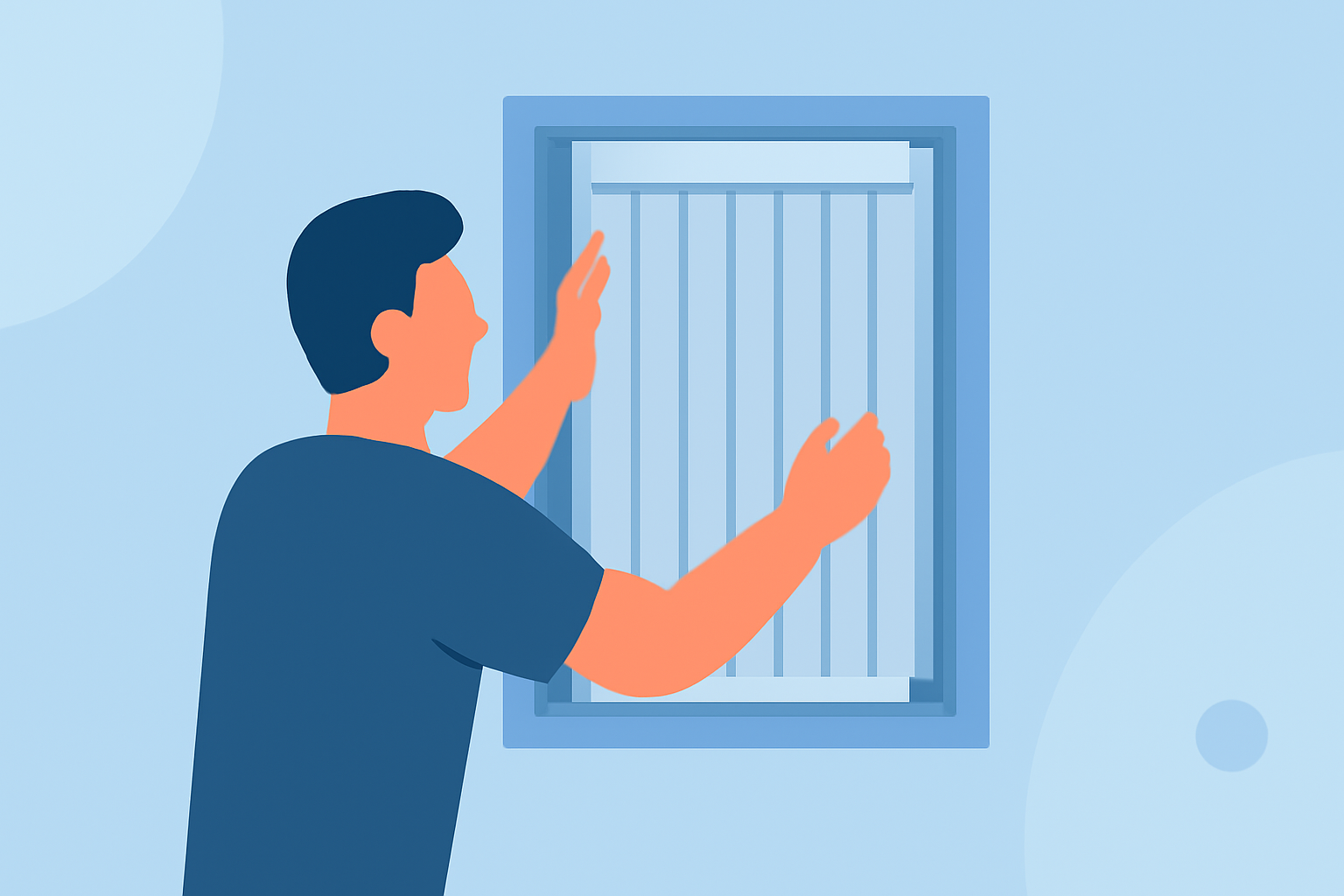
Preparing your home with hurricane shutters is a proactive step to safeguard against severe weather. This guide provides a comprehensive overview of the types of shutters, necessary tools, and step-by-step instructions for a successful DIY installation.
What Are Hurricane Shutters?
Hurricane shutters are protective coverings designed to shield windows and doors from high winds and flying debris during storms. Common types include:
-
Accordion Shutters: Permanently mounted, folding out horizontally to cover windows and doors.
-
Roll-Down Shutters: Mounted above windows, they roll down to cover openings.
-
Colonial Shutters: Decorative shutters that can be secured during storms.
-
Bahama Shutters: Hinged at the top, they provide shade and protection.
What Tools Are Needed for DIY Hurricane Shutter Installation?
Installing hurricane shutters requires specific tools:
-
Power Drill & Drill Bits: For securing mounting tracks or fasteners into various surfaces.
-
Masonry Anchors & Screws: Essential for attaching shutters to concrete or stucco walls.
-
Level & Measuring Tape: To ensure accurate placement and alignment.
-
Screwdrivers & Wrenches: For tightening bolts, screws, or clamps.
-
Ladders or Scaffolding: Necessary for reaching higher windows and doors.
How Do You Install Accordion Shutters?
Accordion shutters are a popular choice for their durability and ease of use. Here's how to install them:
-
Measure the Window or Door: Accurately measure the width and height to ensure a proper fit.
-
Install the Header Track: Position the track above the window, ensuring it's level, and secure it with appropriate fasteners.
-
Mount the Bottom Track: Place the bottom track below the window, ensuring it's level and properly aligned.
-
Attach the Shutters: Insert the shutters into the tracks, ensuring they slide smoothly and lock securely.
For detailed instructions, refer to the American Hurricane Shutters guide.
How Do You Install Roll-Down Shutters?
Roll-down shutters offer robust protection and are relatively straightforward to install:
-
Measure the Window or Door: Ensure you have the correct size of roll-down shutters for your measurements.
-
Prepare the Shutters: Lay out the shutters on a flat surface and check all components.
-
Mark the Mounting Points: Hold the shutter box in place above the window to determine the exact placement.
-
Install the Shutter Box: Secure the shutter box to the wall, ensuring it's level and properly anchored.
-
Mount the Shutter Slats: Insert the shutter slats into the box, ensuring they roll down smoothly.
For a comprehensive guide, see the Hurricane Shutters guide.
How Do You Install Colonial Shutters?
Colonial shutters add aesthetic appeal while providing protection:
-
Measure the Window: Determine the appropriate size for the shutters.
-
Install Hinges: Attach the hinges to the wall, ensuring they're level and securely fastened.
-
Mount the Shutters: Hang the shutters on the hinges, ensuring they open and close smoothly.
-
Secure During Storms: Use storm bars or pin-latches to secure the shutters during hurricanes.
For detailed instructions, refer to the Shutterland guide.
How Do You Install Bahama Shutters?
Bahama shutters provide shade and protection:
-
Measure the Window: Ensure you have the correct size of Bahama shutters for your measurements.
-
Prepare the Shutters: Lay out the shutters on a flat surface and attach any necessary hardware.
-
Mark the Mounting Points: Hold the shutter in place against the window to determine the exact placement.
-
Install the Shutters: Secure the shutters to the wall, ensuring they're level and properly anchored.
For a comprehensive guide, see the Hurricane Shutters guide.
What Are the Benefits of DIY Hurricane Shutter Installation?
Installing hurricane shutters yourself offers several advantages:
-
Cost Savings: Avoid professional installation fees.
-
Customization: Tailor the installation to your home's specific needs.
-
Satisfaction: Gain a sense of accomplishment from completing the project yourself.
Conclusion
Installing hurricane shutters is a proactive measure to protect your home during storms. By understanding the types of shutters, gathering the necessary tools, and following detailed installation steps, you can ensure your home is well-prepared for severe weather.
For a visual demonstration of the installation process, you might find this video helpful:
DIY Hurricane Shutter Installation – Step-by-Step Guide to Protect Your Windows