
Essential Guide to Dog Raincoats: Protecting Your Pet in Wet Weather
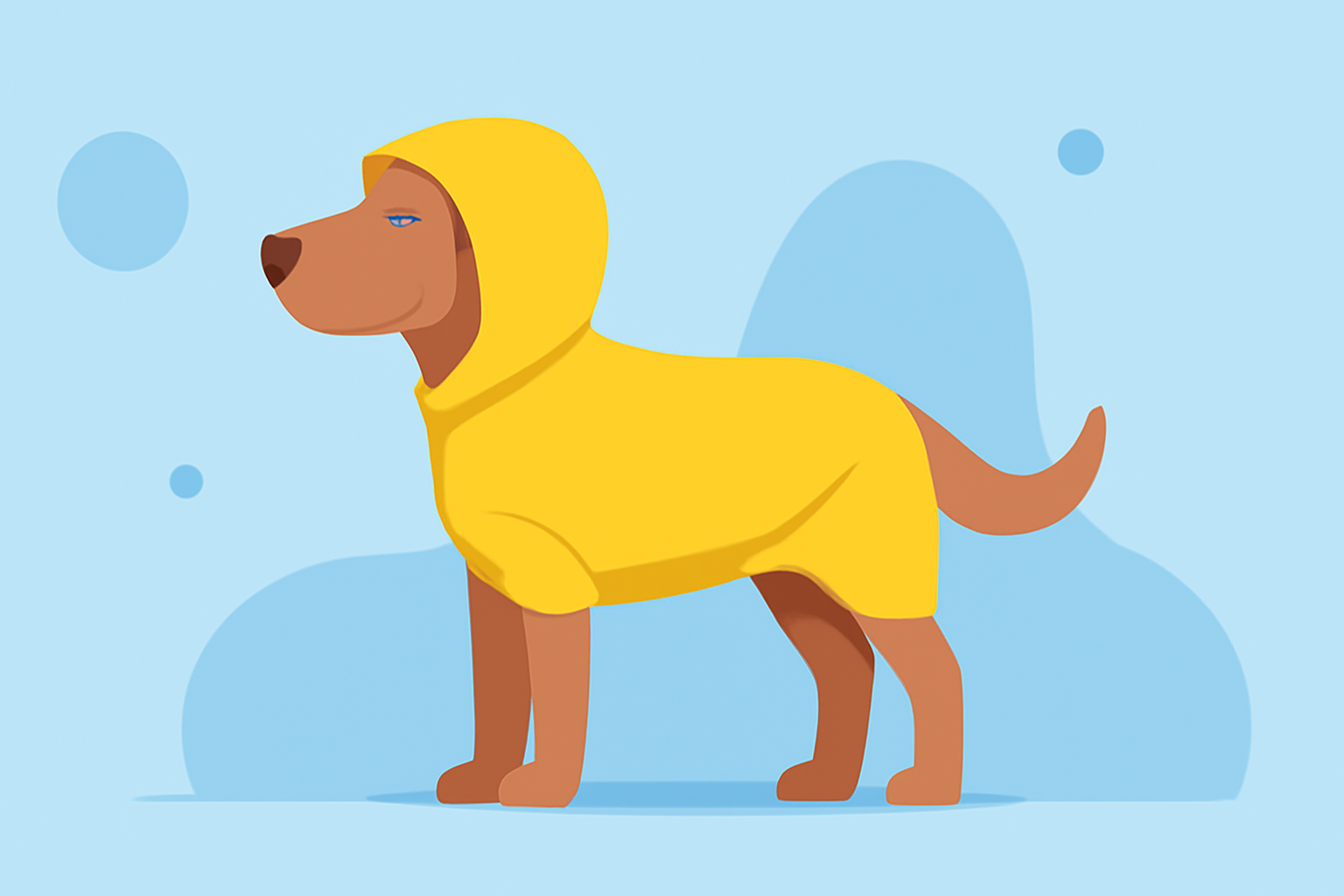
As a pet owner, ensuring your dog's comfort and health during inclement weather is paramount. Dog raincoats serve as a protective barrier against rain, keeping your pet dry and comfortable.
Why Should Your Dog Wear a Raincoat?
Exposure to wet conditions can lead to various health issues in dogs, such as respiratory complications and skin infections. A well-fitted raincoat helps mitigate these risks by keeping your dog dry and warm. Additionally, raincoats can reduce the amount of time spent drying and grooming your dog after walks, making rainy days more manageable for both of you. (akc.org)
Key Features to Consider When Choosing a Dog Raincoat
-
Material: Opt for raincoats made from water-resistant fabrics like polyester or duck canvas. These materials effectively repel water and dry quickly, ensuring your dog remains dry and comfortable. (akc.org)
-
Insulation: For added warmth, especially in cooler climates, choose raincoats lined with insulating materials such as fleece or nylon. This provides extra protection against the cold. (akc.org)
-
Design: Features like adjustable Velcro straps or plastic buckles can offer a secure and comfortable fit. Some raincoats also come with detachable hoods to protect your dog's ears from rain. (akc.org)
How to Ensure a Proper Fit
A raincoat that fits well is crucial for your dog's comfort and effectiveness. To determine the right size:
-
Measure Your Dog: Use a soft measuring tape to assess the circumference of your dog's neck, chest, and stomach. Also, measure the length from the neck to the base of the tail. (akc.org)
-
Check the Fit: After putting the raincoat on your dog, perform the two-finger slide test. If you can slide two fingers under the straps, the fit is appropriate. If not, the coat may be too tight. (akc.org)
Acclimating Your Dog to Wearing a Raincoat
Introducing a raincoat to your dog may require patience and positive reinforcement:
-
Introduce the Raincoat: Allow your dog to sniff and explore the raincoat in a familiar environment.
-
Gradual Introduction: Start by having your dog wear the raincoat for short periods indoors, gradually increasing the duration as they become more comfortable.
-
Positive Reinforcement: Use treats and praise to reward your dog for wearing the raincoat, creating a positive association. (akc.org)
Maintaining Your Dog's Raincoat
Regular maintenance ensures the raincoat remains effective:
-
Cleaning: Follow the manufacturer's instructions for washing. Many raincoats are machine-washable, but some may require hand washing or air drying. (akc.org)
-
Storage: Store the raincoat in a dry place to prevent mold and mildew growth.
Additional Rainy-Day Gear for Dogs
Beyond raincoats, consider other accessories to keep your dog comfortable during wet weather:
-
Rain Boots: Protect your dog's paws from mud, slush, and cold surfaces. (akc.org)
-
Rain Caps: Shield your dog's ears from rain, reducing the risk of ear infections. (akc.org)
-
Quick-Dry Towels: Ideal for drying off your dog after walks, helping to prevent skin issues. (akc.org)
By selecting the right raincoat and accompanying gear, you can ensure your dog stays dry, comfortable, and healthy during rainy days.