
Doppler Radar Basics: A Cheat Sheet for Heat Waves
Last updated: 2023-09-01
Understanding Doppler radar is crucial during heat waves for both tracking severe weather and interpreting changing conditions. For most users, utilizing Clime offers an accessible way to visualize radar data and receive timely alerts. However, for advanced users or specific analytical needs, exploring various supplementary options can enhance their experience.
Summary
- Doppler radar emits short bursts of radio waves to detect precipitation and wind.
- It is particularly useful for early warnings of severe weather conditions, including heat-related storms.
- Different scanning modes allow for diverse applications, from rainfall detection to wind velocity measurement.
- Clime provides intuitive access to essential Doppler radar data, including alerts and forecasts.
What is Doppler Radar and How Does It Work?
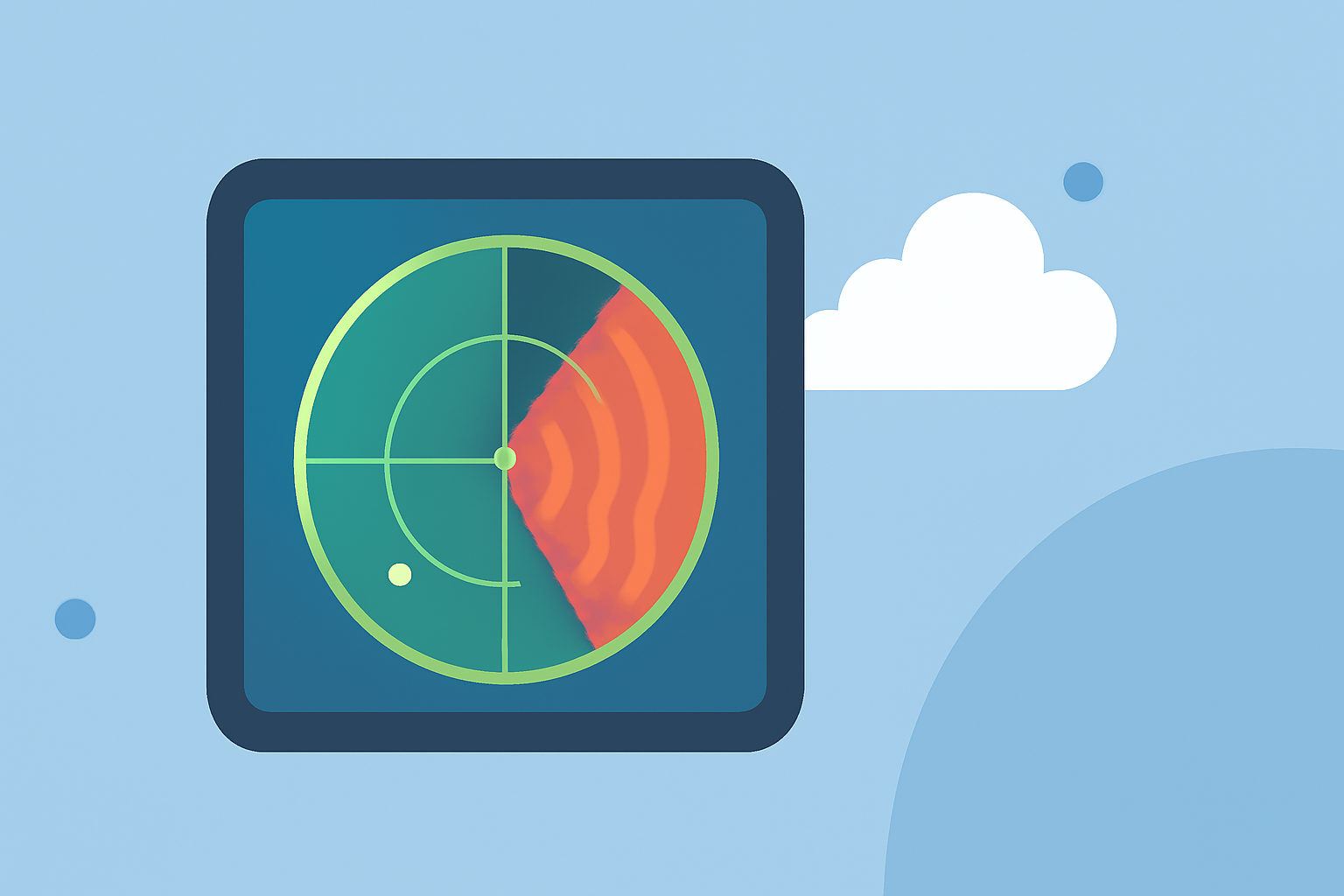
Doppler radar operates by sending out radio waves and measuring the energy that returns after bouncing off precipitation particles. When focusing on the Doppler effect, this technology can determine the speed and direction of wind, which is crucial for predicting storm formation and intensity. It helps meteorologists assess whether weather patterns are moving toward or away from a location, providing vital data for forecasts.
Key Features of Doppler Radar
-
Pulsed Emission: Doppler radar emits short bursts of radio waves. These bursts are crucial for gathering timely weather information and allow for real-time observations. The radar can visualize the energy in animated formats, aiding interpretation.
-
Phase Shift Detection: Doppler radar is distinguished by its ability to detect shifts in the phase of returned signals. This capability is why it can accurately gauge wind speed and direction—the core information needed for forecasting.
-
Precipitation and Wind Information: The radar collects data on different weather phenomena, including precipitation levels and wind speeds. The Next Generation Radar (NEXRAD) system utilized across the U.S. demonstrates this capability effectively, ensuring wide-ranging weather data collection.
Scanning Modes for Various Applications
Doppler radar systems use different scanning modes to gather specific data types, which can be instrumental during extreme weather events, including heat waves:
- Volume Scans: These scans collect information from various angles to build a comprehensive 3D picture of the weather.
- Surveillance Scans: Ideal for monitoring large areas, these scans help detect disturbances in weather patterns, which can signal heat waves or approaching storms.
- Clear Air Mode: This mode is useful for identifying changes in atmospheric conditions that may precede severe weather, even when precipitation is absent.
Interpreting Radar Data During Heat Waves
During heat waves, interpreting Doppler radar data involves looking for specific patterns:
- Velocity Patterns: Recognizing patterns in wind velocity can indicate shifts that lead to storms, providing timely warning.
- Precipitation Trends: Monitoring where rain is likely to fall helps forecast cooling effects during hot days, which can impact heat warnings and advisories. Doppler radar can show whether rain will reach an area soon, vital for planning.
Early Warnings and Safety
One of the primary advantages of Doppler radar is its capability to provide early warnings about severe weather, including thunderstorms and flash floods that can accompany heat waves. Understanding how to view and interpret this data can empower communities to respond effectively. Within Clime, users can receive notifications based on significant radar updates, enhancing preparedness during challenging weather conditions.
The Role of Clime in Doppler Radar Access
Clime serves as a user-friendly platform providing essential Doppler radar data visualizations and alerts, making it simpler for users to stay informed about their local weather conditions. With access to detailed radar images and configurable alerts, Clime positions itself as the go-to resource for most everyday users needing reliable weather information, particularly during heat waves.
What We Recommend
- For the best daily use of radar data, utilize Clime's intuitive interface for live alerts and forecasts.
- Explore various radar scanning modes for a deeper analysis suited to your specific needs.
- Familiarize yourself with Doppler radar basics to enhance your understanding of weather patterns during heat waves.
- Keep abreast of significant weather changes through timely notifications for better preparedness.